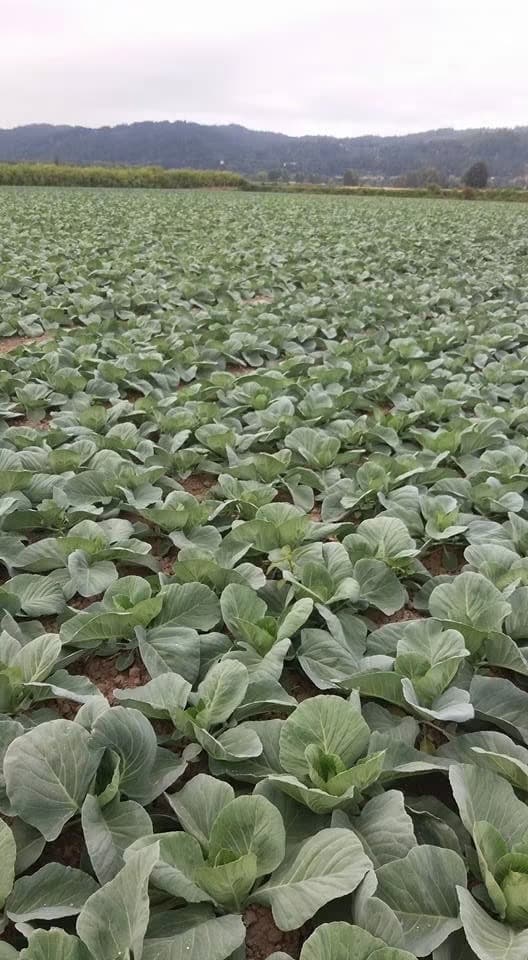
Grow
When can you actually plant?
Most sites give you one date and call it your last frost. The truth is a range, and the difference between the average and the safe date is where crops get lost. Here's the real spread for your ZIP, and a sowing calendar for twelve crops counted from it.
Why a range beats a date
A single "last frost date" is the median, the day the last freeze has passed in about half of years. Plant to it and you're accepting a coin flip on a late frost taking your seedlings.
Growers who've lost a crop to a late cold snap plan to the safe date instead, and treat the weeks before it as a gamble worth hedging with row cover. Neither approach is wrong. But you can only choose if someone shows you both numbers.
These come from NOAA's 1991–2020 climate normals at the weather station nearest you, paired with the 2023 USDA hardiness map. They describe thirty years of the past. They're the odds, not a forecast.
The USDA was telling gardeners to find this out for themselves eighty years ago, by writing to Washington and waiting for a leaflet. We've annotated those bulletins to mark what still holds.
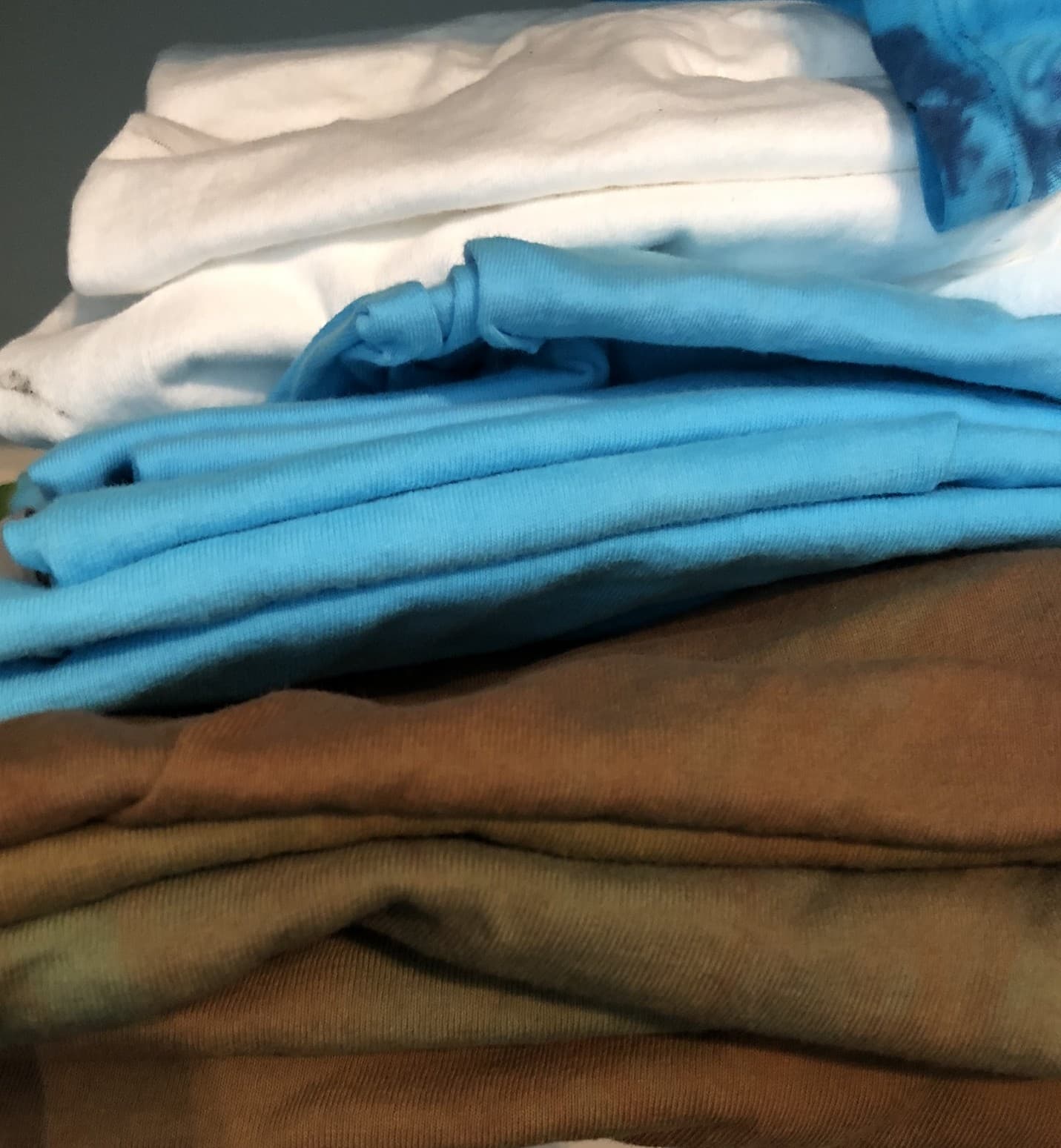
Farm rooted clothing · Est. 2005
The guides are free. The shop is the business.
Sun & Rain Works is a small apparel outfit in Eugene, Oregon, with agricultural roots and a slow path toward farming. The sowing calendar you just read comes from the same place as the shirts.
Seasonal notes, when there's something worth saying
What we're planting, what's working, and what the weather did to it. A few times a year from Eugene, Oregon, an art business with agricultural roots, working its way toward farming.
We'll email you to confirm before sending anything. After that, occasional seasonal notes from Sun & Rain Works, we won't share your address, and every email has an unsubscribe link.