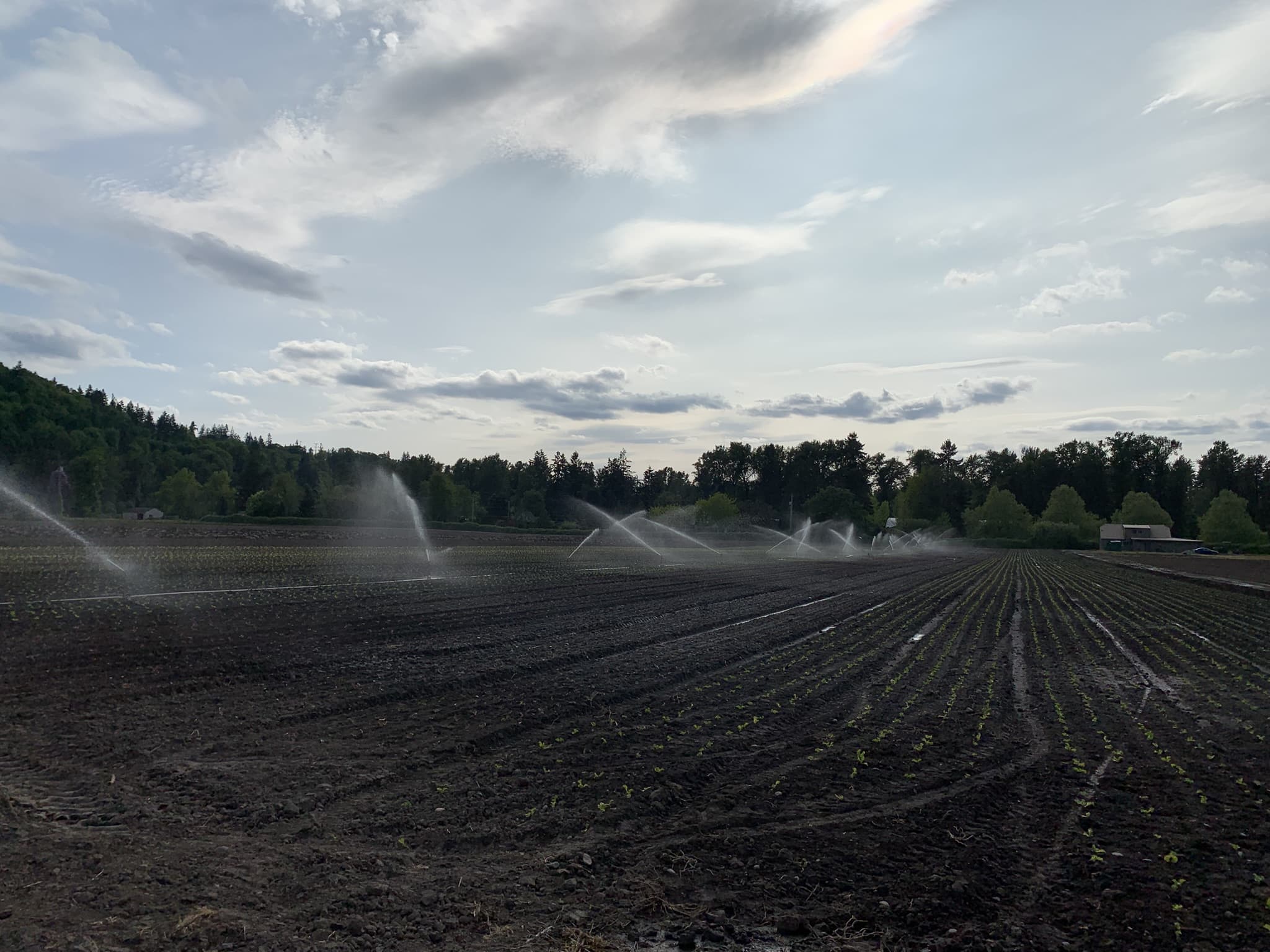
Growing guides
How to grow it, counted from your own frost dates
Every other guide prints a month for an unnamed climate. These give you dates from the NOAA station nearest you, spacing quoted from books nobody else is reading, and troubleshooting indexed by what you can actually see.
24 crops, written up properly
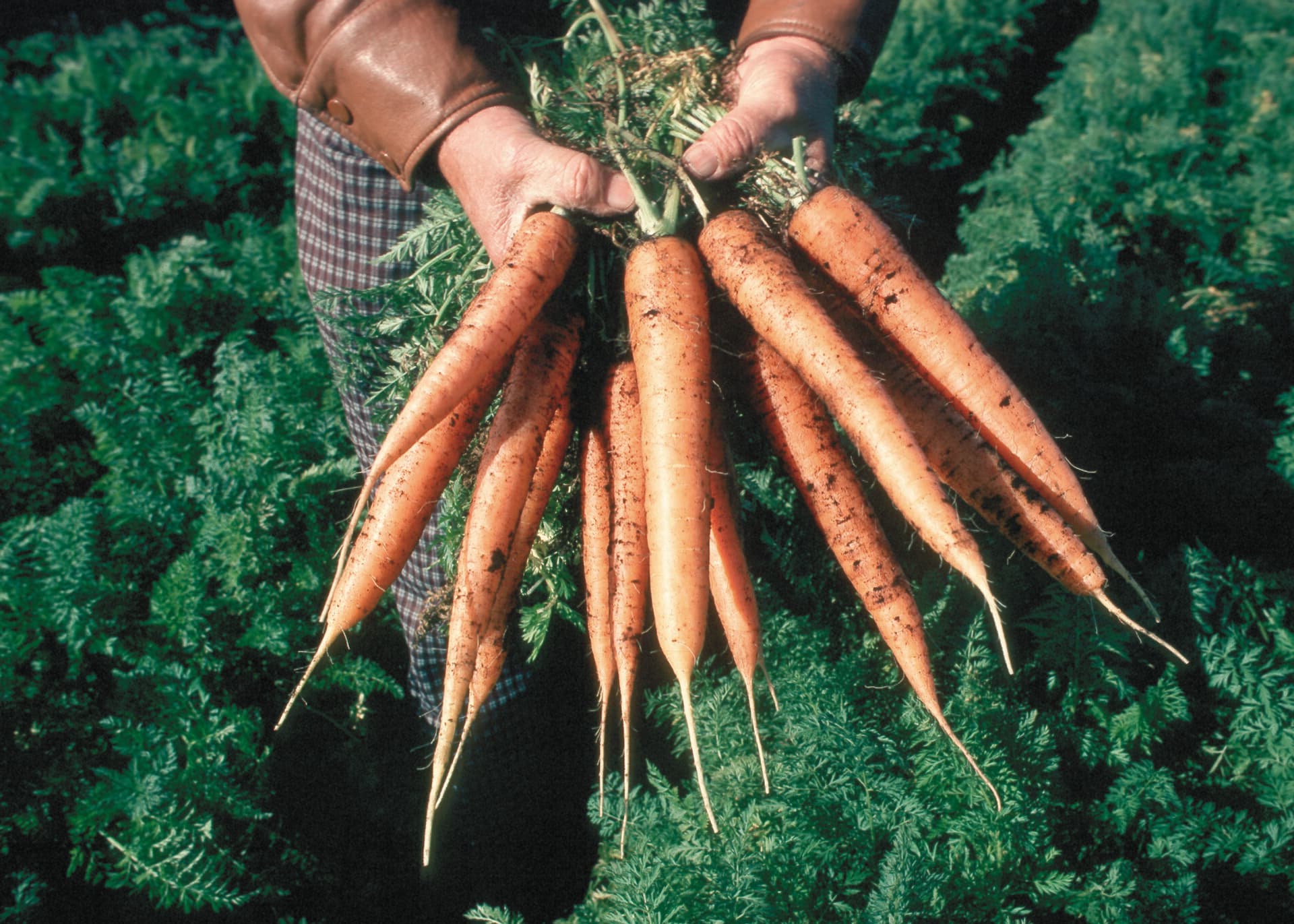
How to grow carrots
moderate · 8 things that go wrong
Carrots are called an easy crop by people who have not grown them. Nearly everything that decides the harvest happens underground before there is anything to look at, which is why the failures are so consistent and so fixable.
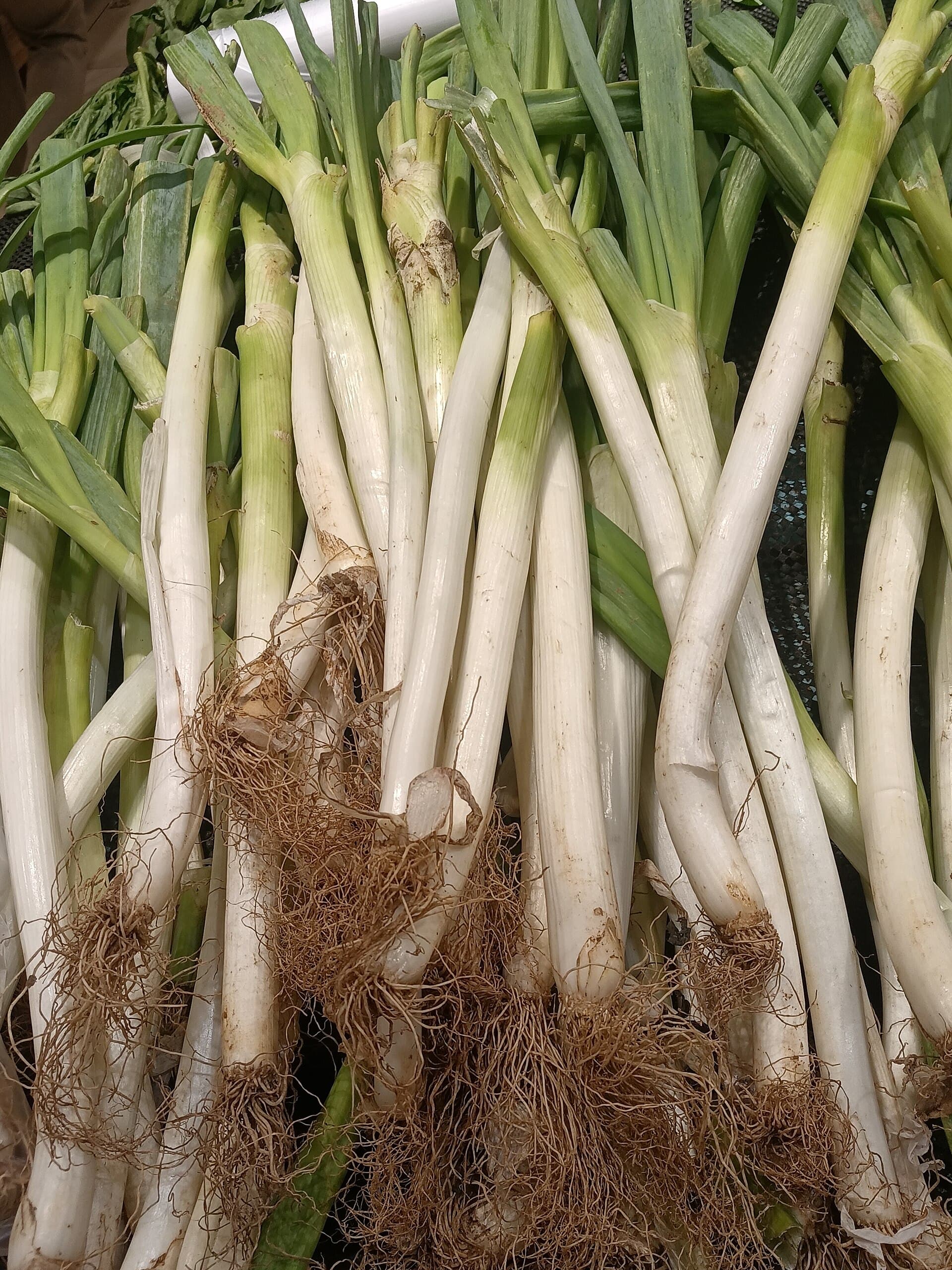
How to grow green onions
easy · 7 things that go wrong
The most forgiving thing in the vegetable garden, and the only crop where you cannot really be late. There is no head to form, no root to size and nothing to ripen, you simply pull them when you want them.
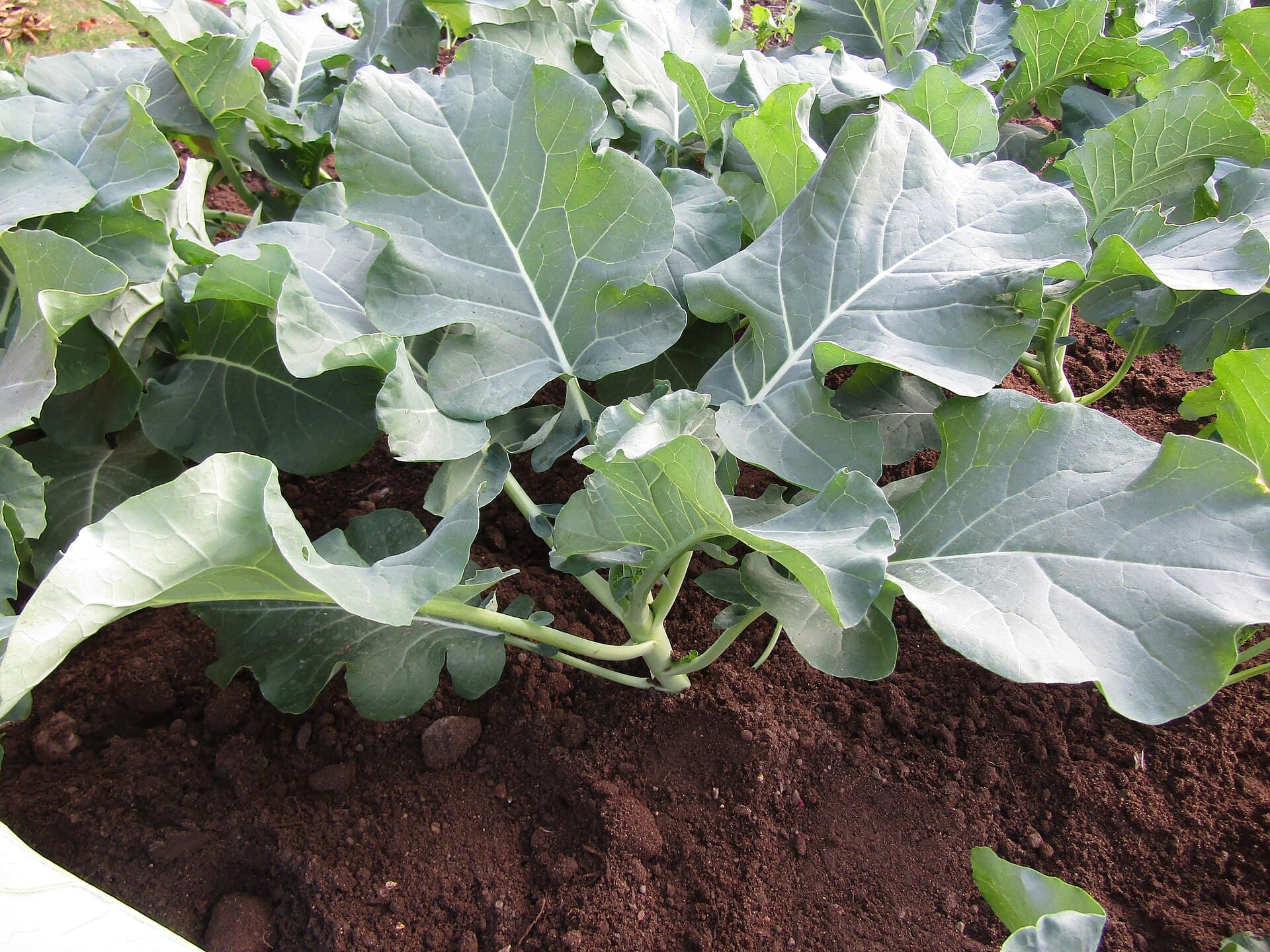
How to grow broccoli
moderate · 8 things that go wrong
A cool-weather crop that most people plant into the wrong season. Get the timing right and it is generous for months; get it wrong and you get a head the size of a coin and nothing else.
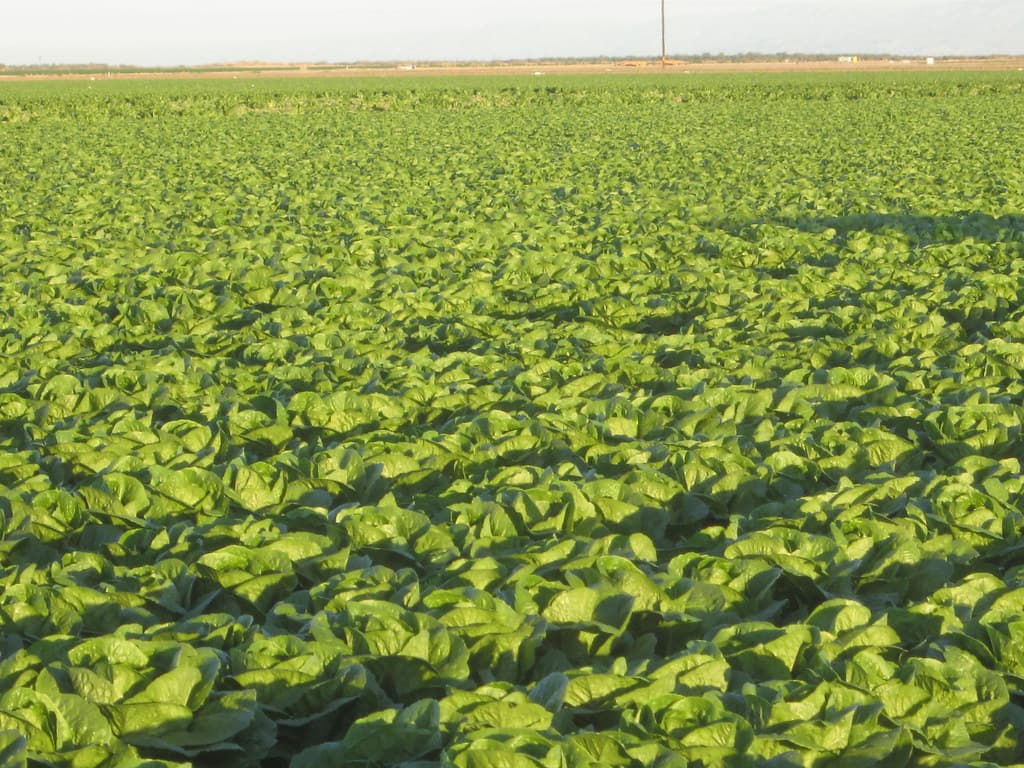
How to grow lettuce
easy · 7 things that go wrong
The fastest crop in the garden and the one most often wasted. Nearly every lettuce failure is the same failure, one long row sown once, all of it ready in the same week, and bitter by the next.
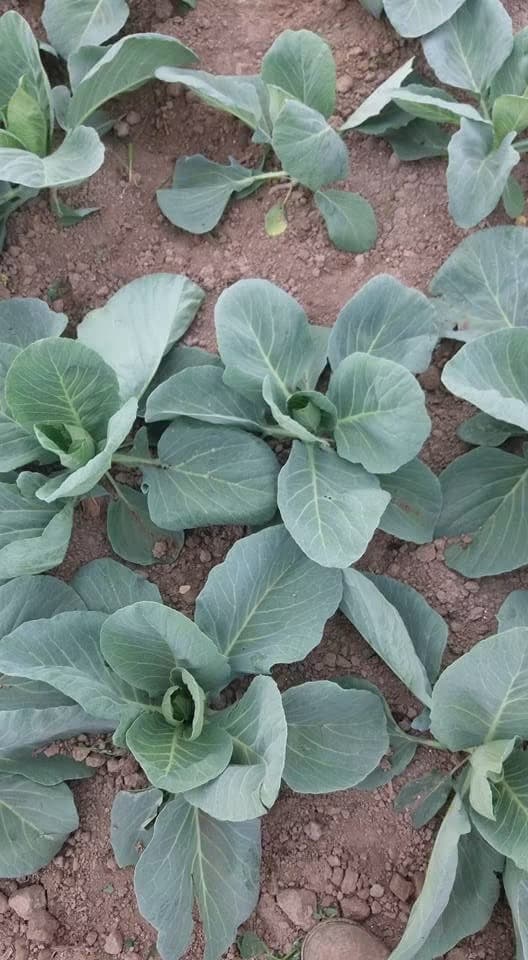
How to grow cabbage
moderate · 8 things that go wrong
One of the oldest cultivated vegetables and one of the most forgiving, provided you get three things right: room, firm ground, and a rotation you actually stick to.
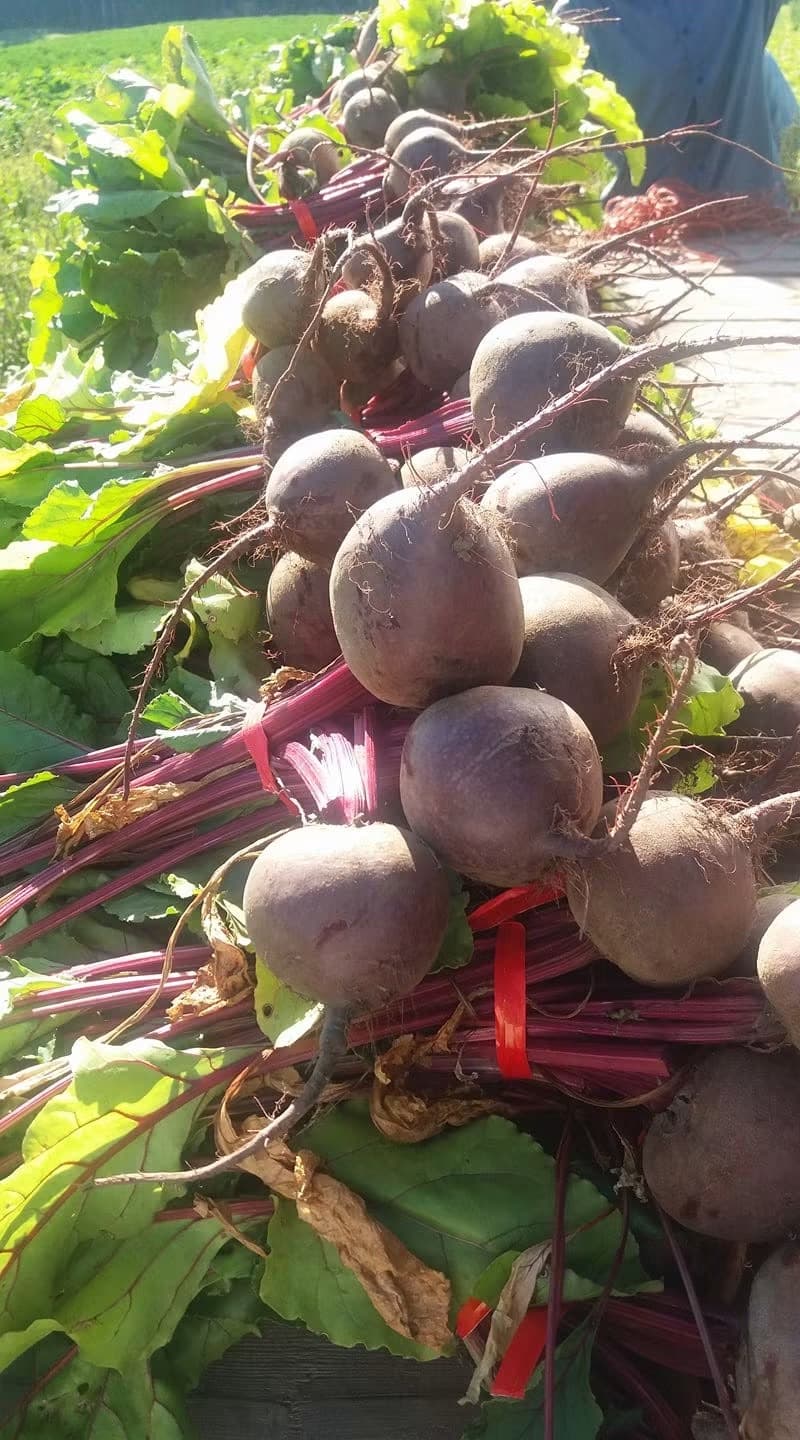
How to grow beets
easy · 7 things that go wrong
Two crops from one plant, and the greens are as good as the roots. The only step that really matters is the one most people skip, and the plant makes it unavoidable by design.
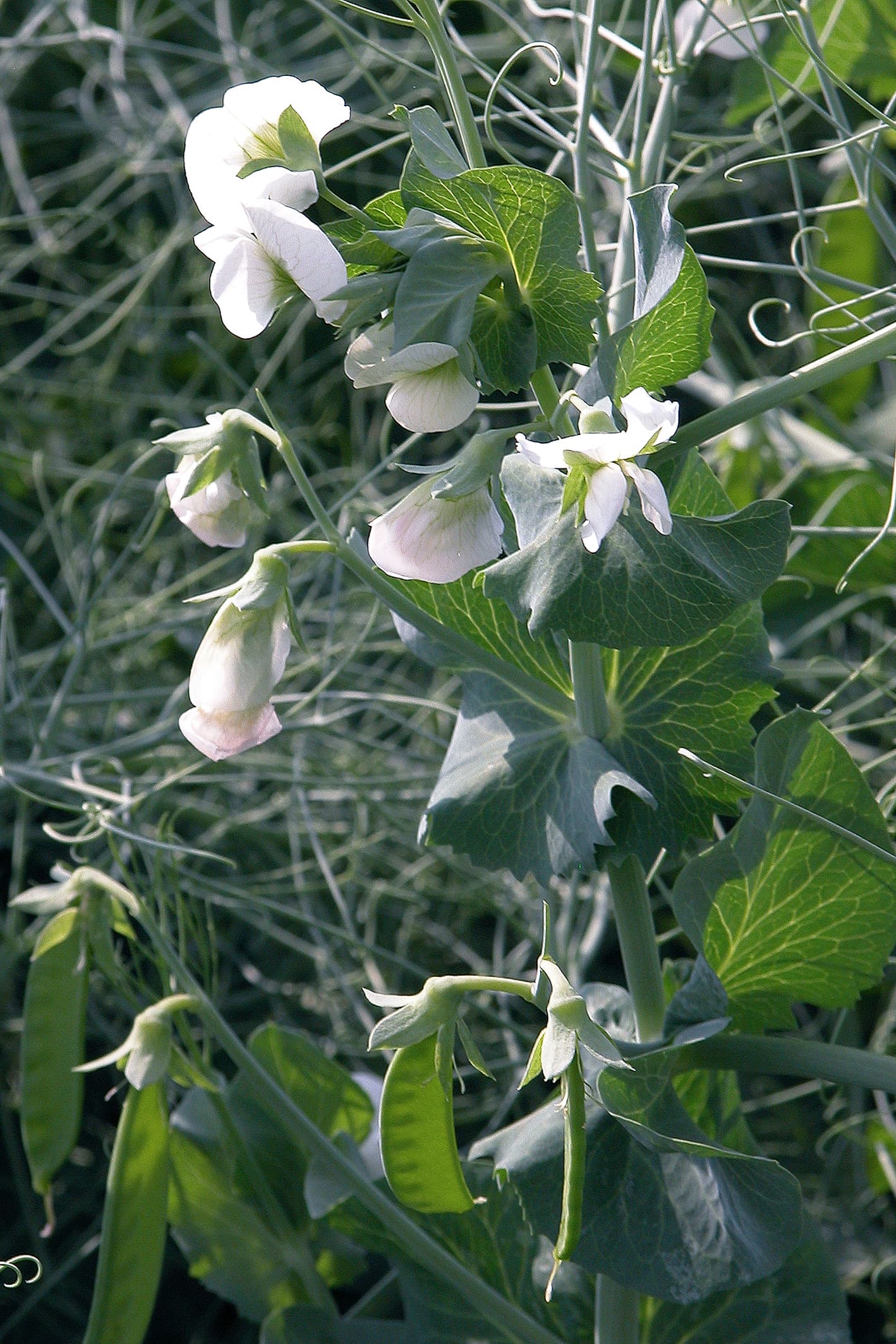
How to grow peas
easy · 7 things that go wrong
The first thing sown and the first thing eaten. Peas want the cold, wet end of spring that every other crop resents, which is exactly why they are the crop to start a maritime Northwest garden with.
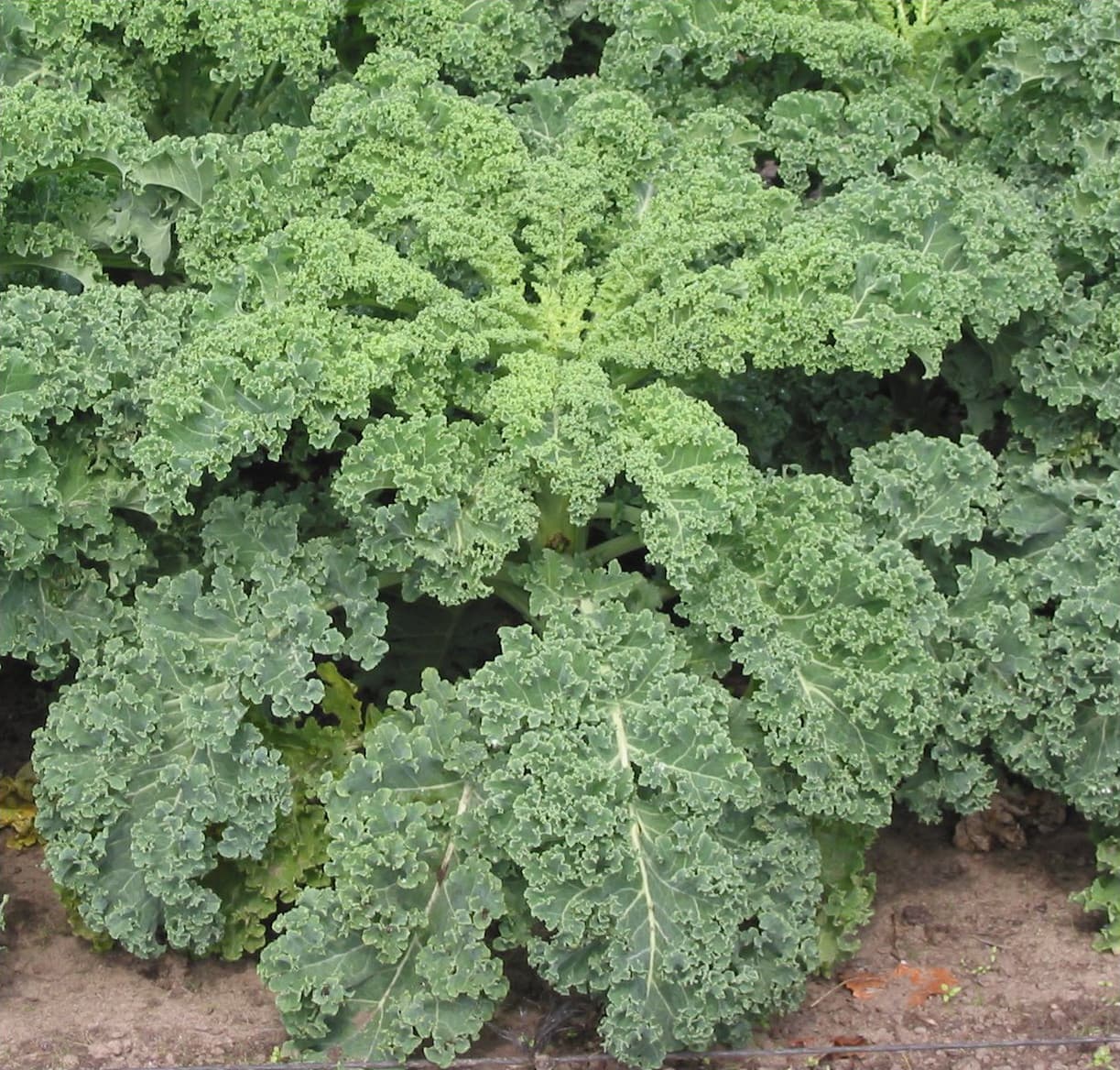
How to grow kale
easy · 7 things that go wrong
Sown in summer, ignored through the drought, and then picked all winter while everything else is bare ground. No other vegetable gives so much for so little attention.
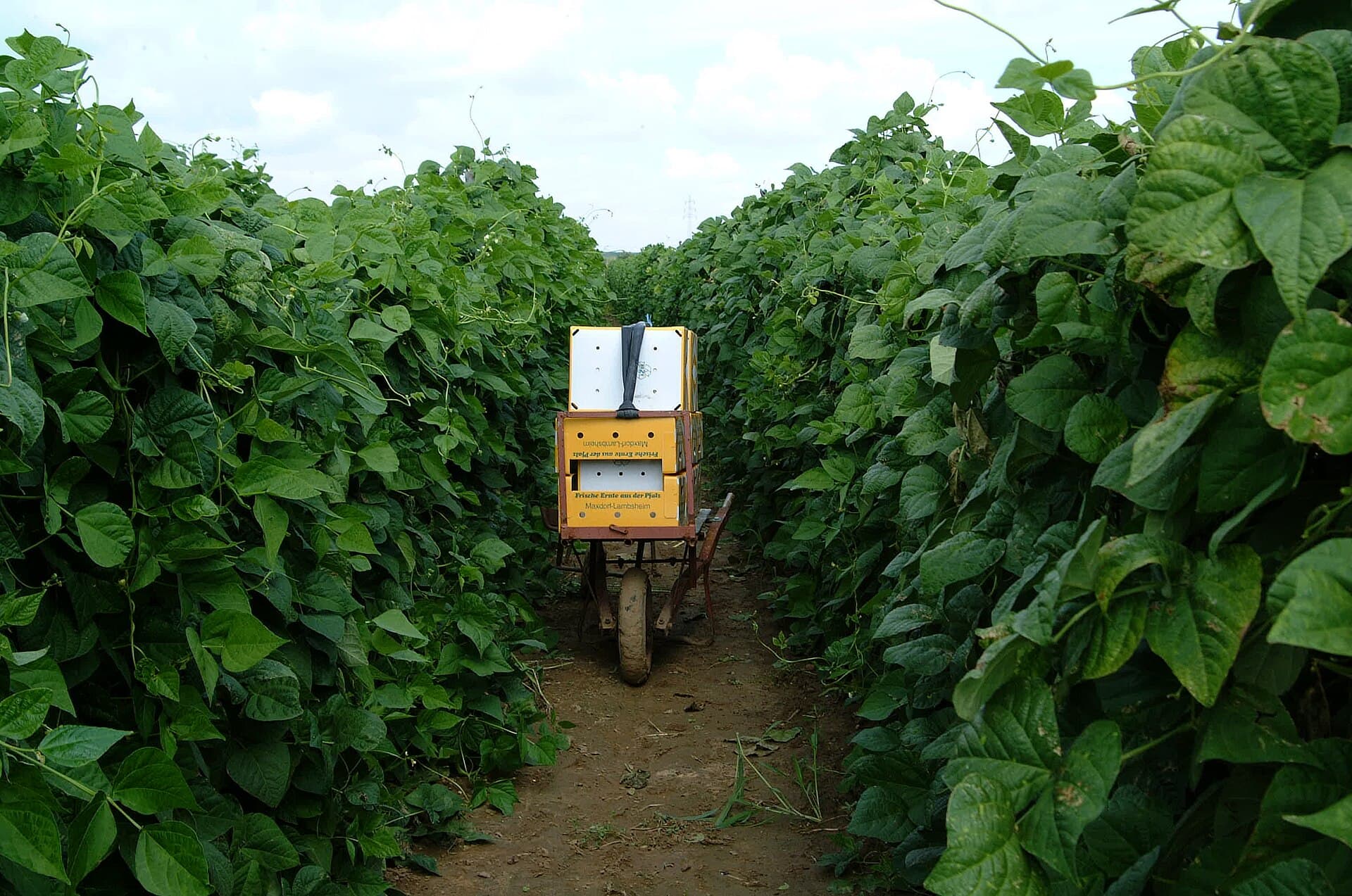
How to grow beans
easy · 7 things that go wrong
The crop that takes over the ground peas leave. Everything about growing beans well comes down to one thing: waiting for the soil to warm, then never letting a pod get old on the plant.

How to grow summer squash
easy · 7 things that go wrong
The crop with a reputation for being unstoppable, which is true right up until the fruit start shrivelling on the plant, and that failure is about bees, not about you.

How to grow tomatoes
moderate · 8 things that go wrong
The crop people rush and regret. Nearly every contradictory piece of tomato advice you have read is correct for one kind of plant and wrong for the other, and the packet rarely tells you which you bought.
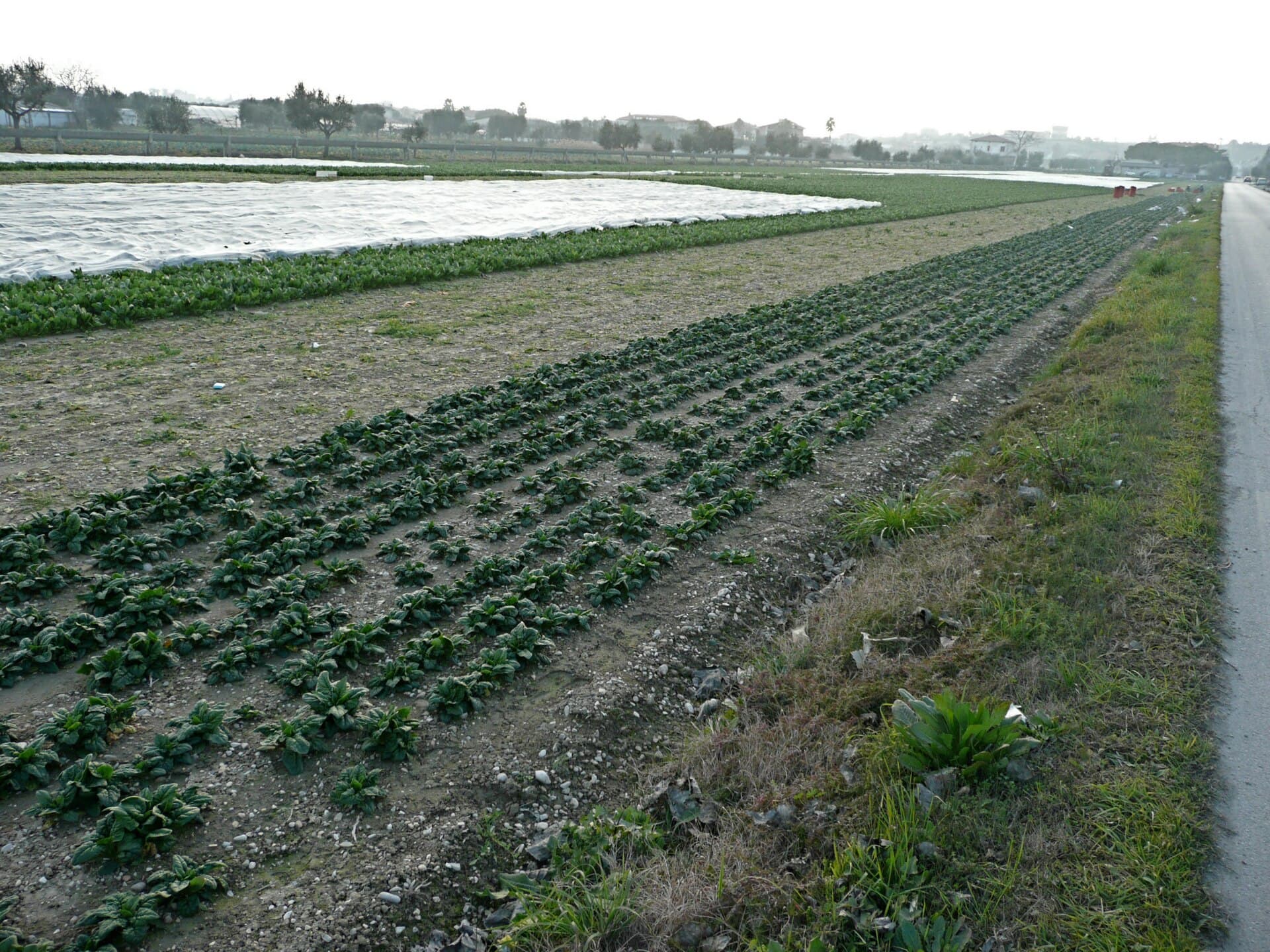
How to grow spinach
easy · 7 things that go wrong
Everybody sows it in spring and everybody is disappointed. Spinach is an autumn and winter crop that tolerates a short spring outing, get the season the right way round and it is one of the most generous things you can grow.
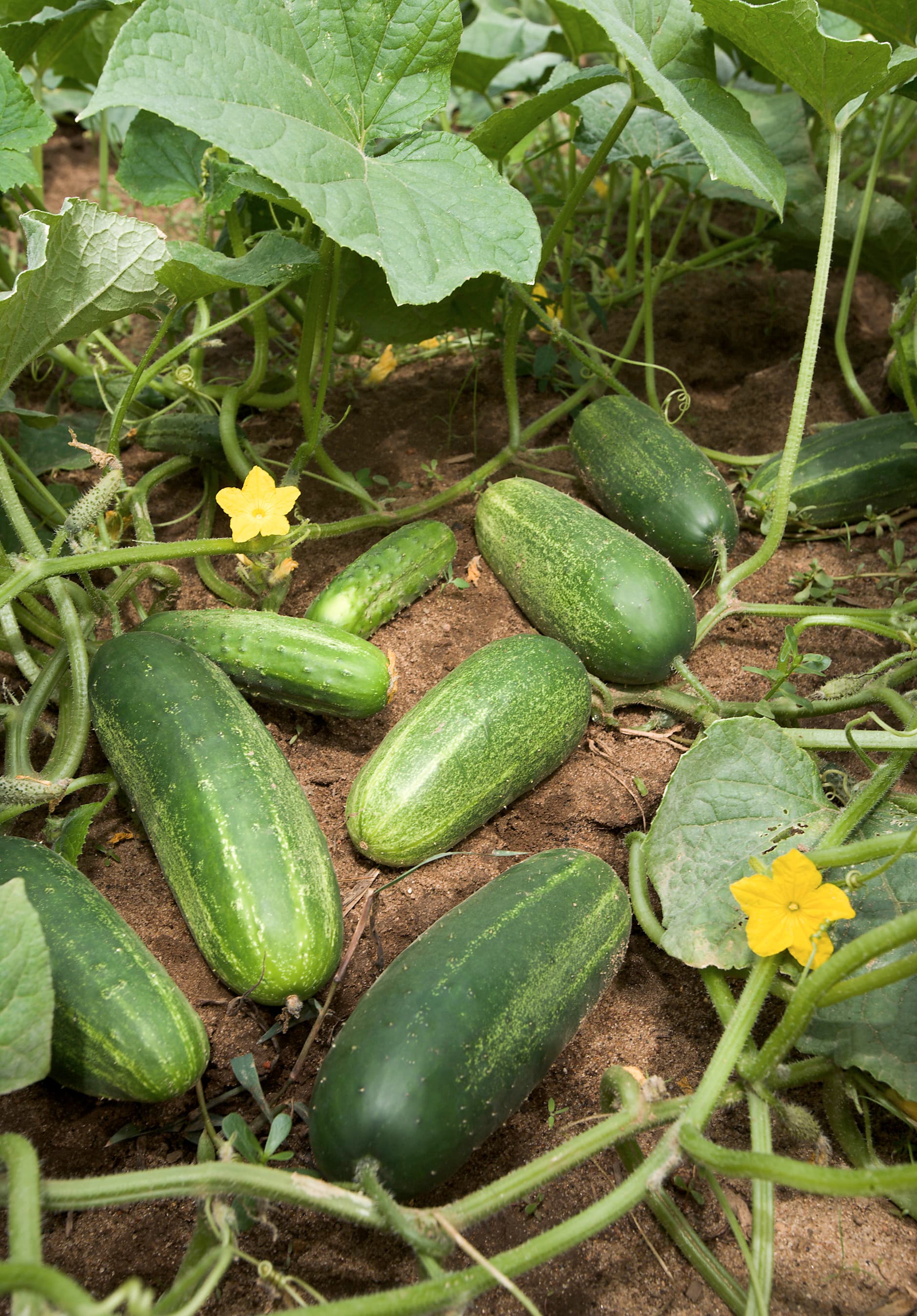
How to grow cucumbers
easy · 7 things that go wrong
A sprawling crop that does not have to sprawl. Almost everything about growing cucumbers gets easier the moment you grow them upward instead of across.
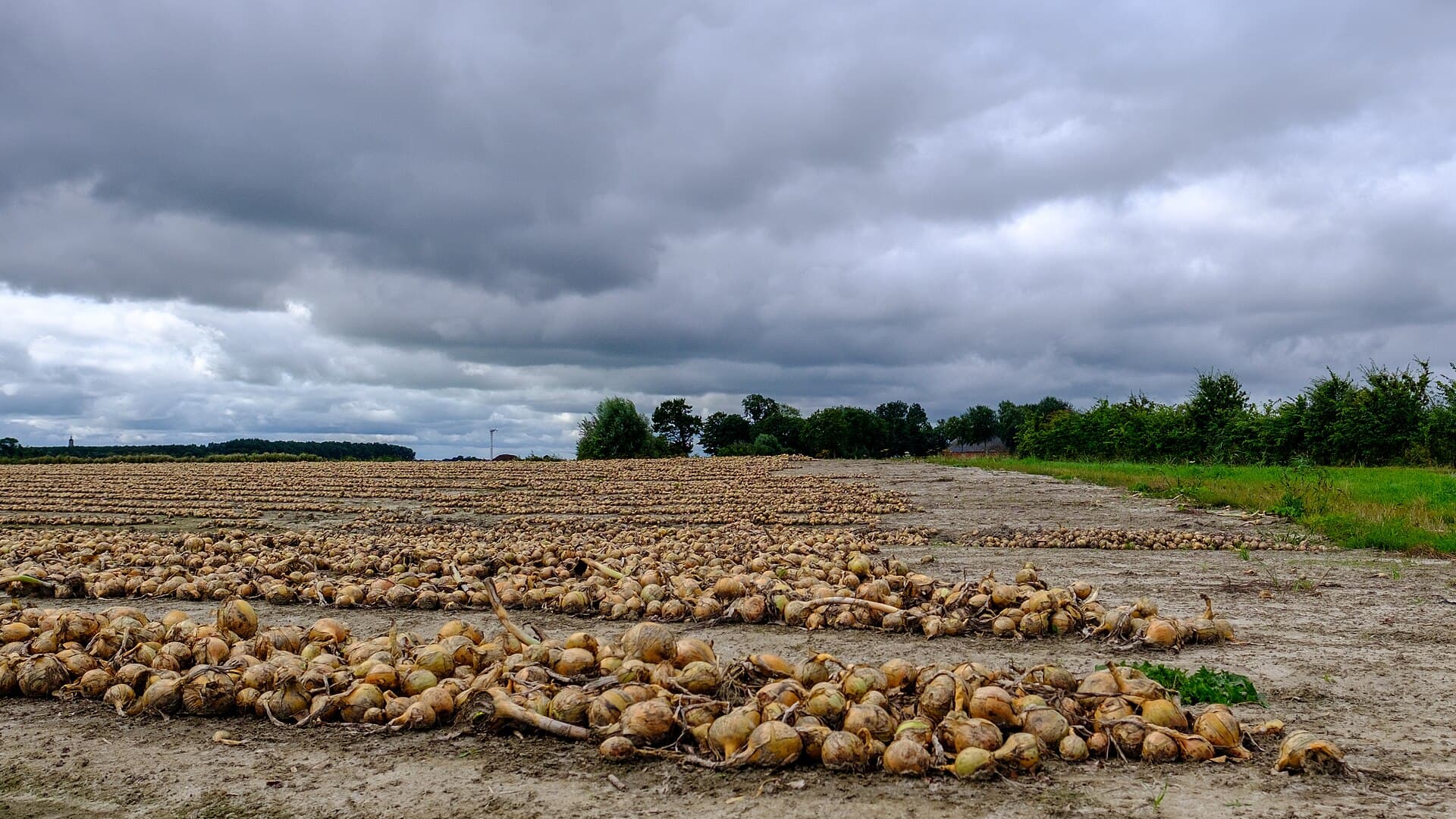
How to grow onions
moderate · 7 things that go wrong
The one crop where you can do everything right and still fail, because you bought the wrong variety for your latitude. Get that decision right and the rest is straightforward.
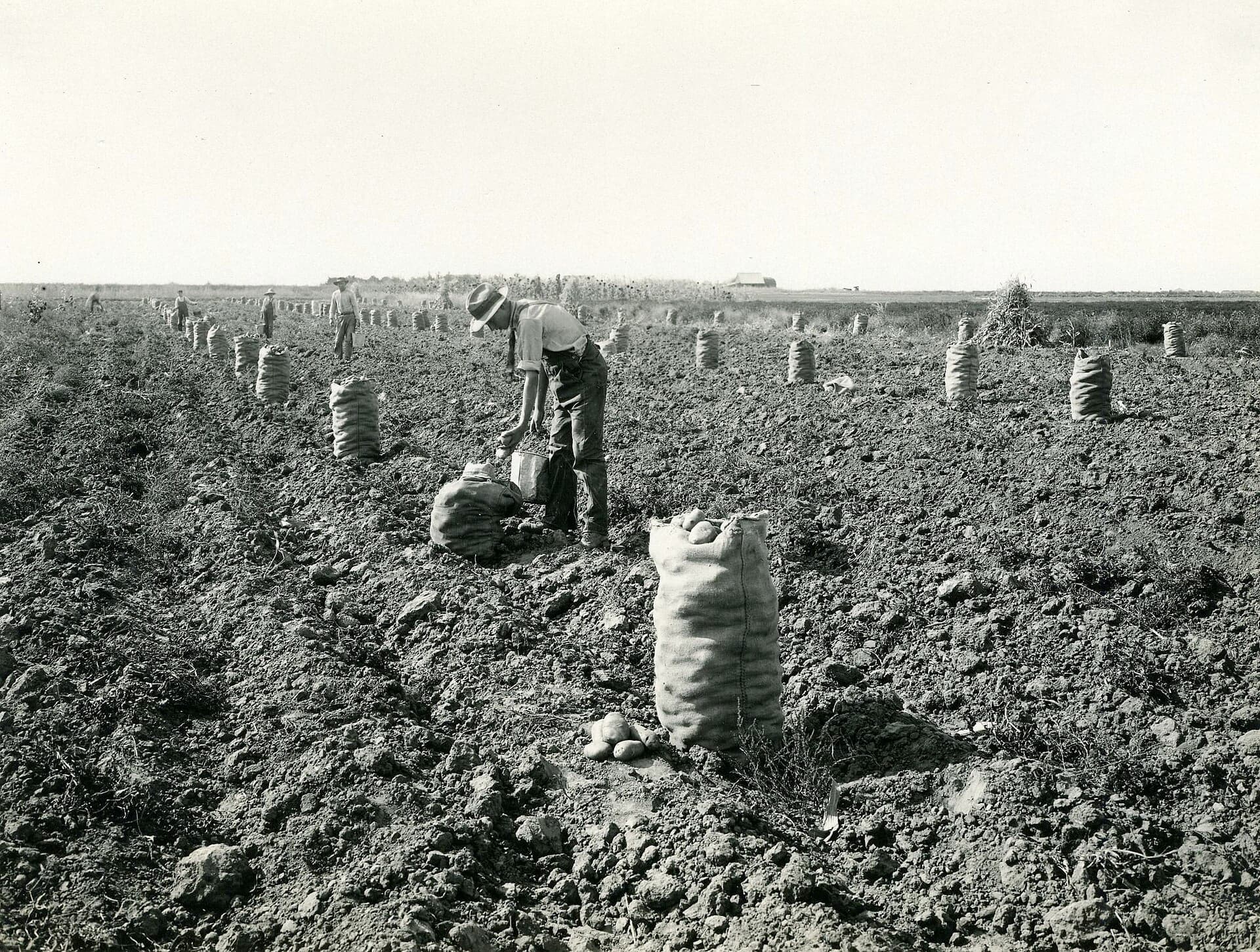
How to grow potatoes
easy · 7 things that go wrong
The only crop here you grow from a piece of itself rather than from seed. That one fact changes everything downstream, including why you must keep piling soil over it.
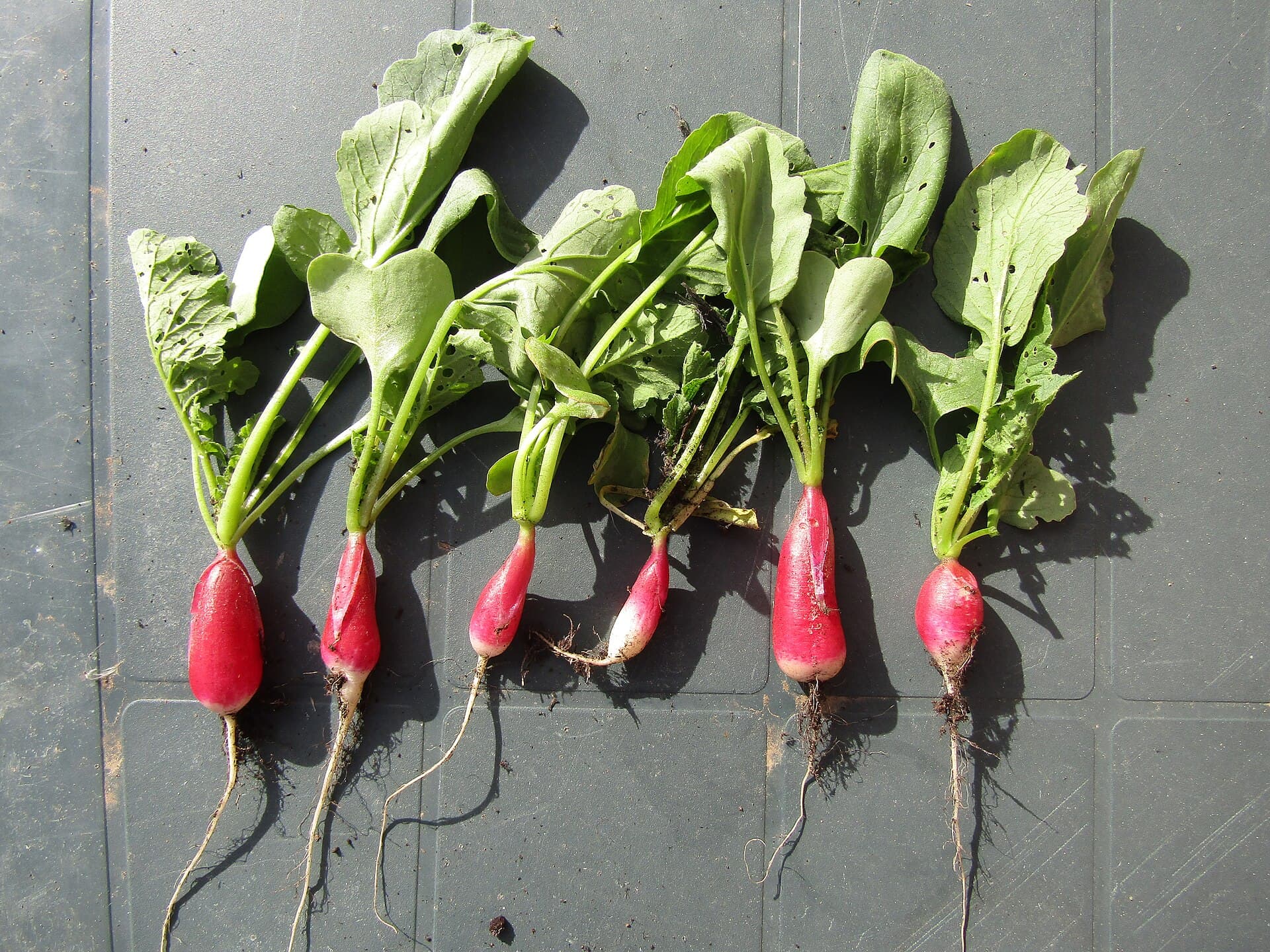
How to grow radishes
easy · 7 things that go wrong
The fastest crop in the garden, and the one most often ruined by kindness. All top and no root has three distinct causes, and crowding is only the first of them.
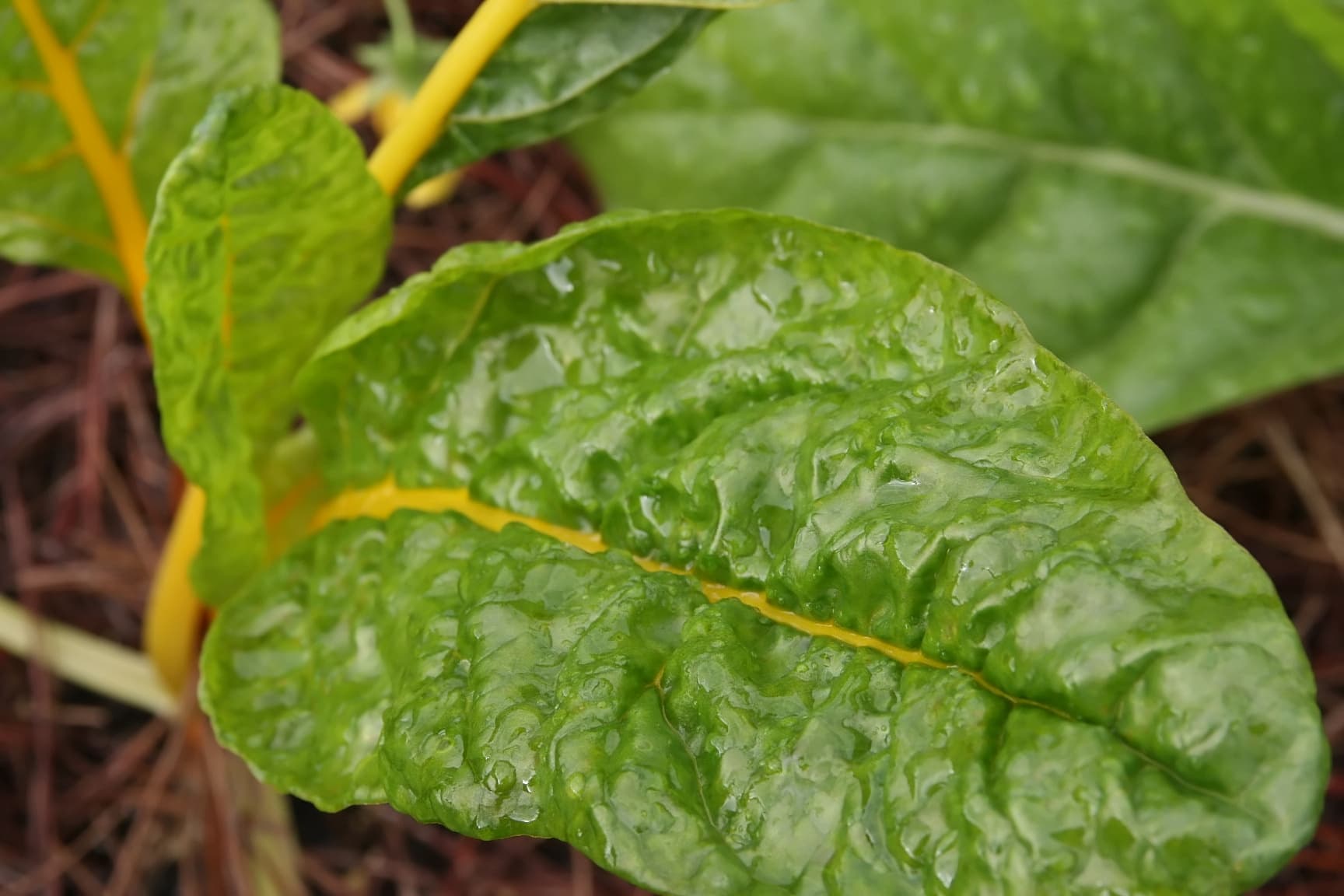
How to grow chard
easy · 6 things that go wrong
The highest-return leaf crop a wet-winter garden can grow. One spring row picks from June until the following spring, and it does the job in July that spinach flatly refuses to do.
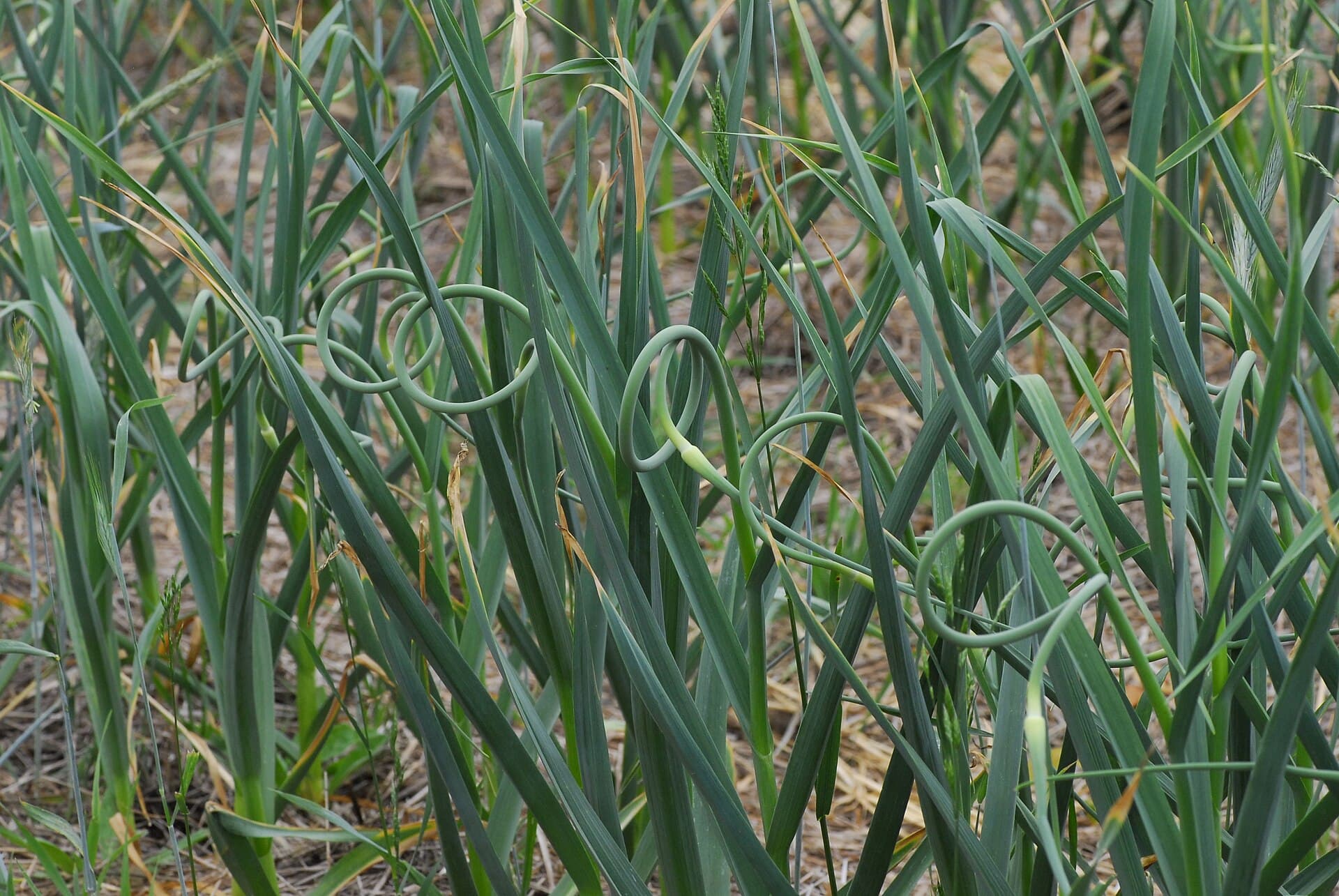
How to grow garlic
easy · 7 things that go wrong
You plant it when everything else is finishing and dig it when everything else is starting. Nine months in the ground, almost no attention in between, and the decision that matters is made before the first clove goes in.
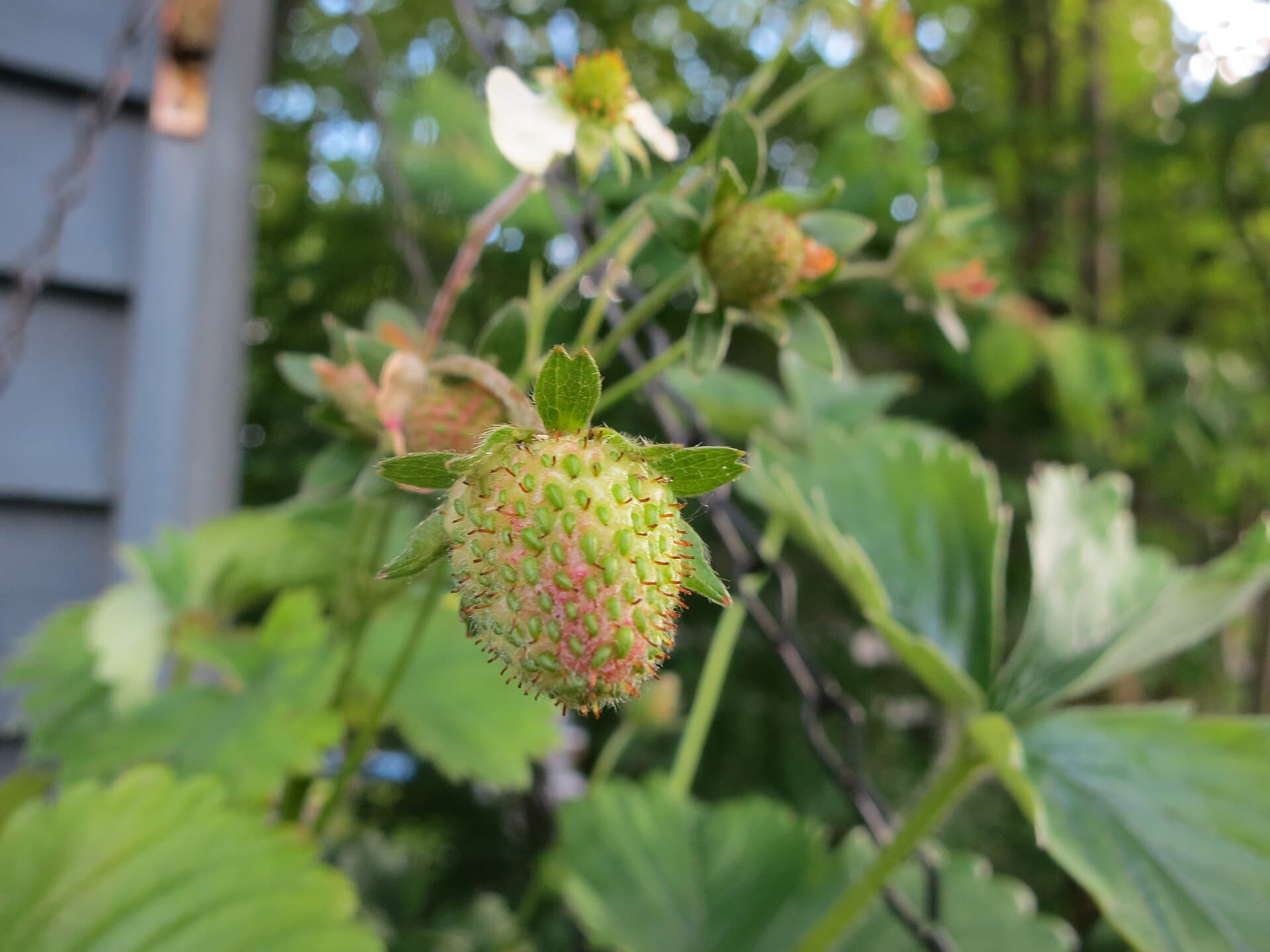
How to grow strawberries
easy · 7 things that go wrong
The first fruit most people plant and the one most often left to decline quietly. A strawberry bed is not permanent, it is a three-year cycle, and knowing that is most of the skill.
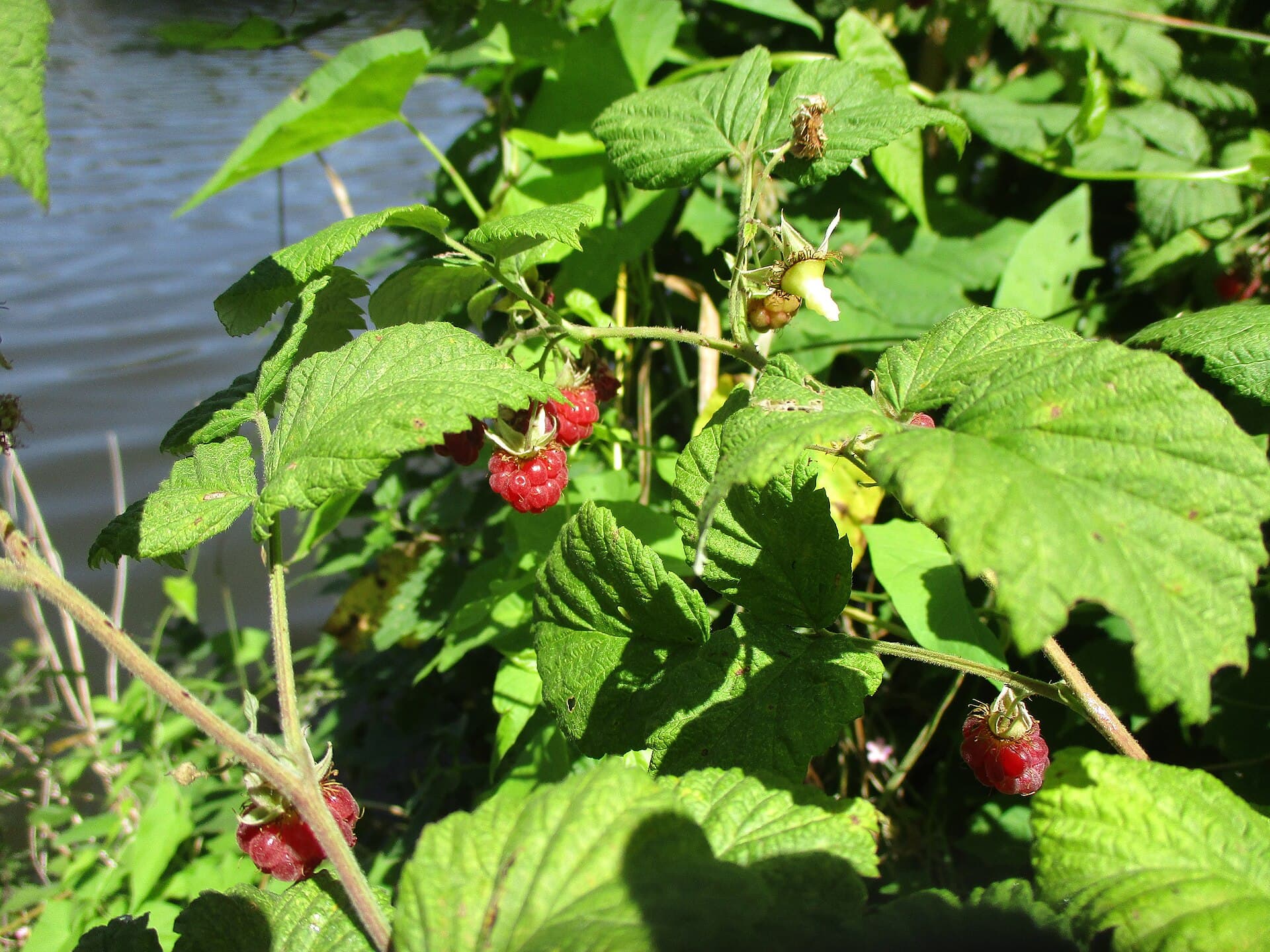
How to grow raspberries
easy · 7 things that go wrong
Arguably the best fruit a wet-summer climate can grow, and the one most often ruined with secateurs. Everything depends on knowing which of two kinds you planted.
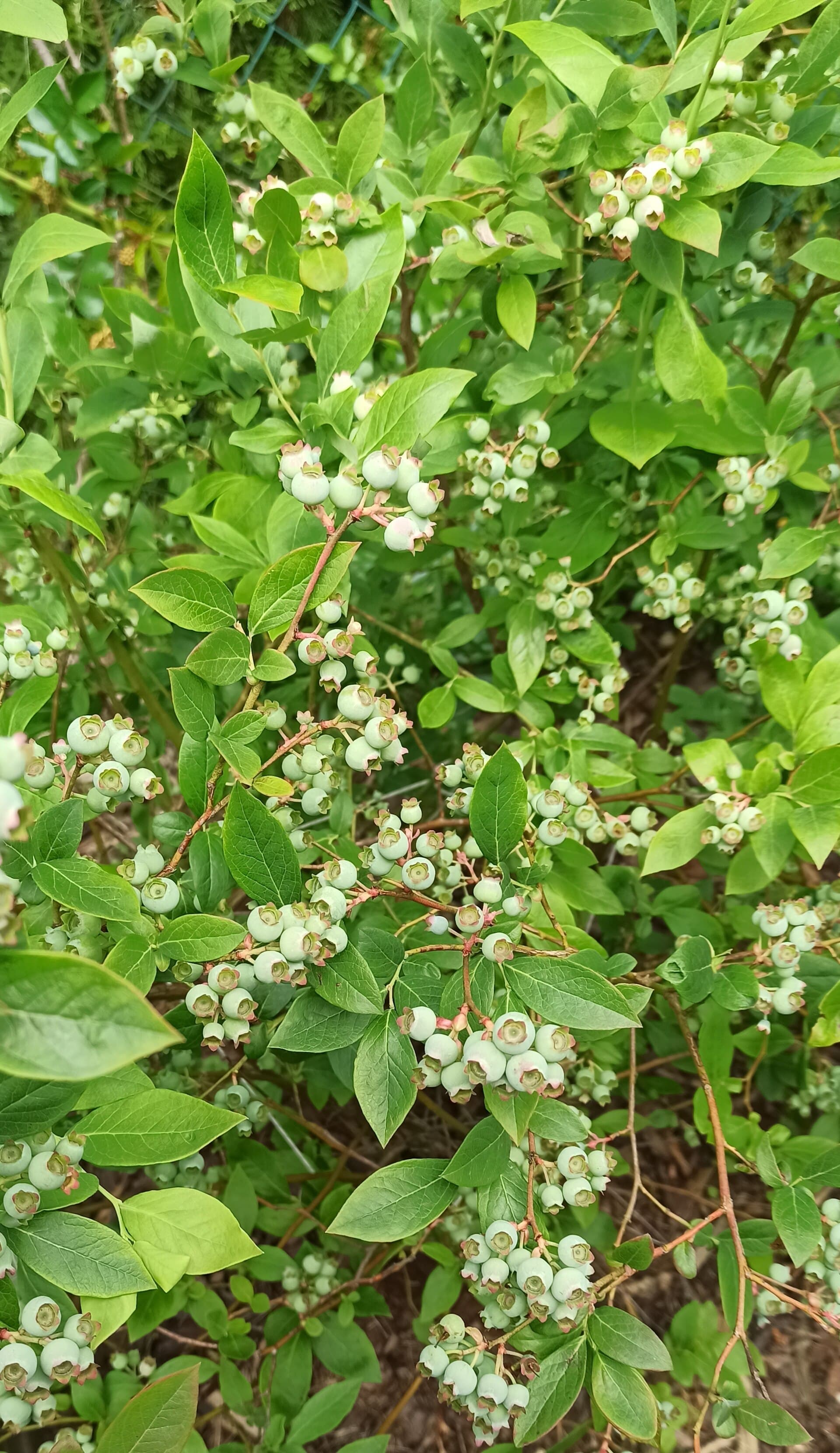
How to grow blueberries
moderate · 7 things that go wrong
The only fruit here that no nineteenth-century book can help you with, because it had not been invented yet. It is also the one crop where getting the soil wrong cannot be fixed by anything else you do.
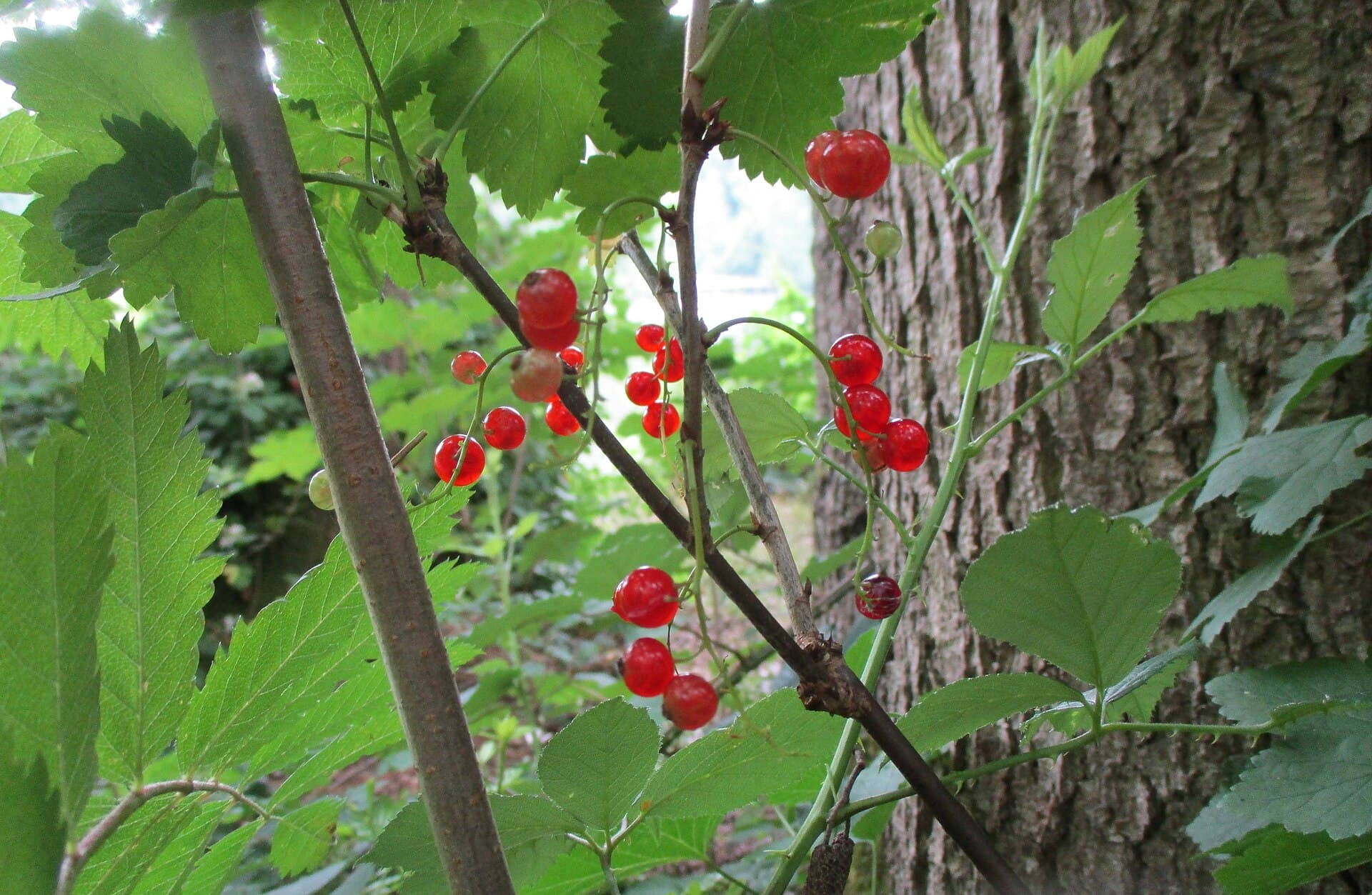
How to grow currants
easy · 7 things that go wrong
Ordinary in Britain, almost unknown in American gardens, and for a reason that has nothing to do with how it grows: currants were federally banned for half a century to protect the white pine.
How to grow apples
moderate · 7 things that go wrong
The one fruit where the most important decision is made before you plant, is invisible on the label, and cannot be changed afterwards. It is not the variety. It is the roots it is grafted onto.
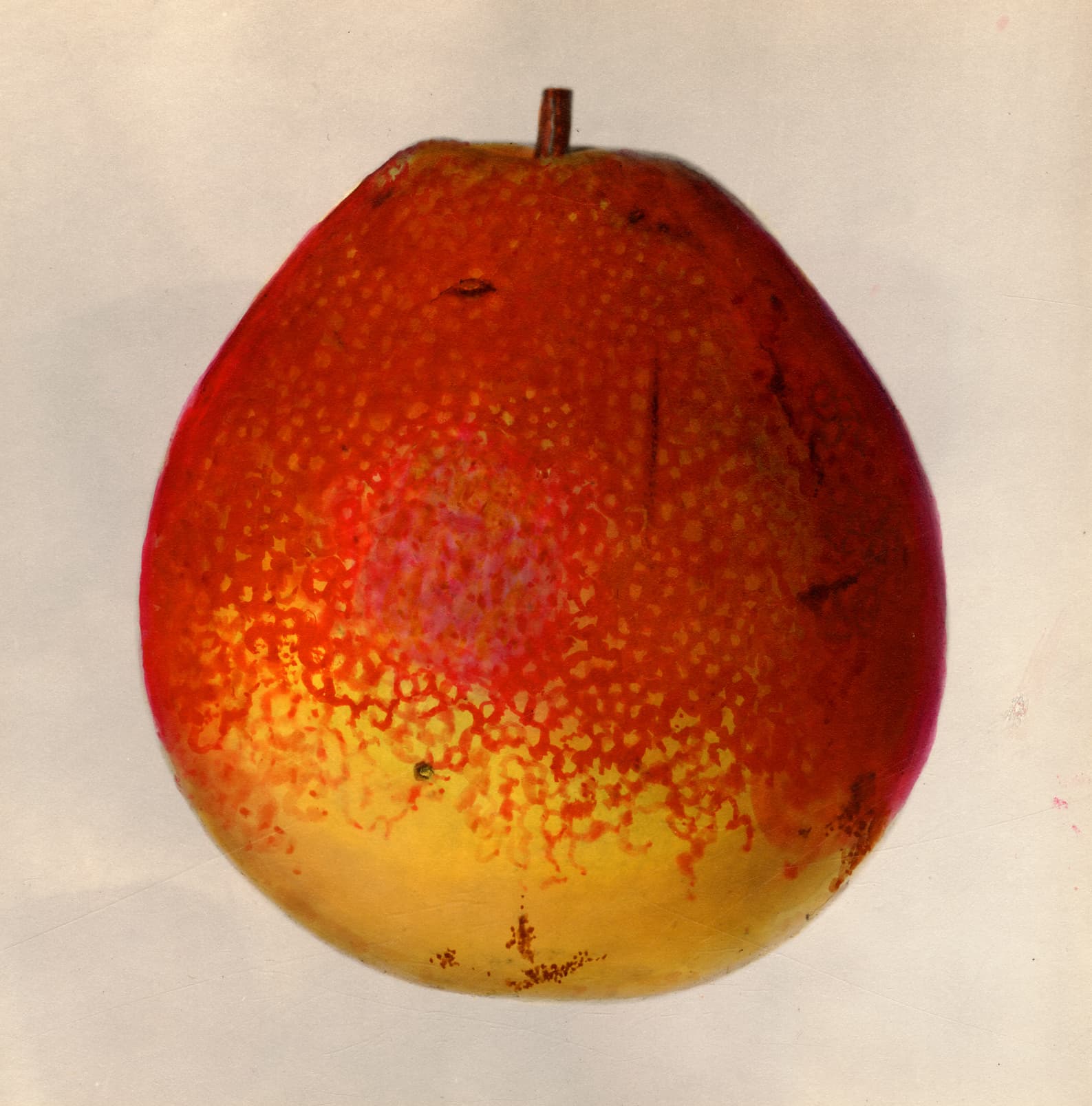
How to grow pears
moderate · 7 things that go wrong
Grown almost exactly like an apple, with one exception that decides whether you get anything worth eating: a pear left to ripen on the tree has already gone over by the time it looks ready.
Why bother writing another growing guide
Generic growing advice is a solved problem. The almanacs and the extension services have covered it for a century, and writing more of the same would be a waste of everybody's afternoon.
Three things here are not generic. The dates are yours, counted from the weather station nearest your ZIP rather than from a national average. The spacing is sourced, quoted from public-domain books we have read properly rather than repeated from other websites. And the troubleshooting is organised by symptom, because the second time somebody searches for a crop it is because something has gone wrong.
Where we do not know something, or where it is local enough that a national guide would be guessing, the pages say so.
Then stop buying seed
Whether you can save a crop's seed is decided by four fixed facts about the plant, none of which are obvious and all of which are comparable across crops. We put them in a table, with what a variety catalogue from 1863 says was growing before most of it disappeared.
Seed saving and heirloom varieties →
Farm rooted clothing · Est. 2005
The guides are free. The shop is the business.
Sun & Rain Works is a small apparel outfit in Eugene, Oregon, with agricultural roots and a slow path toward farming. The growing guides you just read comes from the same place as the shirts.
More growing guides
We're working through the vegetables one at a time, with dates counted from your own frost station and the old books read properly. Occasional notes from Eugene, Oregon, an art business with agricultural roots, working its way toward farming.
We'll email you to confirm before sending anything. After that, occasional seasonal notes from Sun & Rain Works, we won't share your address, and every email has an unsubscribe link.