The library
19 good books, all of them free
Public-domain gardening books held by Project Gutenberg, not scanned pages, but real text you can search, quote and read on a phone. Chosen for being useful, not just old.
Why a reading list and not another archive
Our victory garden archive is scans, photographs of pages, where quoting anything means correcting the machine transcription by hand. That is the slowest part of the work, and it is why that archive lists a hundred documents and has read eight of them properly.
These are transcriptions instead. Somebody has already typed every word, so there is nothing standing between you and the book. That makes reading one closely cheap enough to be worth doing: 3 of the 19 now have our notes on them, quoted and marked for what still holds. The rest carry a line on why they earn a place, and then get out of the way.
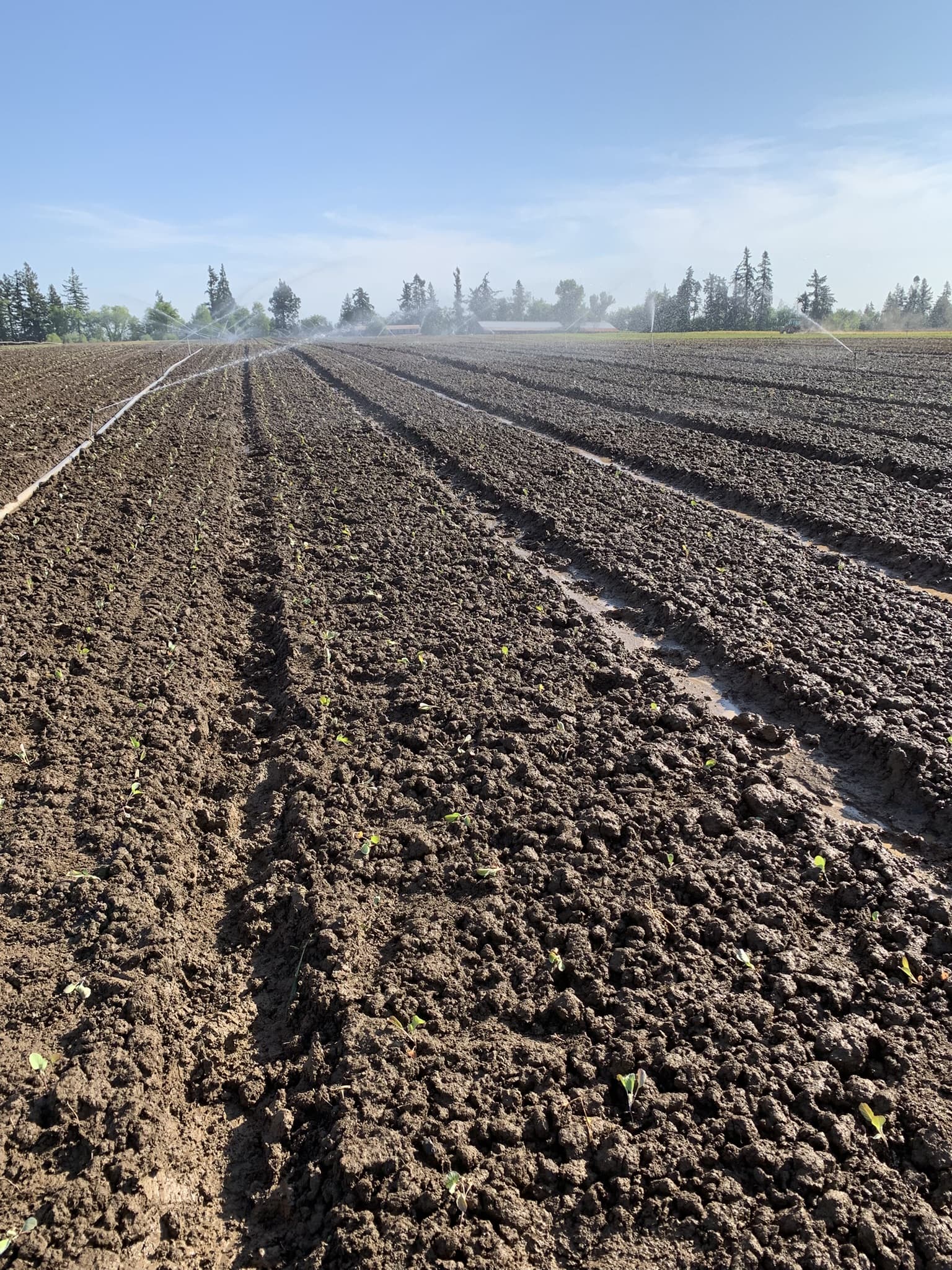
The bias is deliberate. Two of them are about growing through a rainless summer in a wet-winter climate, which is the specific problem where we garden and where general advice is least useful.
Growing without water
The Pacific Northwest has wet winters and rainless summers, which is an unusual combination and badly served by general gardening advice. These two take it seriously.
Gardening Without Irrigation: or without much, anyway
Read it free →Steve Solomon
The best thing on this shelf, and the only one written about our exact climate, it is subtitled the Cascadia Gardening Series, and it opens on predictably rainless summers. Solomon founded Territorial Seed Company in Oregon, and he put this on Gutenberg himself. No year on the title page; the trial data in it runs to 1992.
Our notes on this one →Dry-Farming: A System of Agriculture for Countries under a Low Rainfall
Read it free →John Andreas Widtsoe · 1920
The field-scale version of the same argument, from the Agricultural College of Utah. Where Solomon is practical about a backyard, Widtsoe is systematic about why a dust mulch and wide spacing work at all.
The wartime pocket guide
The commercial counterpart to the government bulletins in the archive, same war, same advice, written to be sold rather than given away.
War Gardens: A Pocket Guide for Home Vegetable Growers
Read it free →Montague Free · 1918
Written by the head gardener at Brooklyn Botanic Garden in the same year the National War Garden Commission was mailing its own manuals out free. Worth reading against them: Free is writing for a publisher, and it shows in how much less he hectors.
The standard manuals
General vegetable growing from the era when a household manual had to be complete, because there was nothing to look up afterwards.
Manual of Gardening
Read it free →L. H. Bailey · 1910
Bailey is the central figure in American horticulture and this is his household book. If you only read one thing here, and you do not garden in a dry summer, read this one.
Home Vegetable Gardening: A Complete and Practical Guide
Read it free →F. F. Rockwell · 1911
The most methodical of the general manuals, soil, tools, sequence, storage, and the one closest in structure to how the USDA would organise the same advice thirty years later.
A-B-C of Vegetable Gardening
Read it free →Eben E. Rexford · 1916
For beginners, and unusually honest about it. The direct ancestor of the wartime scripts written for people who had never grown anything.
The Vegetable Garden: What, When, and How to Plant
Read it free →Anonymous · 1912
A crop-by-crop manual reprinted from The Farmer's Cyclopedia, with a market-gardening slant and one very good planting table at the back. That table prints row spacing twice, once for horse cultivation and once for hand, which is the column that makes old manuals usable rather than quaint.
Our notes on this one →The Garden Yard: A Handbook of Intensive Farming
Read it free →Bolton Hall · 1909
Intensive growing on a city lot, decades before anyone called it that. Hall was a land-reform campaigner, so the politics are on the surface rather than buried.
Under glass
Cold frames, hotbeds and greenhouses, the cheapest way to add six weeks to either end of a season, and the part of old growing practice that modern gardening most obviously forgot.
Gardening Indoors and Under Glass
Read it free →F. F. Rockwell · 1911
The most downloaded gardening book we found anywhere on Gutenberg, nearly six thousand, and it is easy to see why. Cold frames and hotbeds built from boards and manure, which is still the cheapest season extension there is.
Fruit
Perennials are a different discipline from vegetables: you plant once and live with the decision for twenty years. Both of these predate dwarfing rootstocks, so read them for method and check varieties against current regional advice.
Success with Small Fruits
Read it free →Edward Payson Roe · 1881
Strawberries, raspberries, currants and blackberries, by a novelist who gave up the pulpit to grow them commercially on the Hudson. Opinionated, readable, and specific about the thing that actually matters with berries: drainage.
The Book of Pears and Plums, with Chapters on Cherries and Mulberries
Read it free →Edward Bartrum
Number XI in the Handbooks of Practical Gardening. English rather than American, so the varieties will not transfer, but the chapters on pruning, training and pollination are the clearest short treatment we found. No year on the title page.
Herbs
Growing, harvesting, drying and storing. The one category where the old books are arguably still the best available, because nothing about it has changed.
Culinary Herbs: Their Cultivation, Harvesting, Curing and Uses
Read it free →M. G. Kains · 1912
Kains wrote the standard American book on the subject and this is it. Drying and curing are the valuable half, the part every modern herb guide skips, and the part that decides whether what you grew is worth anything in January.
Soil
Written before synthetic nitrogen was cheap, so the whole problem is framed as building fertility out of what you already have. That framing has aged extremely well.
Crops and Methods for Soil Improvement
Read it free →Alva Agee · 1912
The most downloaded book on this shelf by a distance, and deservedly. Cover crops, green manures and rotations as a system for building fertility rather than buying it.
The Story of the Soil
Read it free →Cyril G. Hopkins · 1911
Soil science delivered as a novel, of all things, a young man argues his way around a worn-out farm. An odd format that makes the chemistry stick better than a textbook would.
Lessons on Soil
Read it free →Edward J. Russell · 1911
Short, and built around experiments you can actually run, settling jars, drainage, water rise. Written for schools, which is why it explains things properly.
What the varieties used to be
Reference works cataloguing vegetable varieties in cultivation at the time, the closest thing there is to a census of what has since been lost.
The Field and Garden Vegetables of America
Read it free →Fearing Burr · 1863
The oldest book here and the most quietly startling: a catalogue of essentially every vegetable variety grown in America before the Civil War. Most of them are gone. If you save seed, this is the baseline.
Our notes on this one →
Putting it by
Canning and storage. Follow modern tested processing times for anything low-acid rather than these, but the principles, and the storage chapters, still hold.
Canning, Freezing, Storing Garden Produce
Read it free →U.S. Department of Agriculture · 1977
Agriculture Information Bulletin 410, reprinted from the 1977 Yearbook of Agriculture. The most recent thing on the shelf, and much closer to current guidance than anything from the 1940s.
Home Canning of Fruits and Vegetables
Read it free →USDA Agricultural Research Service · 1965
Home and Garden Bulletin No. 8, the pamphlet that sat in a great many American kitchen drawers. Useful as the direct descendant of the wartime canning bulletins in the archive.
Every Step in Canning: The Cold-Pack Method
Read it free →Grace Viall Gray · 1920
On the shelf for history rather than practice. Cold-pack processing of low-acid vegetables is no longer considered safe, and reading it shows exactly how much of what changed in preserving was about botulism.
On rights
Every book here is free to read, copy and reuse, on one of three bases: published before 1930 and out of copyright by age; a work of the United States federal government; or, for the Solomon, placed in the public domain by its own author, his name is on the transcription credit. We host none of them. Every link goes to Project Gutenberg, who did the work.
One thing none of them can tell you
Every book on this shelf tells you to plant after the last frost, and not one of them knows when that is where you live. Widtsoe and Solomon come closest and they are still writing about a region, not a valley.
Find your frost dates →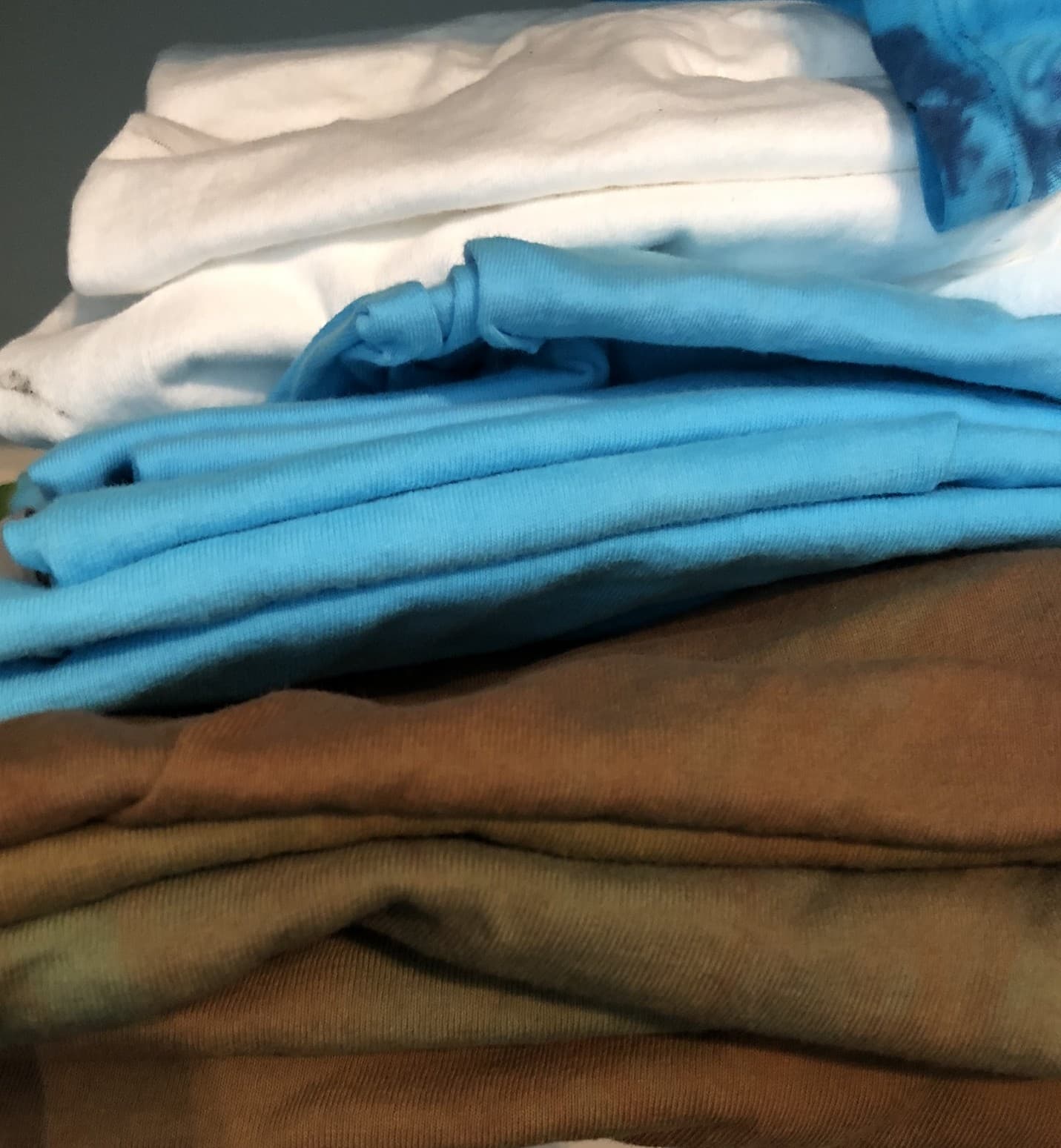
Farm rooted clothing · Est. 2005
The guides are free. The shop is the business.
Sun & Rain Works is a small apparel outfit in Eugene, Oregon, with agricultural roots and a slow path toward farming. The reading shelf you just read comes from the same place as the shirts.
More from the library
We're working through the public-domain growing literature and marking what still holds. Occasional notes from Eugene, Oregon, an art business with agricultural roots, working its way toward farming.
We'll email you to confirm before sending anything. After that, occasional seasonal notes from Sun & Rain Works, we won't share your address, and every email has an unsubscribe link.