The archive
What the government told people to grow
Between 1942 and 1946 the USDA published growing advice for millions of first-time gardeners. Those documents are public domain and mostly forgotten. We're collecting all of them, and reading them properly.
Why bother with eighty-year-old advice
Because a surprising amount of it is better than what replaced it. Wartime bulletins were written when getting it wrong meant going without, by people with nothing to sell you. There was no margin in recommending a product, so they didn't.
Some of it has genuinely been superseded, and we say so, the pest guides in particular recommend chemicals nobody should go near. The point isn't nostalgia. It's that separating the durable advice from the dated advice is work nobody has done, and you can't do it without putting the original in front of the reader.
So every document we annotate is reproduced with its provenance, its scanning errors accounted for, and a link back to the original. The quoted text is theirs. The annotations are ours, and they're labelled.
Before all of this
The name is twenty-five years older than the campaign
“Victory garden” first appears in 1919, after the armistice, on pamphlets arguing Americans should keep growing because Europe was starving. The same organisation had been calling them war gardens the year before, and emergency food gardens the year before that. Its imprints record the whole change.
Where the name came from →The annotated readings
The annual programs run 1943 to 1946. The three 1943 documents come first, arranged by how far each sat from the reader, the policy statement, then the handbook handed to the organizers implementing it, then the script read aloud to households.
Read in order, they argue for the same activity from a different premise every year: military supply, then yield, then household economy, then famine relief abroad. The gardeners gave the same answer throughout.
USDA Committee on Victory Gardens · 1943
The 1943 Victory Garden Program
The policy statement the whole campaign came from, and the source the other two bulletins are quoting. Where the six-million-garden target, the hour-a-day figure, and the official reading list were all set.
Read the annotated document →
U.S. Department of Agriculture · 1943
Victory Garden: Leader's Handbook
Written for the people organizing victory gardens rather than growing them. The horticulture is sound, but the sharpest passages are about why gardens get abandoned in July and how to stop it.
Read the annotated document →
U.S. Department of Agriculture · 1943
Victory Gardens for Beginners and Busy People
A wartime radio script written for people who had never grown anything, annotated line by line. Most of the soil and watering advice is still correct; one instruction dates it completely.
Read the annotated document →U.S. Department of Agriculture · 1943
Victory Garden Tomatoes
The first single-crop document here, and a fair test of how the advice aged: nearly all the growing instruction is current, while the canning instruction has since gained a step it does not contain.
Read the annotated document →
Bureau of Human Nutrition and Home Economics · 1943
Oven drying the surplus
Preserving without jars, sugar or a pressure canner, for the household that had a glut and none of the equipment. The one method that got harder since 1943, and the reason is the ovens.
Read the annotated document →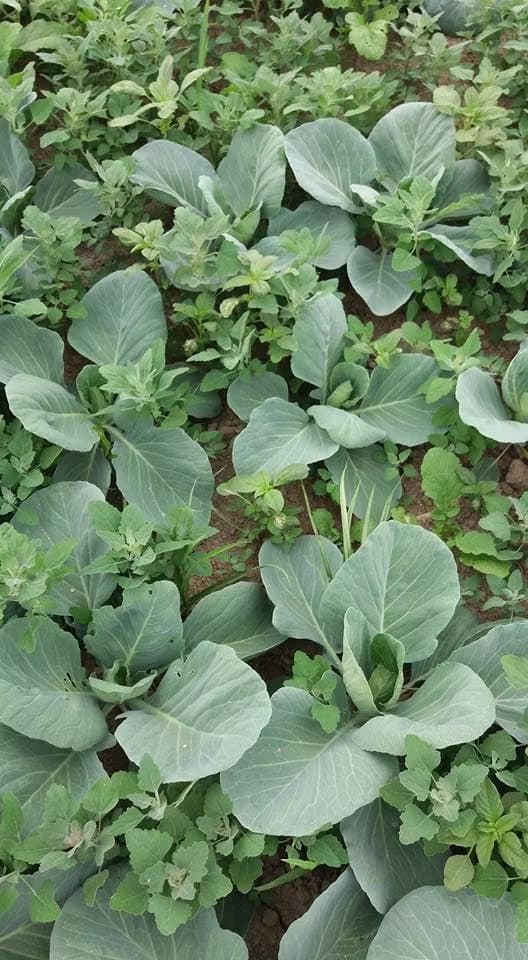
U.S. Department of Agriculture, Office of Information · 1943
The Question Box
Nineteen broadcasts of listeners' letters, read as one corpus. The bulletins record what the Department wanted households to know; this is the only source here that records what they were still asking.
Read the annotated document →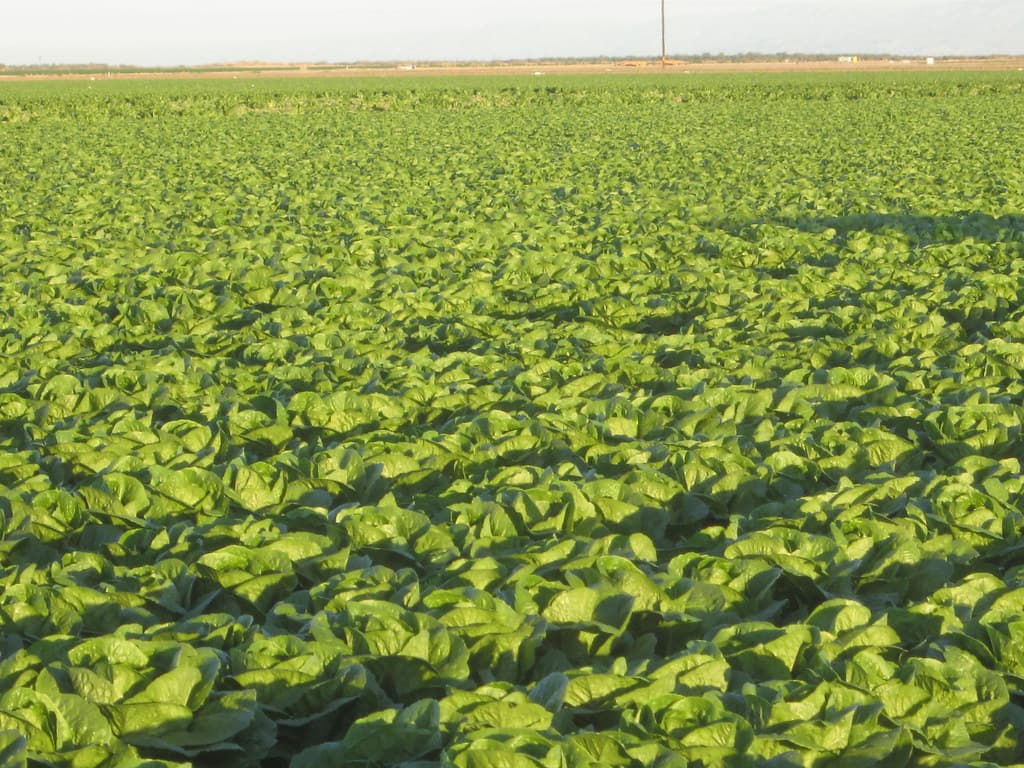
Inter-Department Victory Garden Committee · 1944
The 1944 Victory Garden Program
Twenty million gardens had just produced 40 percent of America's fresh vegetables, so the target went up and the advice turned to yield. Contains the best sentence in the series about fertilizer.
Read the annotated document →
U.S. Department of Agriculture · 1944
Victory Garden Insect Guide
Every mechanical control in it is still recommended and several are now standard organic practice. Nearly every chemical it names has since been withdrawn. Predates DDT.
Read the annotated document →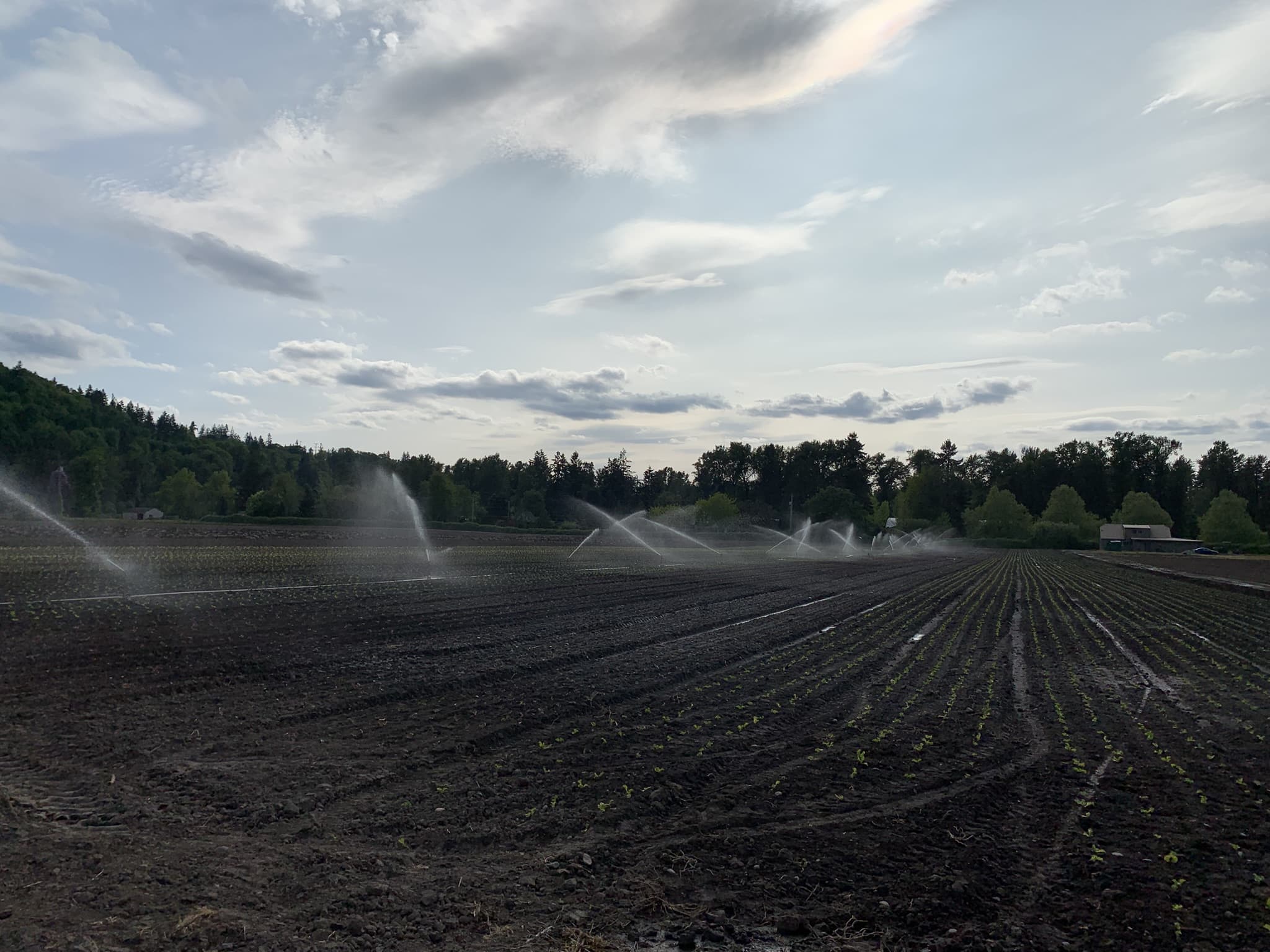
U.S. Department of Agriculture · 1943
Planning and starting
What a household heard before anything was in the ground: how big a plot one person can keep, the squeeze test for workable soil, and the sunlight figure the Department never actually settled.
Read the annotated document →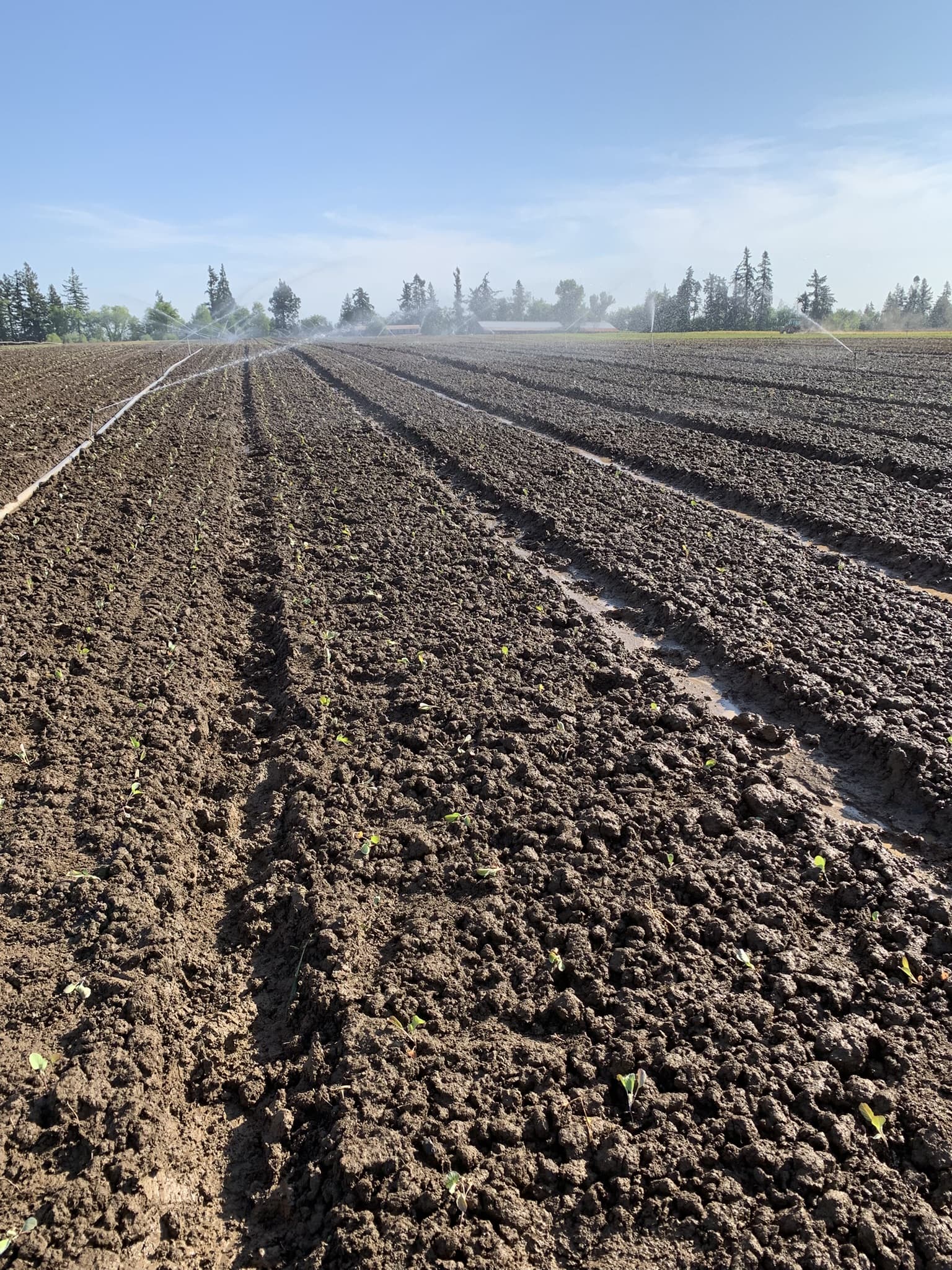
U.S. Department of Agriculture, Office of Information · 1944
Working the garden year
Twelve broadcasts grouped into a season, laying out the plot, sowing, thinning, three gardens in one year, and the August sowing. Read together they catch the Department correcting itself on sunlight.
Read the annotated document →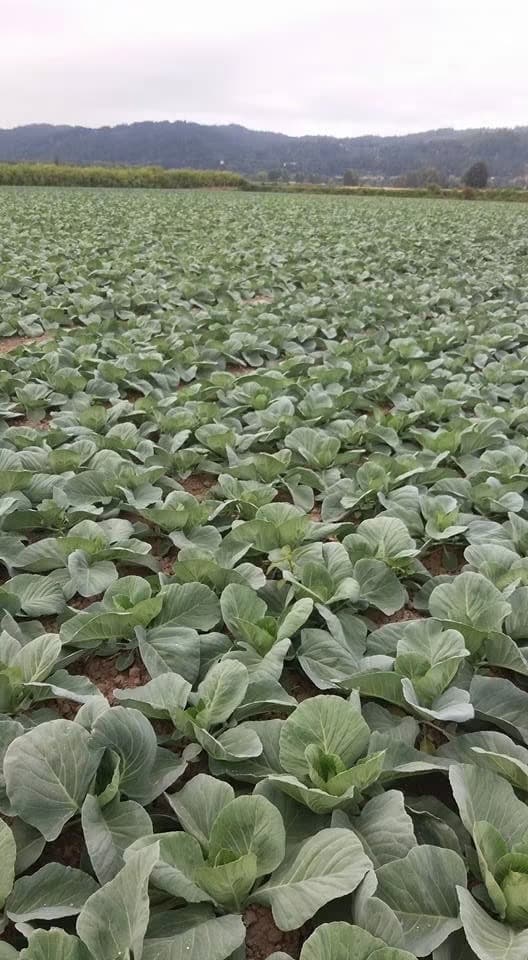
U.S. Department of Agriculture · 1944
Pests and diseases
Three leaflets alongside the 1944 insect guide. One of them explains, in a paragraph about black rot, why the world's cabbage seed is grown an hour from Eugene.
Read the annotated document →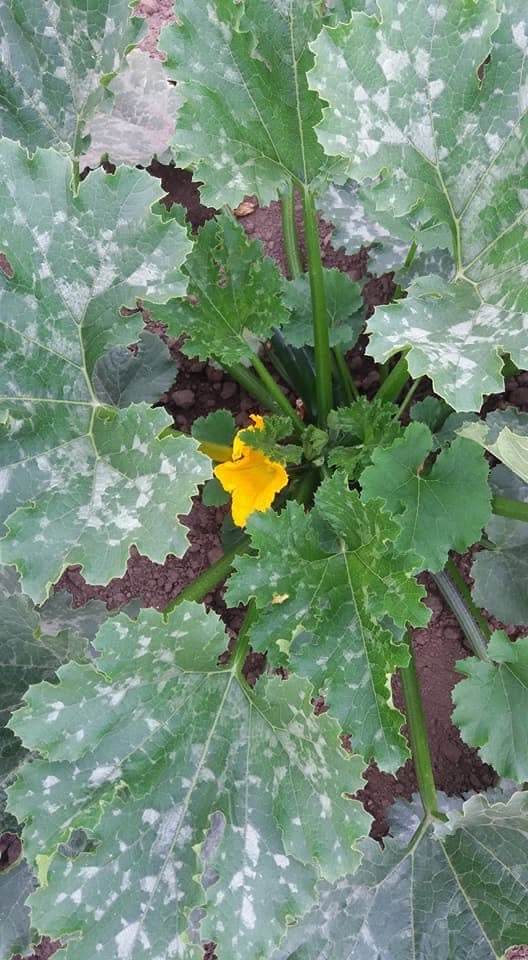
U.S. Department of Agriculture, Office of Information · 1944
When things go wrong
Drought, flood, insects, damping-off and tomato disorders, the half of growing most instruction skips. Includes the 1945 script where the Department admits the exception to its own seed advice.
Read the annotated document →U.S. Department of Agriculture · 1943
Saving the crop
Preserving without canning, store, dry, brine and pickle first, and reach for the canner only for what nothing else will keep. Plus which cabbage survives a frost and which does not.
Read the annotated document →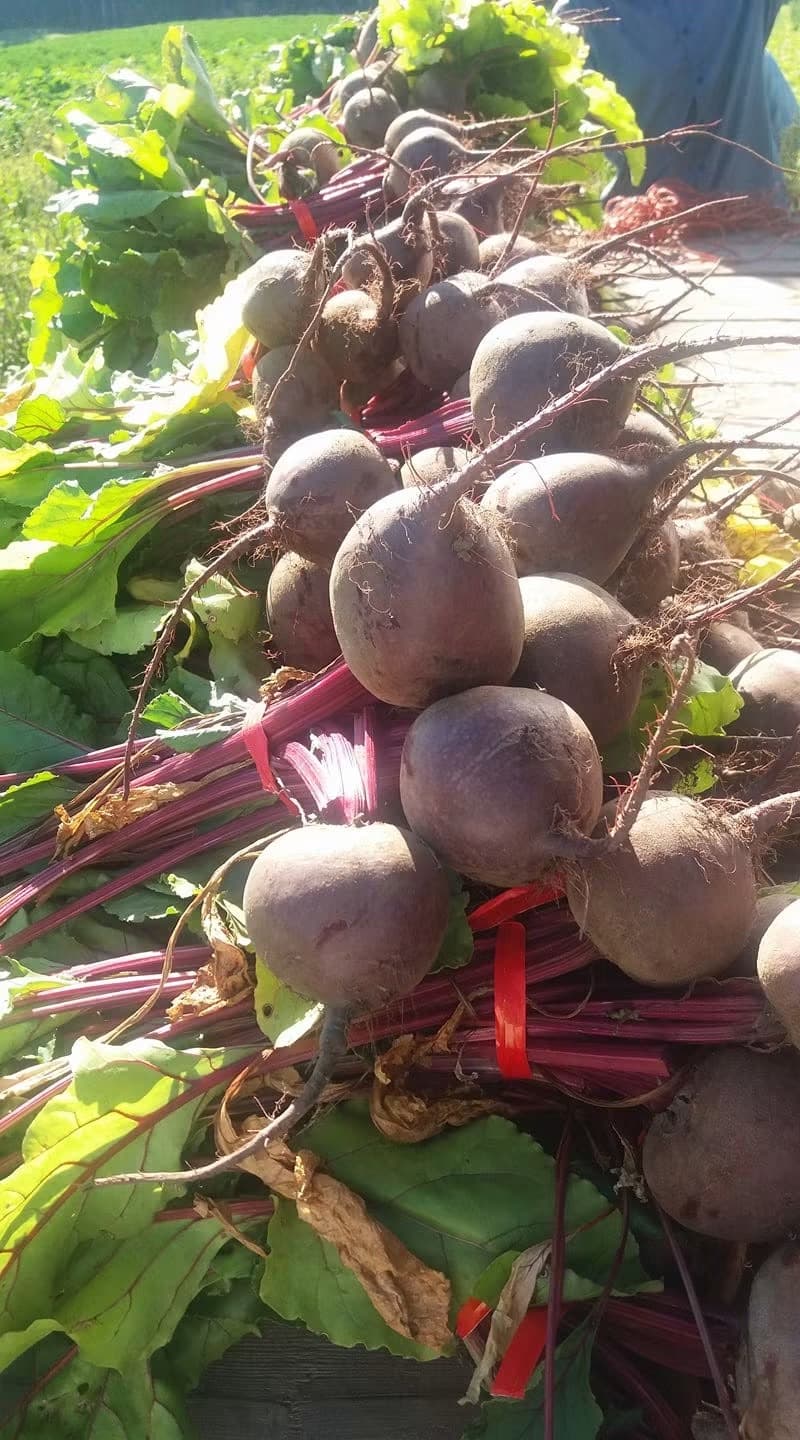
U.S. Department of Agriculture, Office of Information · 1944
The kitchen
Eight broadcasts that follow the food indoors, jars, rationed pressure canners, the day after canning. The one subject where the Department was already arguing against dangerous practice.
Read the annotated document →U.S. Department of Agriculture, Office of Information · 1945
Making the case
Sixteen broadcasts of goals, totals and examples, four years and four different arguments for the same activity. Includes a survey of 1,444 gardens and the one script that argues against starting.
Read the annotated document →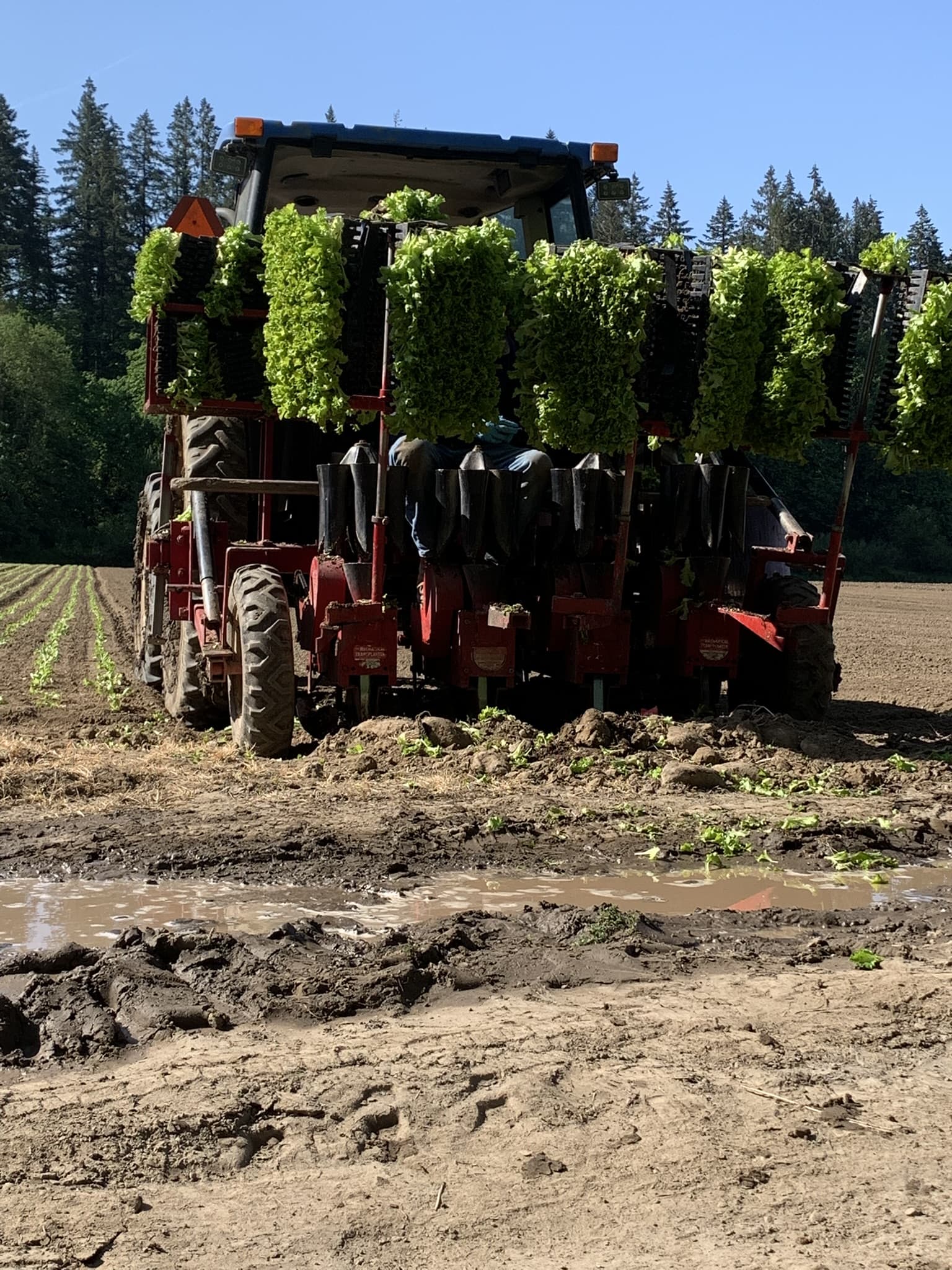
USDA on NBC and the Blue Network · 1945
Consumer Time
Nine network radio dramas with a cast and a cash register for a theme tune. The rest of the archive is instruction; this is the campaign persuading, including a Chicago community that gardened the old city dump.
Read the annotated document →
Extension Service, War Food Administration · 1945
A Victory Garden Program for 1945
The year the shortage ended and the campaign had to justify itself. Its own survey found 55 percent of victory gardeners were in it to save money, not for the war effort.
Read the annotated document →USDA Office of Information · 1946
The last year of the campaign
Two documents from the final year: the distribution machinery that reached twenty million households, and the survey asking how many of them kept gardening once the war was over.
Read the annotated document →U.S. Department of Agriculture · 1945
Running the campaign
The machinery, and the last page in the archive: conference circulars, discs cut for radio stations, and a 64-page kit showing the campaign was a press operation with a garden attached.
Read the annotated document →
The complete library
Every USDA victory garden document we have been able to find: 101 in total, of which 101 have a full annotated reading so far. The rest are listed with a link straight to the scan, so nothing here is waiting on us to be useful.
Most of it is radio. The USDA wrote scripts week by week and mailed them to farm stations across the country, and that corpus , the weekly talks, the Question Box, the NBC broadcasts, is larger than every printed bulletin in the campaign combined. Those rows carry the date the script went out, which is often the only thing distinguishing one from the next.
An earlier version of this page listed 33 documents and called that the complete library. It wasn't: we had searched titles, and the radio material almost never has "victory garden" in its title. Searching the library's subject headings instead found the rest. Separately, the collection holds around a hundred more items mentioning victory gardens that are not listed here, those are seed and nursery catalogues that borrowed the slogan to sell things, not USDA material.
The annual programs
Policy statements setting each year's targets. Read in order they argue for the same activity from a different premise every year.
- 1943The 1943 Victory Garden Program · 4ppAnnotatedScan
- 1944A Victory Garden Program for 1945 and Suggestions for a Post War Program · 8ppAnnotatedScan
- 1944The 1944 Victory Garden Program · 6ppAnnotatedScan
- 1944Victory Gardens in 1945 · 6ppAnnotatedScan
- 1945A Victory Garden Program for 1945 · 8ppAnnotatedScan
- 1945More and Better Victory Gardens Needed in 1945 · 8ppAnnotatedScan
- 19461946 Victory Garden Program: USDA Materials and Activities · 10ppAnnotatedScan
- 1946Garden and Conserve to Save What We've Won · 6ppAnnotatedScan
For the organizers
Written for the committee leaders running the campaign locally, not for gardeners. Mostly about people rather than plants.
Planning and growing
The practical material a household was pointed at: what to plant, how much, and when.
- 1942Notes on Growing a Victory Garden · March 9, 1942 · 10ppAnnotatedScan
- 1943A Head Start for the Victory Garden · March 17, 1943 · 10ppAnnotatedScan
- 1943Victory Garden Tomatoes · April 12, 1943 · 10ppAnnotatedScan
- 1944Plan Your Victory Garden Now · January 14, 1944 · 10ppAnnotatedScan
- 1944Plan Your Victory Garden Now (second scan) · March 10, 1944 · 10ppAnnotatedScan
- 1944Victory Garden Summer Greens · May 10, 1944 · 10ppAnnotatedScan
Pests and diseases
The most dated part of the campaign. The mechanical controls became standard organic practice; almost every chemical named has since been withdrawn.
Preserving the harvest
Canning, drying and storing. The food-safety advice is the closest thing in the archive to unchanged.
- 1943Saving the Products of the Victory Garden · May 14, 1943 · 10ppAnnotatedScan
- 1943Fighting Foods from the Victory Garden · September 22, 1943 · 10ppAnnotatedScan
- 1943Oven Drying: One Way to Preserve Vegetables from the Victory Garden · 6ppAnnotatedScan
- 1943Oven Drying: One Way to Save Victory Garden Surplus · 12ppAnnotatedScan
- 1944Take Care of What's Left in the Victory Garden · October 4, 1944 · 10ppAnnotatedScan
The radio scripts
Written by the USDA Radio Service and mailed to farm stations across the country to be read on air. Dated week by week, they are the campaign's running commentary on its own season, and the largest single body of material it produced.
- 1942Beans and Beets · Release June 6 to 11, 1942 · 10ppAnnotatedScan
- 1942Tomatoes: Victory Food Special · June 29, 1942 · 10ppAnnotatedScan
- 1942A Time to Give Thanks: And Look Ahead · November 26, 1942 · 10ppAnnotatedScan
- 1943Rural Women Find Ways to Be More Self-Sufficient · March 3, 1943 · 6ppAnnotatedScan
- 1943Victory Gardens for Beginners and Busy People · March 3, 1943AnnotatedScan
- 1943Produce and Conserve · March 5, 1943 · 10ppAnnotatedScan
- 1943Putting-Up Pointers · April 2, 1943 · 10ppAnnotatedScan
- 1943Garden Greens in Wartime · April 5, 1943 · 10ppAnnotatedScan
- 1943Thick and Thin · May 10, 1943 · 10ppAnnotatedScan
- 1943Notes for Victory Gardeners · June 18, 1943 · 10ppAnnotatedScan
- 1943Victory Gardening in ’44 · October 22, 1943 · 10ppAnnotatedScan
- 1943The Flooded Victory Garden · Release immediate · 10ppAnnotatedScan
- 1944To Grow or Not to Grow · February 11, 1944 · 10ppAnnotatedScan
- 1944Growing Food in a Community Garden · February 25, 1944 · 10ppAnnotatedScan
- 1944News Notes on Food · April 3, 1944 · 10ppAnnotatedScan
- 1944The 1944 Canning Picture · May 26, 1944 · 10ppAnnotatedScan
- 1944Still Time to Start Victory Gardening · June 6, 1944 · 8ppAnnotatedScan
- 1944Help Keep Garden Going · July 5, 1944 · 10ppAnnotatedScan
- 1944Tomatoes · July 12, 1944 · 10ppAnnotatedScan
- 1944Jobs for the Day After Canning · July 14, 1944 · 10ppAnnotatedScan
- 1944Summer Garden Foes · July 19, 1944 · 10ppAnnotatedScan
- 1944Tips to Prevent Tomato Troubles · July 25, 1944 · 10ppAnnotatedScan
- 1944Last Plantings in Victory Gardens · August 16, 1944 · 10ppAnnotatedScan
- 1944Munitions for ’45 V-Gardens · September 13, 1944 · 10ppAnnotatedScan
- 1944Gardens for Next Year · October 12, 1944 · 10ppAnnotatedScan
- 1944Home Gardens in 1945 · October 19, 1944 · 10ppAnnotatedScan
- 1945A Message from the President · 6ppAnnotatedScan
- 1945A Neat Layout · March 9, 1945 · 6ppAnnotatedScan
- 1945An Ounce of Prevention · 6ppAnnotatedScan
- 1945Bug Battling Material · May 18, 1945 · 6ppAnnotatedScan
- 1945False Economy in the Victory Garden · August 2, 1945 · 8ppAnnotatedScan
- 1945Full Time Production · 6ppAnnotatedScan
- 1945Grounds for a Good Garden · February 2, 1945 · 6ppAnnotatedScan
- 1945Grow Your Own · February 23, 1945 · 6ppAnnotatedScan
- 1945Guide Signs for 1945 · February 9, 1945 · 6ppAnnotatedScan
- 1945Last Call for Gardeners · March 30, 1945 · 6ppAnnotatedScan
- 1945Points for Prize Winning Garden · August 9, 1945 · 6ppAnnotatedScan
- 1945Report from the States · March 2, 1945 · 6ppAnnotatedScan
- 1945Seven Small Families and What They Grew · 6ppAnnotatedScan
- 1945Teamwork · February 23, 1945 · 6ppAnnotatedScan
- 1945They're Doing It Again · March 15, 1945 · 8ppAnnotatedScan
- 1945Time to Get Ready · February 5, 1945 · 6ppAnnotatedScan
- 1945Vegetables in the Flower Border · 6ppAnnotatedScan
- 1945Why Garden in 1945 · 10ppAnnotatedScan
- 1946The Need Is Great · 8ppAnnotatedScan
- 1946What the 1945 Garden Survey ShowsAnnotatedScan
Question Box
A recurring segment answering questions listeners had sent in, put to USDA plant scientists, home economists and, once, the Office of Price Administration. The only place in the archive where the campaign is answering the public rather than addressing it.
- 1943Question Box: Answers from Various Scientists of the U.S. Department of Agriculture · January 21, 1943 · 10ppAnnotatedScan
- 1943Question Box: Answers from Home Economists and Plant Scientists of the U.S. Department of Agriculture · February 11, 1943 · 10ppAnnotatedScan
- 1943Question Box: Answers from Scientists of the U.S. Department of Agriculture · March 16, 1943 · 10ppAnnotatedScan
- 1943Question Box: Answers from Plant Scientists of the U.S. Department of Agriculture · April 22, 1943 · 10ppAnnotatedScan
- 1943Question Box: Answers from Plant Scientists and Home Economists of the U.S. Department of Agriculture · May 20, 1943 · 10ppAnnotatedScan
- 1943Question Box: Answers from Scientists of the U.S. Department of Agriculture · May 27, 1943 · 10ppAnnotatedScan
- 1943Question Box: Answers from Plant Scientists of the U.S. Department of Agriculture · June 1, 1943 · 10ppAnnotatedScan
- 1943Question Box: Answers from Scientists of the U.S. Department of Agriculture · August 5, 1943 · 10ppAnnotatedScan
- 1944Question Box: Answers from Garden Specialists of U.S. Department of Agriculture · February 1, 1944 · 10ppAnnotatedScan
- 1944Question Box: Answers from War Food Administration Officials (1) · March 9, 1944 · 10ppAnnotatedScan
- 1944Question Box: Answers from War Food Administration Officials (2) · March 9, 1944 · 10ppAnnotatedScan
- 1944Question Box: Answers from Garden and Forestry Specialists of U.S. Department of Agriculture · April 18, 1944 · 10ppAnnotatedScan
- 1944Question Box: Answers from Nutrition Specialists of the United States Department of Agriculture · June 8, 1944 · 10ppAnnotatedScan
- 1944Question Box: Answers from OPA · June 13, 1944 · 10ppAnnotatedScan
- 1944Question Box: V-Garden Compost · June 14, 1944 · 10ppAnnotatedScan
- 1944Question Box: Answers from Garden Specialists of the U.S. Department of Agriculture · July 11, 1944 · 10ppAnnotatedScan
- 1944Question Box: Answers from Garden Specialists of the U.S. Department of Agriculture · August 8, 1944 · 10ppAnnotatedScan
- 1944Question Box: Answers from Garden Specialists of the U. S. Department of Agriculture · August 22, 1944 · 10ppAnnotatedScan
- 1944Question Box: Answers from Garden Specialists of the U.S. Department of Agriculture · August 31, 1944 · 10ppAnnotatedScan
Consumer Time on NBC
Not mimeographed scripts for local stations but a national programme, carried by NBC out of WRC Washington at 12:15 in the afternoon, with staff writers credited by name. The campaign at its most produced.
- 1943Guard Your Garden · April 24, 1943 · 54ppAnnotatedScan
- 1943Chicagoans Make Food Fight for Freedom · November 24, 1943 · 8ppAnnotatedScan
- 1945In Your Back Yard · March 3, 1945 · 24ppAnnotatedScan
- 1945Canning Your Victory Garden (1945) · July 7, 1945 · 26ppAnnotatedScan
- 1945A Canning Bee · July 14, 1945 · 28ppAnnotatedScan
- 1945Springtime in July · July 21, 1945 · 24ppAnnotatedScan
- 1946Victory Gardens… to Win the Peace · March 9, 1946 · 26ppAnnotatedScan
- 1946Again, a Call to Farms · April 13, 1946 · 24ppAnnotatedScan
- 1946Canning Your Victory Garden (1946) · June 1, 1946 · 16ppAnnotatedScan
One thing they couldn't give you
Every one of these documents tells the reader to find out what grows where they live, then points them at a letter to Washington or a walk to the county agent. The same government now publishes thirty years of frost records for the weather station nearest you.
Farm rooted clothing · Est. 2005
The guides are free. The shop is the business.
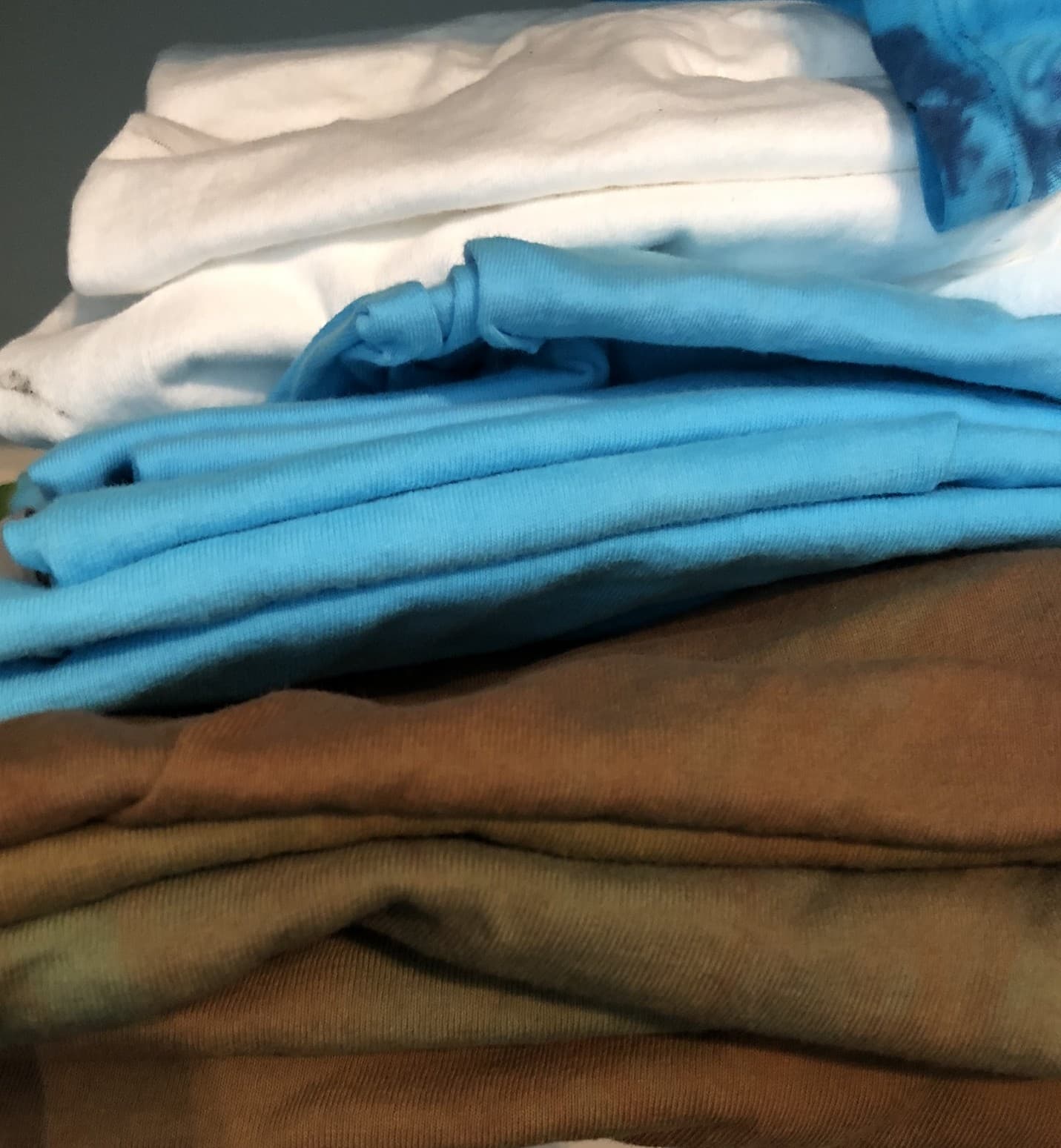
Sun & Rain Works is a small apparel outfit in Eugene, Oregon, with agricultural roots and a slow path toward farming. The wartime garden archive you just read comes from the same place as the shirts.
More from the archive
We're working through the USDA's victory garden material and marking what still holds. Occasional notes from Eugene, Oregon, an art business with agricultural roots, working its way toward farming.
We'll email you to confirm before sending anything. After that, occasional seasonal notes from Sun & Rain Works, we won't share your address, and every email has an unsubscribe link.