A Victory Garden Program for 1945
“We shall have enough food.” One sentence removes the reason the whole campaign existed, and what the government reaches for instead is the modern case for growing your own.
What this is. An 8-page program statement from the Extension Service, War Food Administration, attributed to H. W. Hochbaum, who chaired the committee behind the two previous programs. Scanned by the National Agricultural Library and hosted at the Internet Archive. Catalogued with a 1944 date despite the 1945 in its title, it was issued ahead of the season it plans for.
Why we can publish it. It is a work of the United States federal government and therefore not subject to copyright. The contributing library states the item is not in copyright.
How we transcribed it. A mimeographed typescript with OCR as poor as the 1944 program's, though the body paragraphs survive better than the headings. As there, quotations are limited to passages whose wording is unambiguous, and ellipses mark omissions rather than silent joins. One figure, a percentage in a vitamin C study of factory employees, is garbled in the scan and is described rather than quoted.
What happens when the emergency ends
The 1943 and 1944 programs rest on a shortage. This one concedes in its second paragraph that there will be enough food, and then has to make the case anyway.
What it assembles is quality, money, health, recreation and neighbourhood, which is the entire argument for home growing as it is still made today, put together in 1944 because the wartime one had expired.
The sharpest moment is a survey result the document reports against its own framing. After three years of campaigning about the war effort, the leading reason people kept a garden was that vegetables cost money.
- 01
The shortage is over
Of its timeWe shall have enough food for civilian and non-civilian use in 1945 as in 1944.
One sentence, and it dismantles the argument the two previous programs were built on. Everything after it in this document is an attempt to answer the question that follows, if the country does not need these gardens, why should anyone keep one? That the campaign asked itself this honestly, in writing, is more than most programs manage.
- 02
Why people actually gardened
Still holdsEven a small garden will yield $25 to $50 worth of fresh vegetables. In fact, this item of money saving is considered so important that 55% of the Victory gardeners interviewed in a recent survey said that this was the chief motive that impelled them to have a Victory garden.
The most useful finding in the series, and the campaign reports it against its own framing. After three years of posters about beating the Axis, the leading reason people grew food was that vegetables cost money. Anyone promoting home growing now is working with the same fact: the patriotic, environmental and wellness arguments are real, but the one that moves the most people is the grocery bill.
- 03
Planning for peacetime
Still holdsThe Department and the Federal and State Extension Services always promoted home gardening before the war and will continue to do so when peace comes again. They are concerned not only with a garden program designed for the wartime emergency but with an enduring one …
Worth knowing when victory gardens get described as a wartime invention. Extension had been promoting home food production for decades before 1941 and carried on afterwards; the war supplied urgency and a budget, not the idea. The continuity is the reason the advice in these documents is generally sound rather than improvised.
- 04
Who cannot afford vegetables
Still holdsWe know this condition exists with people who could well afford to buy fruits and vegetables needed to supply some of the required minerals and vitamins. But there are vast numbers who cannot afford the quantities of vegetables and fruits they should have.
A blunt statement of a problem that has not moved. Fresh produce is the category people cut first when money is short, and the resulting nutritional gap tracks income now as it did then. The document's answer, ground, seed and instruction rather than advice alone, is still the part most modern healthy-eating campaigns leave out.
- 05
What vacant lots became
Still holdsSo many weedy, rubbish strewn, unsightly vacant lot areas have been transformed into sightly and productive areas, that it does not seem we should go back to the old disorder. Moreover, these gardens have become centers of neighborliness and community spirit.
The clearest statement in the whole series of what community gardens do beyond producing food, and it is the argument that ultimately carried them into the present. The plea not to go back to the old disorder was mostly unsuccessful, the wartime allotment sites were largely built over, but the case made here is the one modern urban agriculture still makes, almost unchanged.
- 06
Keeping a community site running
Mostly holdsThe leaders of such projects in some areas are making it possible to bring water to such garden plots, improve the plowing and soil fitting, and are fertilizing with manures, sludge, vegetable matter.
Water, tillage and organic matter are still the three things that decide whether a shared site works, and in that order. The one item to treat carefully is sludge. Municipal sewage sludge is still applied to land under strict modern standards, but 1944 had no testing regime for the heavy metals and industrial residues that concentrate in it, and no urban gardener should follow this line as written.
- 07
Fruit at home
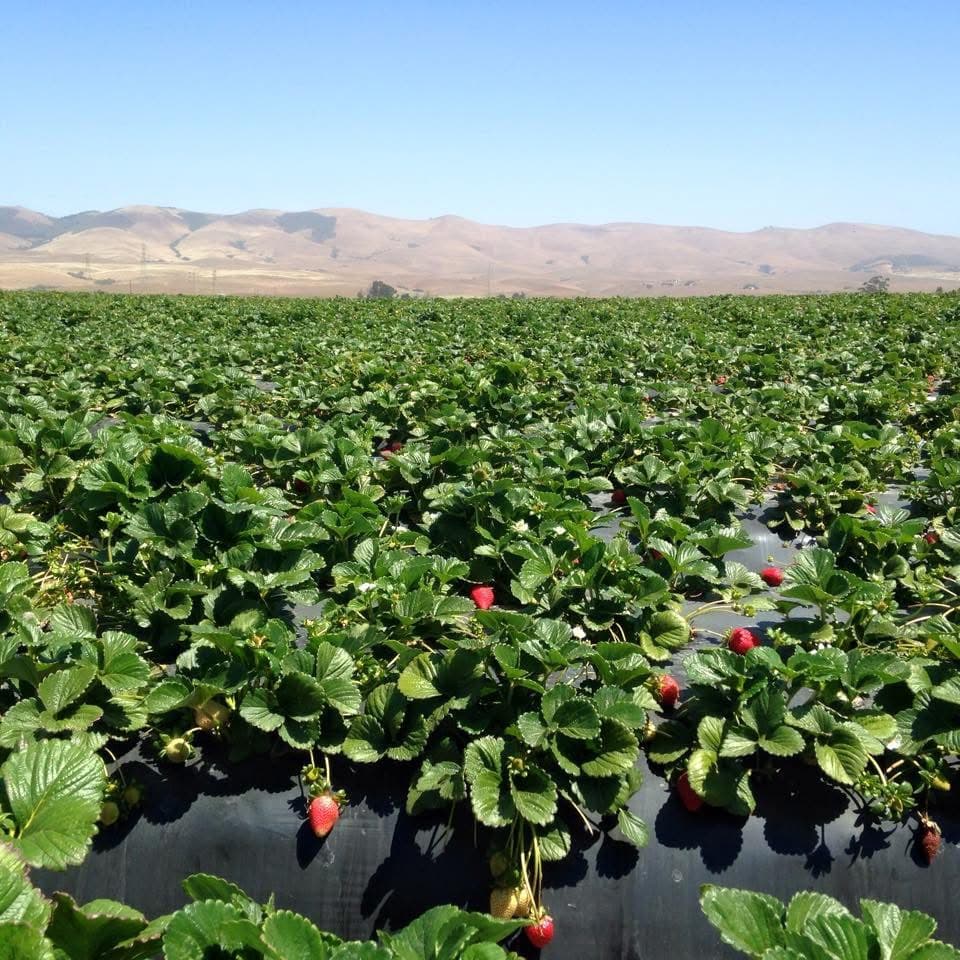
Still holdsStrawberries, bush fruits and grapes can be grown fairly easily in many, many areas. Cherries, plums and perhaps other stone fruits, likewise, are adapted to many areas. Apple and pears, because of insects and disease are more difficult to produce successfully …
The difficulty ranking is exactly right and still catches people out. Strawberries and cane fruit crop within a season or two and forgive neglect; apples and pears in a wet climate demand a spray programme and a scab-resistant variety or they produce nothing edible. West of the Cascades that is not a marginal warning, it is the whole difference between a fruiting tree and a decorative one.
- 08
Dwarf rootstock
Still holdsDwarf forms of these fruits, particularly, may be considered for small home plantations because they may be more easily sprayed and cared for than ordinary stocks.
Straightforwardly modern advice. Dwarfing rootstock is what makes a home orchard maintainable, a tree you can prune, net and pick from the ground, which crops in its third or fourth year rather than its eighth. Nearly every fruit tree sold for a garden now is on one, and this is the reasoning.
- 09
Gardens at work
Of its timeEvery encouragement should be given manufacturing plants, public utility and industrial concerns to promote and provide vegetable gardens for their employees. Better health will result because of the better food and outdoor recreation obtained, and improved personnel relations result.
Employer-provided garden plots were a real institution and have largely gone, though the corporate wellness programme is a thin descendant. The document supports the case with a study finding a substantial share of one factory's employees below a safe blood level of vitamin C, the exact figure is illegible in the scan, so it is described here rather than quoted.
- 10
Gardening in the curriculum
Still holdsThe example set by Cleveland and other cities in which gardening has a firm place in the curriculum might well be followed more generally. Much still has to be done by the schools in this field so important in building life long interests and attitudes.
Note what is being claimed: not that school gardens feed children, but that they form durable habits. That is the argument farm-to-school programmes make now, and the evidence has broadly supported it. Cleveland's school garden programme was among the largest in the country and ran for decades.
- 11
The scale it settled at
Of its timeThis year we have about 6 million farm gardens and something over 12 million non-farm gardens.
Eighteen million gardens, which is precisely the split the 1943 program set as its opening target. The campaign spent 1944 aiming at twenty-two million and reporting twenty; by 1945 it is describing eighteen. Read across the series, the numbers say the effort peaked in 1943 and 1944 and was already receding while the programs were still being written.
- 12
What to do with the momentum
Of its timeRemoving unsightly roadside stands and advertisements … Encouraging nurserymen to recommend and provide some of the more desirable kinds of plants for foundation planting and the landscaping of home grounds.
The post-war section runs to nine recommendations and ranges well past food, into housing density, waterfronts, cemeteries and roadside advertising. It reads as an organisation looking for a mission now that the emergency has ended. Some of it did arrive, the highway beautification movement of the 1960s covers similar ground, but not through this programme, which wound down instead.
“Given favorable growing weather”
The document hangs its promise of reliable vegetables on that phrase, and then leaves it there, as every one of these programs does. Weather was the variable Washington could describe but never supply.
Find your frost dates →More from the archive
We're working through the USDA's victory garden material and marking what still holds. Occasional notes from Eugene, Oregon, an art business with agricultural roots, working its way toward farming.
We'll email you to confirm before sending anything. After that, occasional seasonal notes from Sun & Rain Works, we won't share your address, and every email has an unsubscribe link.
Source: Extension Service, War Food Administration, “A Victory Garden Program for 1945 and Suggestions for a Post War Program”, 1944. Digitised by the National Agricultural Library; archive identifier CAT31066121. Public domain as a work of the U.S. federal government. Annotations are our own and are not endorsed by the USDA.
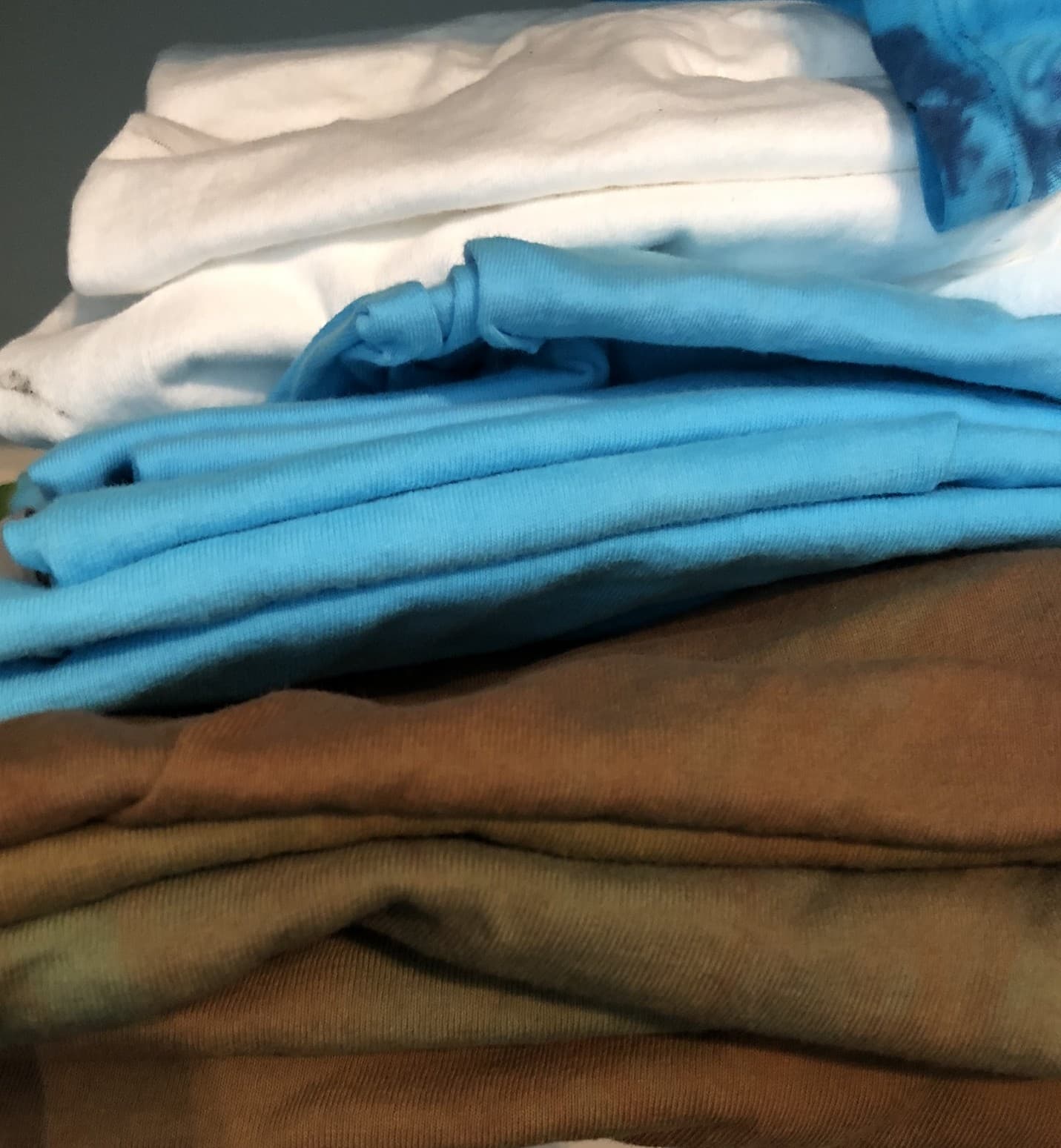
Farm rooted clothing · Est. 2005
The guides are free. The shop is the business.
Sun & Rain Works is a small apparel outfit in Eugene, Oregon, with agricultural roots and a slow path toward farming. The 1945 victory garden programme you just read comes from the same place as the shirts.