
Victory Garden Insect Guide
The document splits cleanly in two. Every method that uses a knife, a paper collar or a well-timed sowing is still recommended. Nearly every chemical in it has since been banned.
Read this first
Do not follow this document's chemical advice
Do not use any chemical named in this guide. Paris green and calcium arsenate are arsenic compounds; calomel and corrosive sublimate are mercury compounds. Both classes are acutely poisonous, and arsenic in particular does not break down, soil treated with it stays contaminated indefinitely, which is why former orchard ground is still tested for arsenic residues today. Nicotine sulfate, cryolite, rotenone and naphthalene have all since been withdrawn from garden use in the United States. We have reproduced the guide's descriptions of what these materials were for, but deliberately not its mixing instructions or doses. The non-chemical methods below are a different matter: those are still recommended, and several are now standard organic practice.
What this is. A 20-page illustrated pest guide issued by the U.S. Department of Agriculture as series AWI-95 for the 1944 season, organised by crop rather than by insect. Scanned by the National Agricultural Library and hosted at the Internet Archive.
No DDT. Worth noting, because it is what most readers expect. DDT was not released for civilian use until 1945, so this guide sits in the last season before it arrived, and what it recommends instead is in several cases older and more toxic.
How we transcribed it. The body text machine-reads well; the illustrated contents page does not, and is not quoted. The usual substitutions appear, “sguash” for “squash”, “guart” for “quart”, “insecis” for “insects”, and are repaired. Nothing else is. Everything in a quoted block is the USDA's; everything beneath it is ours.
The low technology aged better than the chemistry
Paper collars against cutworms. A tar-paper disk against cabbage maggot. Slitting a wilted vine to dig out a squash borer. Bagging fruit. A few drops of oil in the corn silk. Every one of those is still recommended by extension services, and several are now standard organic practice.
The chemicals went the other way almost without exception. Arsenic and mercury compounds, nicotine, cryolite, rotenone, all withdrawn from garden use. The two survivors are pyrethrum and bordeaux mixture, both still permitted in certified organic growing.
What makes the guide worth reading is that it opens with the right idea anyway: most insects in a garden are not doing any harm, and knowing which is which is the whole job.
- 01
Most insects are not a problem
Still holdsA knowledge of insects and their food habits will be useful in applying control measures and will also lessen the sometimes groundless fear of damage they may cause. For example, many insects that will not cause crop damage will be found in the garden, their presence being merely incidental.
This is the founding idea of integrated pest management, written decades before the term existed. The instinct on finding an insect is to kill it; the guide's first move is to tell you most of them do not matter. Everything modern IPM adds, identify before acting, set a threshold, treat only above it, is built on this sentence.
- 02
The insects on your side
Still holdsSome insects are beneficial, because they feed on other insects that are pests. Some of the beneficial insects are ladybeetles, wasps, syrphid flies, and lacewings.
The list is exactly right and would be printed unchanged today. Syrphid flies are the one most gardeners still miss, the adults look like small hoverflies and the larvae eat aphids steadily. Worth reading against the chemical sections that follow, which recommend broad-spectrum materials that would have killed every insect named here.
- 03
Cutworm collars
Still holdsNewly set plants should be protected by collars at the time of planting. The collars should be made of paper and should be about the size and weight of a 1-cent post card. … Leave ample space for air to circulate between the collar and the plant, and allow the collar to extend into the soil about 1 inch.
Still the standard remedy, still described better here than in most modern sources. The two details people get wrong are both specified: the collar must go into the soil, because the cutworm travels at the surface, and it must not grip the stem. A toilet-roll tube is the usual modern substitute and works on the same principle.
- 04
Tar-paper disks
Still holdsA 3-inch tar-paper disk — cut to the center so that it will fit snugly — if placed flat on the ground and fitted around each newly set plant, will afford protection.
Against cabbage root maggot, and it still works: the fly needs bare soil at the stem to lay in, and the disk denies it. Modern practice more often uses floating row cover over the whole bed, which is easier at scale, but the collar is the better answer for a handful of transplants. Note the guide is honest that nothing helps once the maggots are in the roots.
- 05
Seedbed instead of chemistry
Still holdsMaggot injury to newly planted beans, corn, and melon seed usually occurs during cool, wet periods when seed germination is slowed down. Prepare a good seedbed and plant shallow during warm periods to promote rapid germination of the seed.
The best pest advice in the guide, and it involves no products at all. Seed is vulnerable for exactly as long as it takes to germinate, so warming the soil and sowing shallow shortens the window rather than defending it. Sowing beans and corn into cold wet ground is still the commonest cause of a patchy row.
- 06
Oil in the corn silk
Still holdsStop them with a medicinal mineral oil … Place the oil in the silk about one-half inch inside the tip of the ear. … Wait at least 3 days after the silks first appear at the tip of the ear before applying the oil. By that time the silks should be wilted and the tips beginning to turn brown. Earlier treatment will damage the ear, and later treatment may not give good control.
Still recommended by extension services for organic earworm control, and the timing is the part that matters, the same three-day rule, for the same reason. Apply too early and pollination is disrupted, giving a poorly filled ear; too late and the caterpillar is already inside. Most modern write-ups of this technique are less precise than the 1944 one.
- 07
Digging out the borer
Still holdsBorers can often be located in wilted vines by the yellow, waxy material near the point where they cut through the stem. Slit the stem at this point with a sharp knife, and crush or remove the borers. Immediately cover the stem with moist earth to prevent drying of the injured plant tissue.
Unchanged surgery for squash vine borer, down to the aftercare. Burying the slit stem lets the vine root from that node, which is what saves the plant. Given the guide's alternative was a nicotine spray, the knife has aged considerably better.
- 08
Bagging the fruit
Still holdsEnclosing fruit clusters in paper bags will offer some protection.
A one-line mention of what is now a well-established technique, particularly for tree fruit, bagging developed apples excludes codling moth entirely without a spray. Labour-intensive, which is why it stayed a home-garden method rather than a commercial one.
- 09
Knowing when you cannot win
Still holdsNo means of control on the growing crop is known, as any soil treatment sufficient to kill the worms will injure the plants. … Avoid planting carrots, onions, and other root crops on soil known to be infested.
On wireworms and white grubs, and the honesty is the valuable part, a guide willing to say a problem cannot be solved mid-season is more trustworthy than one with an answer for everything. The recommendation to plant something else on infested ground is still the right one. Ignore the naphthalene soil treatment the same passage goes on to describe.
- 10
Arsenic in the garden
SupersededArsenicals, such as calcium arsenate and paris green, are sometimes used to protect garden vegetables, but in some areas they cause injury to more tender plants. Such insecticides should not be used on the edible part of the plant.
Arsenic compounds were ordinary garden products in 1944 and are now prohibited for this use. The warning here is about leaf burn and residue on food; the concern that ended their use is longer-lived. Arsenic does not degrade, so it accumulates in soil permanently, land that was orchard or market garden in this era is still tested for residues before houses or allotments go on it. If you garden on old growing ground, this is one of the reasons a soil test is worth the money.
- 11
Mercury as a seed treatment
SupersededPreventive measures such as treating the seed with a mercury compound before planting may afford some protection. … If maggots threaten the crop, a mercury treatment of calomel or corrosive sublimate may be applied to the soil around the plants.
Mercury compounds applied to soil around food crops, recommended to home gardeners. Both named materials are banned as pesticides and both are seriously toxic, corrosive sublimate, mercuric chloride, was a common poison of the period in more than one sense. The guide's own caution, not to breathe the dust, gives some idea of how these were handled. Use the tar-paper disk from the same page instead; it addresses the identical problem.
- 12
Nicotine and cryolite
SupersededNicotine sulfate, used to control a number of insects, especially plant lice, is expected to be available in quantity sufficient to meet the demand by Victory gardeners. … Cryolite gives good control for many chewing insects, and the national supply is expected to be adequate.
Both have since been withdrawn from garden use in the United States. Nicotine is acutely toxic through the skin, which is not obvious from a product sold for aphids, and cryolite is a fluoride compound whose food-crop registrations were cancelled. For aphids specifically, the modern answer is closer to the guide's own opening advice, check whether the population is actually damaging anything, and encourage the ladybeetles and lacewings it lists.
- 13
What survived
Mostly holdsRotenone and pyrethrum are excellent garden insecticides, but the supply, especially of pyrethrum, is limited. These materials, if available, should be restricted to use on vegetables, at the time the edible parts are forming, for insects that cannot be controlled by other measures.
Half of this stands. Pyrethrins are still registered and still used, including in certified organic growing. Rotenone went the other way, once an organic staple, its US registrations were withdrawn after its toxicity was re-examined. The framing, though, is the modern one: reserve any insecticide for problems that other measures could not handle. That is the reduced-risk principle, stated in 1944 because the supply was rationed rather than because the chemistry was suspect.
- 14
Washing what you sprayed
Of its timeDusted tomato fruits should be washed thoroughly before they are eaten or marketed.
An early form of the pre-harvest interval, the gap between last application and picking that every modern product label specifies in days. In 1944 the instruction was simply to wash it off, which for a surface dust is partly effective and for a systemic material would not be. That the guide says this at all shows residue on food was already understood as a problem worth managing.
“Plant shallow during warm periods”
The guide's best pest advice involves no products at all, sow when the soil is warm enough for the seed to get away quickly, and the vulnerable window closes on its own. Which requires knowing when your soil is actually warm.
Find your frost dates →More from the archive
We're working through the USDA's victory garden material and marking what still holds. Occasional notes from Eugene, Oregon, an art business with agricultural roots, working its way toward farming.
We'll email you to confirm before sending anything. After that, occasional seasonal notes from Sun & Rain Works, we won't share your address, and every email has an unsubscribe link.
Source: U.S. Department of Agriculture, “Victory Garden Insect Guide”, series AWI-95, 1944. Digitised by the National Agricultural Library; archive identifier victorygardenins95unit. Public domain as a work of the U.S. federal government. Annotations are our own and are not endorsed by the USDA. Nothing on this page is pesticide guidance, for current recommendations, consult your state extension service.
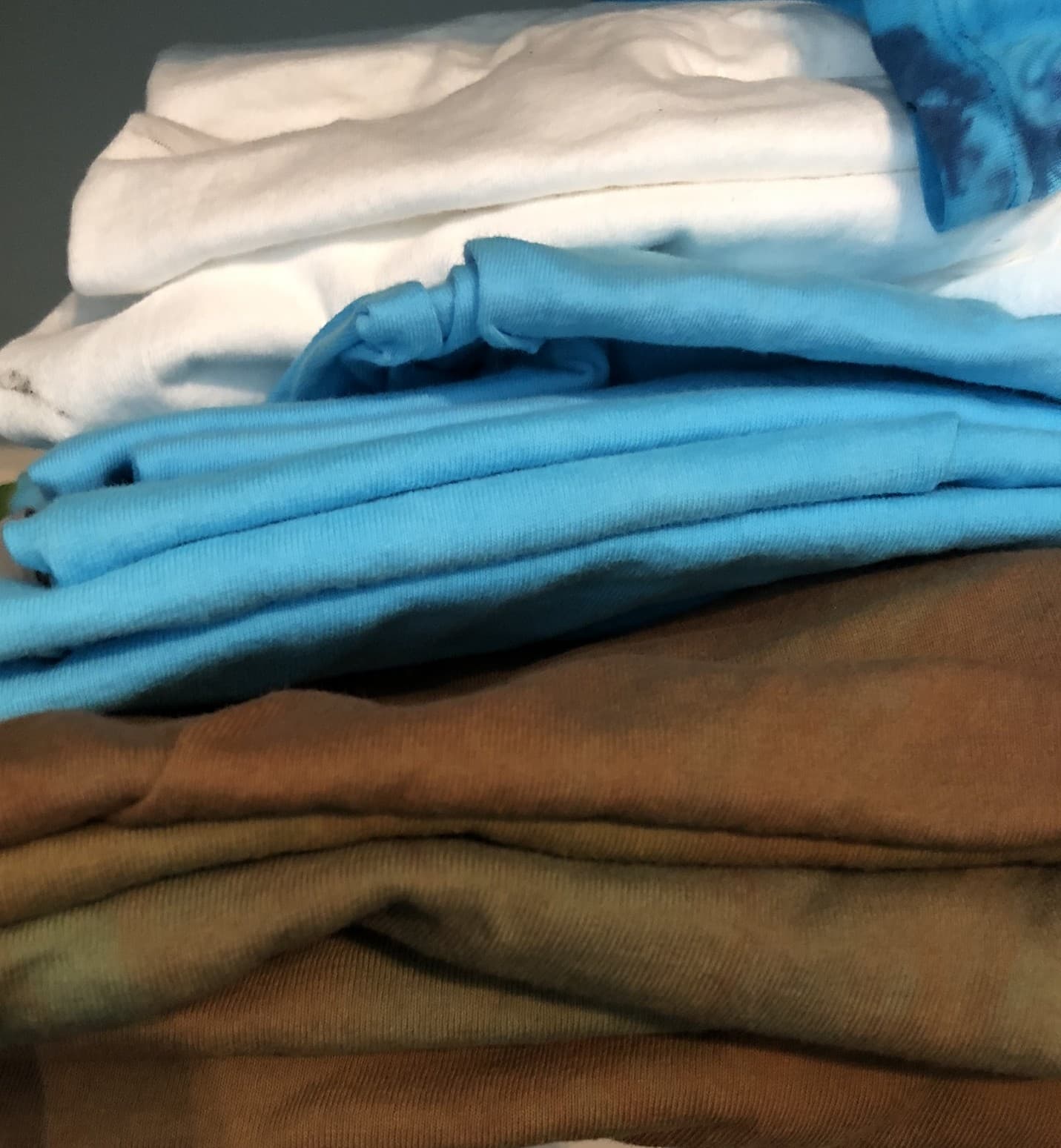
Farm rooted clothing · Est. 2005
The guides are free. The shop is the business.
Sun & Rain Works is a small apparel outfit in Eugene, Oregon, with agricultural roots and a slow path toward farming. The 1944 insect guide you just read comes from the same place as the shirts.