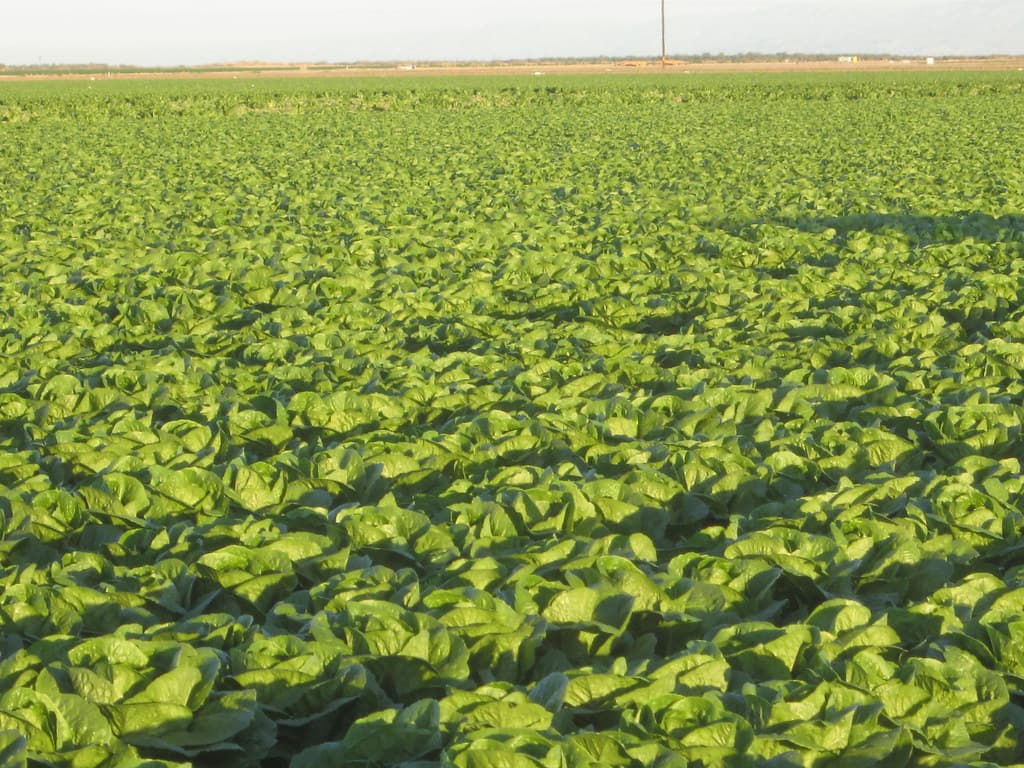
Making the case
Sixteen broadcasts of goals, totals and examples. Four years, four different arguments for the same activity, and the survey data the instructional scripts never carry.
What this is. 16 USDA radio scripts from 1943 to 1946, the last and largest themed group drawn from the archive's loose broadcasts, and the one with the least horticulture in it. We read all 16 and quote 15. Scanned by the National Agricultural Library; every script is listed and linked at the foot of this page.
Why persuasion is worth reading. Two reasons. This is where the campaign's checkable numbers live, eight million tons of food, a survey of 1,444 gardens with the popularity of every crop in it. And it is where you can watch the premise change: the war, then the food supply, then the grocery bill, then health, and finally the 1946 famine. One activity, four arguments.
It corrected us. “To Grow or Not to Grow”, 11 February 1944, carries the sunlight exception we had credited to a February 1945 script when we published the garden-year group. Eleven months, not two years. That page has been amended and the correction is annotated below rather than made quietly, reading an archive out of order produces confident statements the next document falsifies, and the only defence is to say so.
How we transcribed them. The worst scans in the archive are here. “Rural Women Find Ways to Be More Self-Sufficient” is barely machine-readable in places and only its clear passages are quoted; where a passage could not be read with confidence it is not quoted at all. “19^-5” for the year, “hone” for “home”, “vre” for “we”, repaired, and nothing else.
A recruitment campaign telling people not to enlist
In the year it was asking for twenty-two million gardens, the Department broadcast a script warning listeners off starting one unless they would see it through. An abandoned garden is worse than no garden, it consumed seed, ground, water and somebody's spring.
The rest of the group is stories and numbers. A Nebraska farm woman starting four hundred tomato plants in a derelict car with a trap door cut in the roof for ventilation. Mrs Pearl Ott of Chicago draining a twenty-five-acre community garden by hand, three times, in water up to her hips. Seven department-store colleagues working an acre before and after shop hours and putting up three thousand jars.
And a Bureau of Agricultural Economics survey of 1,444 gardens whose findings would still describe a home-gardening survey taken today.
- 01
Don't start unless you will finish
Still holdsBut — before you begin a garden, make sure your plans are based on more than a passing enthusiasm. Make sure that if you begin, you'll follow through. In wartime, the energy, time, and materials that go into a garden are all too valuable an investment to be squandered. First of all, ask yourself, “Have I time for a garden?”... unless you are prepared to give a garden the attention it needs — about an hour a day for a small-family-size plot — you won't do justice to your investment.
A recruitment campaign telling people not to enlist, in the year it was asking for twenty-two million gardens. The reasoning is sound and it is the honest answer to the question most beginners are not asked: an abandoned garden is worse than no garden, because it consumed seed, ground, water and somebody's spring. The hour a day is the same figure the 1943 policy statement gives, which makes it the most consistently repeated number in the whole campaign.
- 02
Where the sunlight rule got its exception
Still holdsMost vegetables need at least six hours of sun a day. If your lot's in between buildings, or if it's wooded, so the sun shines on it six hours or less, don't expect much success with such crops as tomatoes, eggplants, peppers, and lima beans. The leafy crops — lettuce, spinach, and the like — will tolerate a little shade better than the fruit- and seed-bearing crops.
We credited a February 1945 script with this correction and were eleven months out. Here it is in February 1944, in almost the same words, which means the Department revised the flat 1943 claim inside a year rather than over two. The garden-year page has been amended. Worth recording as a method note as well as a fact: reading an archive out of order produces confident statements that the next document quietly falsifies, and the only defence is to correct them in public.
- 03
The jalopy hotbed
Still holdsTake the Nebraska farm woman who turned a jalopy into a hotbed for her Victory garden. Generous-sized windows of the old-model car made a greenhouse. A trap door in the roof provided ventilation. As its first job on the food front, the ex-car was used in starting 400 tomato plants.
It works, and the detail that shows somebody had actually done it is the trap door. A glazed box in March gains heat far faster than it loses it, and the commonest way to kill a tray of seedlings in a homemade cold frame is to leave it shut on a bright day and cook them. Ventilation is not a refinement, it is the difference between a hotbed and an oven. Four hundred tomato plants out of a derelict car is also a fair answer to anyone who thinks a propagator is a prerequisite.
- 04
Mrs Ott and the twenty-five acres
Of its timeIt wasn't easy to make the garden a success. For one thing, the soil was heavy clay, hard to work. Another big difficulty was floods. Three times, heavy rains flooded the garden, washing out crops and rotting seeds. Each time, the gardeners had to go out and dig ditches to drain the land. And Mrs Ott was right in the lead, even though one time the flood was so deep she was working in water up to her hips... she gave up her job — because, as she said, “We don't need the money so much as this community needs the food.”
The second Chicago community garden in this archive, alongside the Avalon Park scheme on the old city dump described on Consumer Time the following November, and the two together say something the campaign's own statistics do not. Community gardens did not happen because a federal target existed. They happened where one person did an unreasonable amount of unpaid organising, and both stories are about somebody who took land nobody wanted and made other people believe in it. The 25-acre plat drawn by her draftsman son and distributed as blueprints is the sort of detail no policy document records.
- 05
Keep a notebook while it is fresh
Still holdsWho got the vegetables, you or the bugs?... What insects gave you trouble this year? About when did you first see them? What vegetables did they attack? Was the weather unusually dry or wet, cool or hot when they appeared in numbers? These are items of importance in your garden record. They will help you recognize the situations in which you might expect bug trouble to be coming on, next year.
This is pest scouting, and the questions are the right ones in the right order, what, when, on which crop, in what weather. Correlating an outbreak with conditions rather than with a date is the sophisticated part, because insects run on accumulated warmth rather than the calendar, so a cold spring moves everything and a written record is what lets you notice. Any extension service would hand you the same four questions today, generally on a printed form.
- 06
Why the notebook is necessary
Still holdsOf course, you didn't solve all your gardening problems. No matter how much you planned nor how hard you worked. The bugs and the weeds and the weather took their toll. But looking back now, it's easier to recall the successes than the failures.
Written as consolation and functioning as a warning, and it lands harder read a month after the broadcast above. The Department spent September telling gardeners to write down what went wrong, and in October explains exactly why they will not otherwise remember it. A season edits itself down to the early snap beans and the good potato hill; the fortnight of flea beetle and the row of carrots that never came up are gone by Christmas, which is how the same mistake gets made three years running.
- 07
What people actually grew
Still holdsHere are the results from a survey of 1,444 gardens made by the Bureau of Agricultural Economics... Tomatoes top the list. Nineteen out of twenty gardens in both town and country grew them. Beans, snap and wax, rated high. Also onions. Ninety percent of the farm gardens had onions, and 72 percent of the town and city ones... The crops that take a lot of room, like potatoes, squash, melons, cabbage, sweetpotatoes and cucumbers were more popular in the country.
Actual survey data rather than exhortation, and the shape of it has barely moved. Tomatoes still top every home-gardening survey taken since, usually by a similar margin, and the town-versus-country split still falls along exactly the line drawn here: space-hungry storage crops belong to whoever has the ground, and everyone else grows what pays per square foot. A gardener reading this in 1945 was being told what their neighbours did, which is a more useful planning input than being told what they ought to do.
- 08
Fifty percent more green and yellow vegetables
Mostly holdsLast year, the nutritionists of the United States Department of Agriculture made a study of the American diet and found that the average person in this country could not get fruits and vegetables in the amounts needed. There just weren't enough to be had. For an adequate diet, the average American needed 50 percent more green and yellow vegetables.
The gap is still there and the reason has inverted, which makes this one of the more uncomfortable documents to read now. In 1945 the shortfall was supply, the vegetables did not exist to be eaten. Today the supply is abundant year-round and the shortfall persists anyway: by the CDC's own measurement the large majority of American adults do not meet the recommended vegetable intake. A campaign that solved the 1945 version of this problem would not touch the present one, because it is no longer a production problem.
- 09
Seven families and one acre
Still holdsEveryday, some of the seven would work in the garden. The time? Oh, they'd do it before the store opened, or after it closed... Enough vegetables came off it to supply all seven families during the summer and fall. Enough was sold off it to cut their gardening expenses in half. What's more, before the end of the season, they'd put up 3 thousand cans of vegetables... They'd wrapped enough tomatoes to last them until the first of December and they'd put up 50 gallons of kraut along with storing a hundred cabbage heads.
The most concrete production record in the archive, and the two details that make it credible are the ones a propagandist would have left out. They worked before the shop opened and after it closed, because seven households sharing one acre is the only arrangement under which that is survivable. And they sold enough to halve their costs, which means the acre was producing well past what seven families could eat, the real economics of a shared plot, stated plainly. Three thousand jars is roughly four hundred each, which was ordinary for a household expecting to eat from a pantry all winter.
- 10
Half a billion off the grocery bill
Of its timeVictory gardens really lived up to their name in 1943. They produced eight million tons of food to help win the war. Not only that — if you figure each garden produced twenty-five dollars' worth of vegetables, the victory gardeners this year hoed half a billion dollars off the nation's grocery bill... In 1943 the government asked for eighteen million victory gardens. And twenty million gardeners responded.
Worth reading for the arithmetic showing its working, which is unusual and slightly disarming: twenty million gardens times an assumed twenty-five dollars gives the headline. The assumption is doing all the labour, and nobody says where the twenty-five came from. Set it beside the 1944 programme document, which claims twenty million gardens produced forty percent of America's fresh vegetables that year, and you have the campaign's two big numbers, both plausible, both resting on estimates the published documents never show.
- 11
The garden as a war plant
Still holdsIf you were in charge of a war plant turning out materials for our boys at the front, you wouldn't think of running the plant only part time. No indeed, it'd be all-out, full-time production. But what about that Victory garden? After all, it's a war plant, a backyard war plant. Some gardens produce only three months in the year, while others are run on a six month to year-round basis.
The metaphor is wartime and the point underneath it is permanent: most gardens are idle for most of the year, and the fix is planning rather than effort. The script goes on to make the argument properly, draw the plan on paper, and grow the amounts you can actually use at the times you want them, rather than growing something for the sake of it. Its example is the one everybody recognises, which is sowing the whole packet of lettuce on one Saturday in April.
- 12
Why the 1945 scripts are short
Of its timeThe Chats will be mailed daily instead of once a week and they'll be for release upon receipt. They'll continue to appear on the traditional pink sheets. Your comments and suggestions will be appreciated.
An editorial notice at the head of a script, and it solves a puzzle that runs through two other pages in this archive. From February 1945 the Homemakers' Chat went daily, short, and released on receipt rather than to a broadcast date, which is why so much of the 1945 material here is four hundred words long, why it carries a stamped release date instead of an air date, and why several scripts have no legible date at all and are cited by title. Production changes leave marks on a collection, and this is the only document that explains its own.
- 13
It's cheaper to grow your own
Mostly holdsThe homemaker who grows and puts up part of her own vegetable supply is sure of having what she'll want. She isn't dependent on weather in other parts of the country or on overloaded transportation facilities... Another thing. Even with a small garden, the homemaker can save on her grocery bill. It's cheaper to grow your own. But not only is it cheaper, it's fun.
Both claims survive, unevenly. Independence from a supply chain is the argument that has aged best and it is why people garden after a shortage rather than during one. Cheaper is true of some crops and comically false of others: salad leaves, herbs and any tomato worth eating repay the ground many times over, while potatoes, onions and dry beans cost more to grow than to buy once you count seed, water and a season of ground. Grow the expensive things and the things that do not travel.
- 14
Goals reported as news
Of its timeWithout fail, the garden goals in those states are at least as large as they were last year. In many of the states, the goals are larger. California, for example, had three quarters of a million gardens last year but the goal there calls for a full million gardens this year… North Carolina, Alabama, Kentucky and Oregon report greater and more widespread interest and activity in gardens so far this year.
Worth reading for what it is rather than what it says. Every figure here is a goal or an impression, targets set by state committees, and states “reporting greater interest”, delivered in the register of a news bulletin, and the broadcast concludes from them that this will be a banner year. That is how a campaign’s numbers are made before they are measured, and it is a useful corrective to the confident totals elsewhere in this group. Oregon appears in the list, which is the only time our own state is named anywhere in the archive.
- 15
Nearly half of Rhode Island
Of its timeLast year, the club members in this country put enough acreage in Victory Gardens to cover almost half the state of Rhode Island. This year, they plan to have 15 percent more than they had then... the girls in the club have set themselves a goal for canning. It calls for 2 million more quarts of meats, fruits and vegetables than they put up last year. And last year they canned almost 20 million quarts of food.
4-H club members, children and teenagers, canning twenty million quarts in a year, and gardening an area measured against a state. The comparison is the campaign's favourite rhetorical device and it is doing real work here, because acreage figures are otherwise unimaginable. What the broadcast does not mention, and the archive elsewhere does, is that this was organised labour on a national scale performed by minors, which the Victory Farm Volunteers episode of Consumer Time addresses more directly.
- 16
The famine year
Of its timeFrom President Truman: “Food is still one of the most vital weapons in securing a lasting and stable peace. Growing more home gardens is one way to help. Every pound of food eaten fresh from the garden, or preserved for use next winter, will release an equivalent amount of food to be shipped to the starving millions.” ... “Gardens will help us conserve wheat by providing extra vegetables to make up for less bread and cereal.”
The campaign's last premise, and the most specific one it ever had. The 1946 famine across Europe and Asia was real and enormous, and the mechanism named here is genuine rather than rhetorical: American wheat was the exportable commodity, so eating vegetables at home to eat less bread freed grain for shipment. Whether a household's beans measurably reached a starving city is another question, and the Famine Emergency Committee's own framing, cushion against shortages, enable donation to relief collections, is more careful than the President's.
The archive is now read
This group finishes the radio material, all 46 broadcasts, the 19 Question Box scripts and the 7 Consumer Time dramas. What remains is bulletins. The advice they carry has been carried forward into the crop guides, where it sits beside modern sources rather than on its own.
All 16 broadcasts
In order, each linked to its scan. Marked scripts are quoted above; the rest we read and took nothing from, which is worth saying rather than leaving them off the list.
- March 3, 1943Quoted
Farm women improvising: a Nebraska jalopy converted into a hotbed, a South Carolina one into a chick brooder, and shelves built to double a store of home-canned food.
- October 22, 1943Quoted
The season's totals and the target for 1944, eight million tons of food, and a claim about what it took off the national grocery bill.
- February 11, 1944Quoted
The one broadcast that argues against starting. Also where the six-hours-of-sun rule first gets its exception for leaf crops.
- February 25, 1944Quoted
Mrs Pearl Ott of Portage Park, Chicago, who organised a 25-acre community garden, drained it by hand after three floods, and gave up her paid job to run it.
- September 13, 1944Quoted
Keep a garden notebook while the season is fresh: which insects, when they appeared, what they attacked, and what the weather was doing.
- October 19, 1944Quoted
A season in retrospect, and an unintentionally sharp observation about how memory edits a garden year.
- February 9, 1945Quoted
Results of a Bureau of Agricultural Economics survey of 1,444 gardens, which crops people actually grew, split between town and farm.
- February 23, 1945Quoted
A USDA study finding the average American could not obtain the fruit and vegetables an adequate diet needed, and needed fifty percent more green and yellow vegetables.
- March 2, 1945Quoted
State-by-state garden goals for 1945, including California's target of a million gardens and Oregon reporting greater interest.
- March 15, 1945Quoted
4-H club production goals: victory garden acreage covering nearly half of Rhode Island, and twenty million quarts canned.
- March 30, 1945Quoted
A late recruiting spot, arguing from independence from transport and weather elsewhere, and from the grocery bill.
- “Why Garden in 1945”Quoted
Two women overheard in a grocery store, and, in the masthead, the notice explaining why the 1945 scripts are short, daily and undated.
Seven department-store colleagues working an acre together before and after shop hours, with the yield and the economics stated.
A presidential statement read out in full, calling on gardeners and home canners to continue. Ceremonial; read and not quoted.
- “Full Time Production”Quoted
The garden as a backyard war plant that ought not to run part-time, succession sowing argued from industrial productivity.
- “The Need Is Great”Quoted
The campaign's final premise: quotations from President Truman and the chairman of the Famine Emergency Committee on the 1946 world food crisis.
More from the archive
We're working through the USDA's victory garden material and marking what still holds. Occasional notes from Eugene, Oregon, an art business with agricultural roots, working its way toward farming.
We'll email you to confirm before sending anything. After that, occasional seasonal notes from Sun & Rain Works, we won't share your address, and every email has an unsubscribe link.
Sources: U.S. Department of Agriculture, Office of Information, 16 radio scripts 1943–1946. Digitised by the National Agricultural Library; archive identifiers are linked above. Public domain as works of the U.S. federal government. Annotations are our own and are not endorsed by the USDA.
Farm rooted clothing · Est. 2005
The guides are free. The shop is the business.
Sun & Rain Works is a small apparel outfit in Eugene, Oregon, with agricultural roots and a slow path toward farming. The wartime radio broadcast you just read comes from the same place as the shirts.