
1917–1919
Where the name came from
“Victory garden” is twenty-five years older than the campaign it is remembered for. It shows up in 1919, after the armistice, on pamphlets arguing that Americans should keep growing food because Europe was starving.
One organisation, three names
The First World War campaign was run by a private body funded by Charles Lathrop Pack, a timber millionaire. It was not a government agency; it lobbied, printed and cajoled. And it renamed itself twice in three years, with each name printed on the books it published that year.
- 1917National Emergency Food Garden CommissionAn emergency. Nothing about war, nothing about victory.
- 1918National War Garden CommissionAmerica is in the war. The gardens are war gardens, and stay war gardens for two more printings.
- 1919National War Garden CommissionThe body keeps its name, but the canning manual is reissued as the “Victory edition 1919”, and Pack publishes Victory Gardens Feed the Hungry. The war is over; the gardens are renamed for the peace.
What we are not claiming is that the phrase was invented here. Three commercial seed catalogues use it in the same year, which suggests it was already going around. What the imprints do show is that 1919 is when the campaign itself switched, and that the switch happened after the fighting stopped rather than during it.
That matters for what the words meant. A victory garden was not, originally, a garden that helped win a war. It was a garden you kept digging once the war was already won, because people elsewhere were hungry.
The argument comes back in 1946
Read the USDA's annual programs in order and you watch a campaign run out of reasons. Military supply, then yield, then household economy, and finally, in the last year, when nothing else is left, famine relief abroad.
Which is where the name started. The 1946 program arrives, by a different route and a generation later, at the exact argument Pack was making in 1919. Neither document mentions the other.
The eleven documents
Everything the commission published that survives in scanned form, grouped by year so the imprint change is visible down the page. Several were scanned more than once by different libraries , “The War Garden Guyed” five times, and where that happened the duplicates are noted rather than hidden.
None of these is annotated yet. They are listed because the scans are free and a reader should not have to wait for us.
1917
National Emergency Food Garden Commission
- Manual for Home Storage, Pickling, Fermentation and Salting Vegetables · 18ppScan
Storage before refrigeration was general: pits, clamps, brine crocks and sand boxes. The least superseded document in either war's output, because none of it depended on technology that has since changed.
- Home Drying Manual for Vegetables and Fruits · 32ppScan
Drying was pushed hardest of all the preserving methods, because it needed neither the tin nor the sugar the war had taken.
Also scanned as homedryingmanual00nati_0
- Raking the Gardener and Canning the Canner · 20ppScan
A collection of newspaper cartoons and jokes at the expense of amateur gardeners, published by the organisation running the campaign. Evidence that it knew perfectly well how it was being received.
1918
National War Garden Commission
- War Vegetable Gardening and the Home Storage of Vegetables · 40ppScan
The campaign's flagship manual, and the direct ancestor of everything the USDA published in the 1940s. Read alongside the 1943 Leader's Handbook, the inheritance is unmistakable.
Also scanned as warvegetablegar00commgoog
- Home Canning and Drying of Vegetables and Fruits · 42ppScan
The wartime edition. Worth holding beside the 1919 reissue below, which is the same book with a different word on the cover.
Also scanned as homecanningdryin00nati, homecanningdryi00nati
- The War Garden Guyed · 36ppScan
“Guyed” meaning mocked. A second humour volume, and the strangest object in either archive: propaganda that leads with its own ridicule. Scanned five times by three institutions, which suggests it was popular.
Also scanned as wargardenguyed00nati, CAT10946895, wargardenguyed01commgoog, wargardenguyed00commgoog
1919
National War Garden Commission
- Victory Gardens Feed the Hungry · 32ppScan
The document this page exists for. Written by the commission's chairman after the armistice, arguing that peace, not war, is the reason to keep growing, because Europe is starving. The earliest use of the phrase we have found.
- Home Canning and Drying of Vegetables and Fruits (Victory Edition) · 40ppScan
The 1918 manual, reissued with "Victory edition 1919" printed at the head of the title. The rebrand caught in the act, on a book whose contents did not change.
Also scanned as homecanningdryin01nati
- War Gardening and Home Storage of Vegetables · 40ppScan
The 1919 revision of the flagship manual, still titled “war gardening” in the year the same body was printing “victory” on everything else. The two names ran side by side for a season.
- War Gardening and Home Storage of Vegetables for the Southern States · 40ppScan
A regional edition for the South, with its own planting calendar. The USDA would not attempt regionalised victory garden advice at this level of detail until the 1940s.
- Food Drying: Progress and Importance · 36ppScan
Part report, part sales pitch for drying as a national habit worth keeping in peacetime. It did not take, and the argument was made again, almost unchanged, in 1943.
Also scanned as fooddryingprogre00nati, fooddryingprogr00commgoog
On rights
These are not federal government works, so the exemption that covers the USDA material does not apply to them. They are public domain by age instead, all were published between 1917 and 1919, and the Library of Congress states it is unaware of any copyright restrictions on the copies it scanned.
More from the archive
We're working through the USDA's victory garden material and marking what still holds. Occasional notes from Eugene, Oregon, an art business with agricultural roots, working its way toward farming.
We'll email you to confirm before sending anything. After that, occasional seasonal notes from Sun & Rain Works, we won't share your address, and every email has an unsubscribe link.
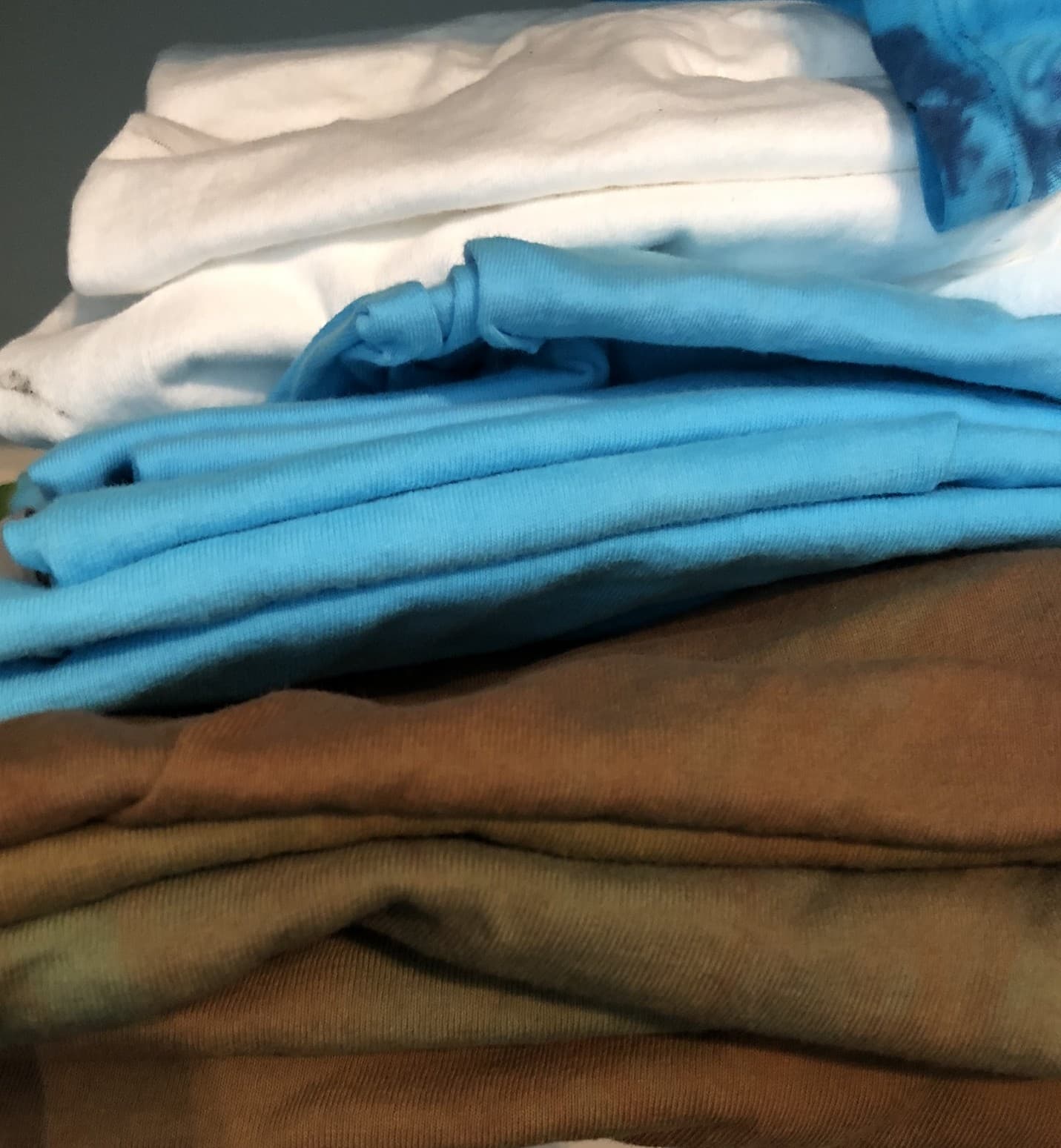
Farm rooted clothing · Est. 2005
The guides are free. The shop is the business.
Sun & Rain Works is a small apparel outfit in Eugene, Oregon, with agricultural roots and a slow path toward farming. The war garden history you just read comes from the same place as the shirts.