Planning and starting
What a household heard in January, February and March, before anything was in the ground. How big a plot one person can keep, when the soil is fit to dig, and how long before the last frost to sow.
What this is. 5 USDA bulletins from 1942 to 1944, the pre-season material, and the earliest in the archive. We read all 5 and quote 5. Scanned by the National Agricultural Library; every one is listed and linked at the foot of this page.
Two of them share a title. “Plan Your Victory Garden Now” exists twice, as different scripts eight weeks apart in 1944, and putting them side by side is what exposed the archive's most awkward fact.
The Department never settled how much sun. March 1943 says six hours and no exceptions. January 1944 says five. February 1944 says six with leaf crops excepted. March 1944 says six again. We already corrected one claim about this thread, having credited the exception to a 1945 script. The fuller truth is that it was never one revision, it was a number that drifted, in a campaign whose scripts were written by different people and not checked against each other. Worth knowing before quoting any single figure from an archive as though it were the position.
How we transcribed them. Mimeographed typescript: “8ail” for “soil”, “pl%nt” for “plant”, “snapely” for “shapely”, “oxes” for “boxes”. Repaired, and nothing else. One line has collapsed past reading and is not quoted. Everything in a quoted block is the USDA's; everything beneath it is ours.
Squeeze a handful
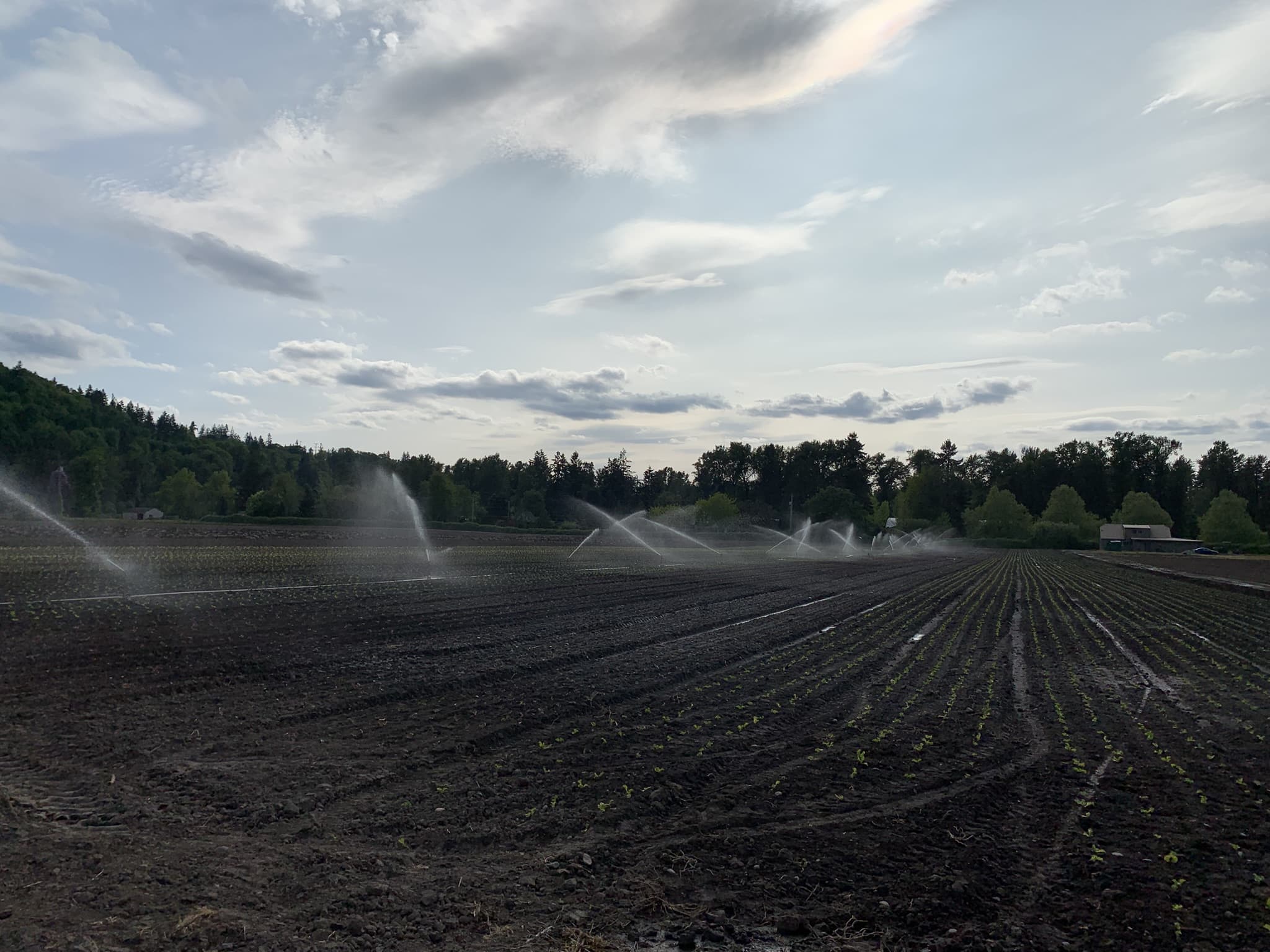
If it crumbles, dig. If it is sticky, wait. One sentence from March 1944, unchanged since, and the single most useful thing in these five for anyone gardening west of the Cascades, where the temptation to dig on the first dry weekend is enormous and the ground underneath is still saturated.
The rest is the arithmetic of a season before it starts. Thirty by fifty feet is what one person with a job can keep, and enough to feed a family with some over for canning. Around three thousand square feet, hand tools stop being sufficient and you need either a machine or more people. A community plot you have to travel to gets neglected, and the reason is geography rather than character.
- 01
How big a garden one person can keep
Still holdsA small plot well kept is much better than a big one neglected... A man who must do all his gardening after working hours Saturday afternoon will be wise not to plan for a garden larger than about 30 by 50 feet, unless his family can help with the garden work. A garden 30 by 50 can yield enough fresh vegetables to supply the average family all season and some extra for canning.
The most useful sizing figure in the archive, and it is stated the right way round, starting from the hours available rather than from the ground available. Fifteen hundred square feet is still a fair answer to “how much can one person with a job actually look after”, and the claim that it will feed a family through the season with a surplus to can is defensible for a well-run plot. The first sentence is the one worth keeping on a card: every gardener's second year is smaller than their first for a reason.
- 02
Where hand work stops
Still holdsA garden 30 by 50, or 30 by 100 you can work by hand. But when the garden gets up around 100 by 150 feet in size, then you'll need to work it with a horse or a small garden tractor, unless, of course, it's a cooperative garden with many hands making light work.
The threshold is real and the units have only changed name. Somewhere around three thousand square feet, a spade and a hoe stop being sufficient and the job needs either machinery or more people, which is the arithmetic behind every community garden in this archive, including the twenty-five acres Mrs Ott organised in Chicago and the acre worked by seven department-store families. The alternative to a tractor was never a bigger effort; it was more hands.
- 03
The squeeze test
Still holdsBegin as soon as the ground is dry enough — you can tell by squeezing a handful of earth. If it crumbles, it's dry enough — but if it's sticky, wait a while longer. Don't make the mistake of working the soil when it's wet. It may get hard and full of clods. Sandy light soils dry out earlier than heavy, clay-ey ones.
Unchanged, still taught in exactly these words, and the single most valuable sentence in this group for anyone gardening west of the Cascades, where the temptation to dig on the first dry weekend in March is enormous and the ground underneath is still saturated. Working wet clay destroys the crumb structure by smearing the particles together, and what you get is not a bad season but a bad several: the clods set like pottery and the damage outlasts the crop. Squeeze a handful. If it holds a fingerprint and stays in a ball, come back in a week.
- 04
Five hours, or six
Mostly holdsThe first step is picking out your location — a place that will get at least five full hours of sunlight every sunny day.
Five, and eight weeks later a script under the identical title says six, and the March 1943 broadcast says six with no exceptions while February 1944 says six with leaf crops excepted. Four documents, three numbers, one campaign. We have already corrected one confident statement about this thread on the garden-year page, and the honest reading is that the Department never settled it, these scripts were written by different hands and not checked against each other. The practical answer is the one only the February 1944 script gives: it depends what you are growing, six hours is the floor for a fruiting crop, and leaf crops manage on less.
- 05
Distance is what kills a community plot
Still holdsIf you're sharing a community garden, be sure it's close to home, or else make sure you'll have adequate transportation to the garden at all times. It's a waste of valuable time and materials to start a garden and then neglect it because you can't get to it often enough.
Named precisely, and it is the thing every study of allotment and community-garden abandonment since has found. Gardening is not a weekend activity that scales, it is fifteen minutes most days, and a plot you have to make a journey to gets those fifteen minutes only when nothing else intervenes. The Leader's Handbook is largely about gardens abandoned in July; this is one sentence on why, and it is about geography rather than character.
- 06
Eight weeks indoors
Mostly holdsPlant the seeds of tomato, pepper and eggplant at the same time — and make it about 8 weeks before the date of setting them outdoors in the garden. Allow about one week for the plants to appear aboveground. Then allow about 2 weeks or so before the plants are large enough to transplant to a larger box.
Eight weeks is still the standard figure and the sub-timings are right, a week to emerge, a fortnight to the first potting on. The instruction to sow all three at once is the part a modern grower would change, and it is a common mistake worth naming: peppers and aubergines germinate slower, grow slower and want more warmth, so eight to ten weeks suits them while tomatoes at ten weeks are leggy and pot-bound before the ground is warm. Sow the peppers and aubergines a fortnight before the tomatoes.
- 07
Why they had to start their own
Of its timeOther years northern gardeners have bought early tomato plants — or cabbage, pepper or onion plants that were grown in the South and shipped north. This year with labor and shipping short, you may not be able to buy these southern-grown plants. So you may be wise to raise your own.
A supply chain most gardeners have never thought about, described at the moment it broke. Southern-grown transplants shipped north by rail were how the north got early tomatoes and cabbage, and the trade still exists, a large share of the plants on a garden centre bench in April were raised a very long way south of where they are sold. The wartime interruption is why so much of the 1943 material is suddenly about windowsills, and it is a fair reminder that “grow your own” in this campaign sometimes meant growing your own plants rather than your own food.
- 08
Two-way vegetables
Still holdsThey are easy to grow, take little tending and — in the case of beets and turnips — you have a two-way vegetable. You eat tops and bottoms. Young beet tops are delicious cooked with a dash of vinegar. So are turnip greens. They are a little “stronger” than spinach and beet tops, but they are packed with goodness.
Both crops give two harvests from one sowing and most gardeners take one. Beet tops are chard by another name, the two are the same species, and turnip greens are a serious crop in their own right in the American South, where varieties are grown for the leaf and the root is incidental. The practical version is to thin for greens early and let the survivors make roots, which is the same instruction the 1943 thinning broadcast gives from the other direction.
- 09
Cut and come again
Still holdsWe know of another gardener who set aside a small space for this purpose last summer and by clipping off the large leaves was able to supply three people with mustard greens at least once a week for nearly three months.
A concrete productivity figure for the harvest method most home gardeners never use. Clipping the outer leaves and leaving the growing point takes a row from a single harvest to a standing supply, and it works on mustard, chard, kale, leaf lettuce and most of the greens list. Three people, once a week, for three months, from a small space is not an exaggeration, it is what the method does, and it is the strongest argument in the archive for growing leaves rather than heads.
- 10
A garden in two window boxes
Still holdsWe know of a city-dweller whose only Victory Garden is a couple of window boxes. He planted lettuce (didn't put in the seed too deep, you know) in the fore part of April and before the month was out he had a fine crop more than two inches high... Last year he discovered that lettuce will grow in a window box and also that by picking it at the right time, he was able to have fresh greens for weeks.
The aside in brackets is the whole technique. Lettuce seed is small, needs light to germinate reliably, and is the crop most often lost by sowing it too deep, press it onto the surface and barely cover it. Everything else here still applies to a container: leaf lettuce in six inches of soil, cut rather than pulled, will feed one person for a month or more from a window box. Worth setting against the archive's thirty-by-fifty-foot plots, because it is the same campaign telling somebody with a windowsill that they count.
- 11
Ten percent more gardens, twenty-five percent more food
Of its timeThis year's goal is 22 million Victory gardens — a ten percent increase over the number of gardens last year, but actually the gardens will probably produce about 25 percent more food than last year, thanks to the experience millions of gardeners have gained in the past couple of years, and also to the fact that many of them are going in for larger gardens this year.
A projection rather than a result, and worth noting for the claim buried in it: that output would rise more than two and a half times as fast as participation, because people were getting better at it. Whether or not the number was ever checked, the underlying observation is sound and is the argument for staying with a garden rather than starting one, the second year of a plot is more productive than the first for reasons that have nothing to do with effort, and the third is better again.
“About 8 weeks before the date of setting them outdoors”
Still the standard figure, and it is useless without the date it counts back from. That date is local, it was not knowable from a radio in 1943, and it is the one number this whole archive keeps needing and never supplies.
All 5 bulletins
In order, each linked to its scan. Every one of them is quoted above.
- March 9, 1942Quoted
The earliest garden broadcast in the archive. How large a plot one person can actually keep, what a 30-by-50 will feed, and where hand work gives way to a horse.
- March 17, 1943Quoted
Starting seed indoors on a windowsill, with a timetable, and the reason northern gardeners had to that year, when southern-grown transplants stopped coming north.
- January 14, 1944Quoted
Seed-catalogue season and the 1944 goal. Contains the archive's lowest sunlight figure, five hours, which is the reason this group exists.
- March 10, 1944Quoted
A different script under the same title eight weeks later: the squeeze test for workable soil, six hours of sun, and why a distant community plot gets abandoned.
- May 10, 1944Quoted
Greens beyond spinach, two-way crops, cut-and-come-again mustard, and a city gardener whose entire victory garden was a pair of window boxes.
More from the archive
We're working through the USDA's victory garden material and marking what still holds. Occasional notes from Eugene, Oregon, an art business with agricultural roots, working its way toward farming.
We'll email you to confirm before sending anything. After that, occasional seasonal notes from Sun & Rain Works, we won't share your address, and every email has an unsubscribe link.
Sources: U.S. Department of Agriculture, Office of Information, 5 bulletins 1942–1944. Digitised by the National Agricultural Library; archive identifiers are linked above. Public domain as works of the U.S. federal government. Annotations are our own and are not endorsed by the USDA.
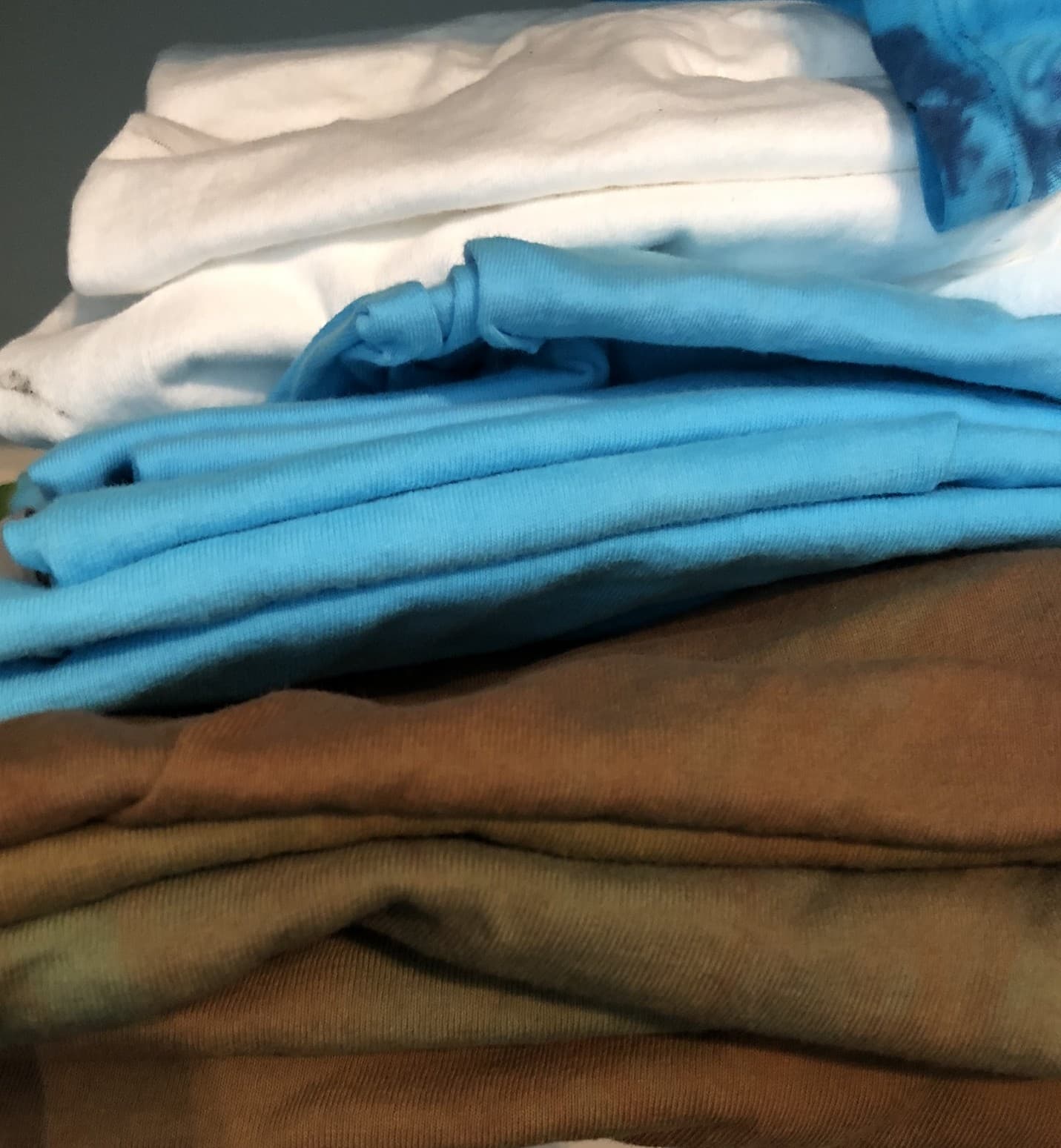
Farm rooted clothing · Est. 2005
The guides are free. The shop is the business.
Sun & Rain Works is a small apparel outfit in Eugene, Oregon, with agricultural roots and a slow path toward farming. The wartime garden bulletin you just read comes from the same place as the shirts.